

My kitchen, during Easter week, transforms into a haven of sweet aromas. I remember vividly, as a young boy, watching my Nonna meticulously braid dough, her hands dusted with flour, humming an old Italian tune. The smell of lemon zest and vanilla would fill every corner of our home, a scent that still instantly transports me back to those cherished moments.
That’s the magic of a `Traditional Italian Easter Bread Recipe`, or “Pane di Pasqua” as we call it – it’s more than just bread; it’s a symbol of spring, renewal, and family gathered around a table. For over two decades, I’ve been recreating that very magic in my own kitchen, guiding home cooks just like you to discover the joy of baking.
This `Traditional Italian Easter Bread Recipe` is a beautiful, slightly sweet, brioche-like loaf, often adorned with colorful eggs, making it the perfect centerpiece for your Easter celebration. Get ready to bake a delicious memory!
Why You’ll Love This Traditional Italian Easter Bread Recipe
You are about to discover a truly special treat with this `Traditional Italian Easter Bread Recipe`. First, its taste is simply unforgettable. Imagine a tender, rich, and slightly sweet bread, fragrant with lemon zest and a hint of vanilla or anise.
It offers a unique flavor profile that perfectly complements both sweet and savory dishes. Moreover, the texture is divine – incredibly soft and fluffy, making every bite a pure pleasure. This `Italian Easter bread` isn’t just about deliciousness; it’s also about creating a stunning visual centerpiece.
The braided dough, often cradling vibrantly colored hard-boiled eggs, makes for an eye-catching presentation that will impress your family and friends. It’s a true conversation starter!
Furthermore, making this `sweet Easter bread` provides a wonderful opportunity to connect with a beautiful culinary tradition. Baking bread from scratch can be a deeply rewarding experience, and this particular `Easter bread recipe` offers a chance to explore a cultural heritage. You will find the process engaging, and my step-by-step guidance makes it accessible for bakers of all skill levels.
Finally, this `Traditional Italian Easter Bread Recipe` is incredibly versatile. Enjoy it for breakfast with your morning coffee, as a delightful snack, or even as a light dessert. It makes an incredible gift, too! Prepare to fall in love with this cherished `Pane di Pasqua` and make it a new tradition in your home.
Ingredients You’ll Need
Gathering your ingredients is the first exciting step in making this wonderful `Traditional Italian Easter Bread Recipe`. Each component plays a crucial role in creating the signature flavor and texture. You will need good quality ingredients; they truly make a difference in the final product.
Always use fresh yeast for the best rise. The fresh lemon zest provides that authentic bright flavor, so don’t skip it! Make sure your eggs are at room temperature for better incorporation into the dough. This ensures a smoother, more consistent dough for your `Italian Easter bread`.
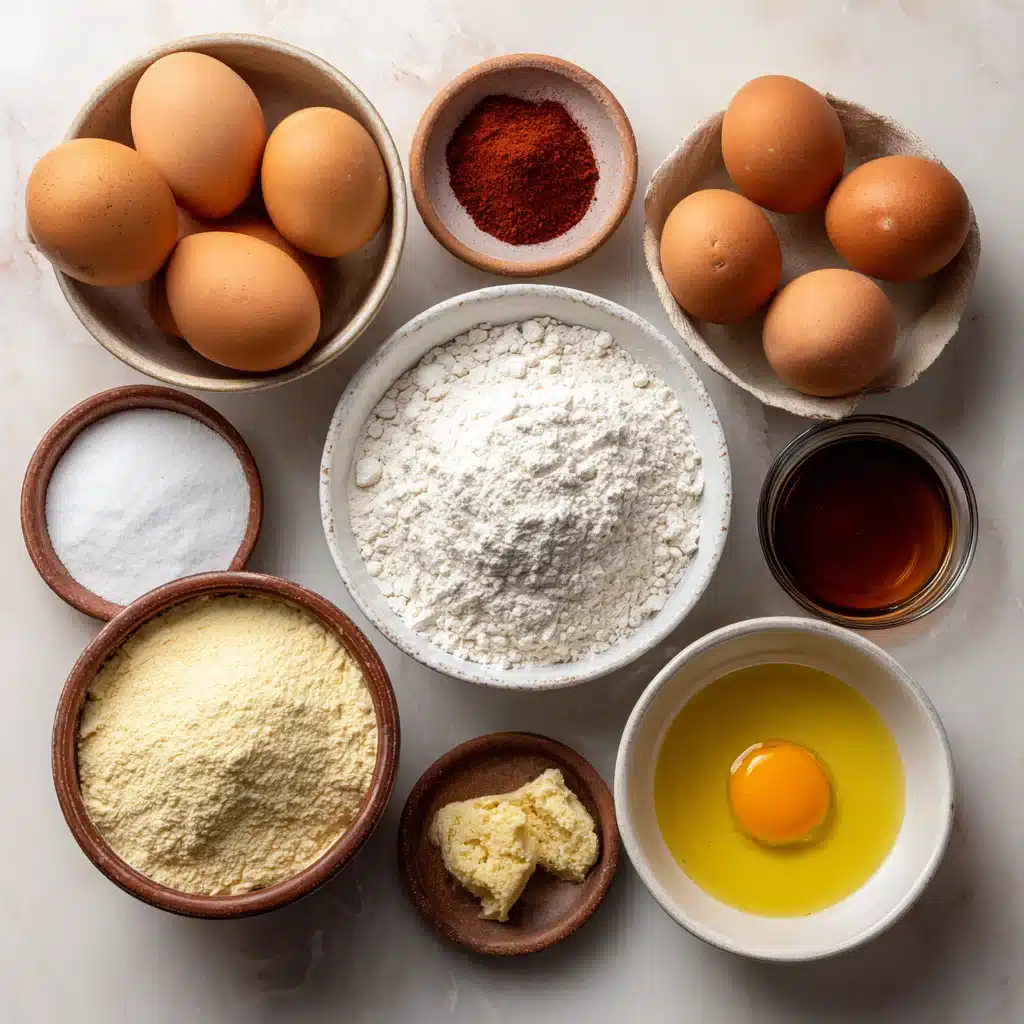
| Ingredient | Quantity | Notes |
|---|---|---|
| All-purpose flour | 4 ½ – 5 cups | Plus more for dusting; unbleached preferred |
| Granulated sugar | ¾ cup | For sweetness and yeast activation |
| Active dry yeast | 2 ¼ teaspoons (1 packet) | Ensure it’s fresh for a good rise |
| Warm milk | 1 cup | (105-115°F / 40-46°C) |
| Large eggs | 3 + 1 for egg wash | Room temperature is best for dough |
| Unsalted butter | ½ cup (1 stick) | Melted and cooled slightly |
| Lemon zest | 1 tablespoon | From 1 large lemon; don’t skip this! |
| Vanilla extract | 1 teaspoon | Or anise extract for a traditional twist |
| Salt | 1 teaspoon | Balances the sweetness |
| Hard-boiled eggs | 4-6 | Colored, for decoration (raw eggs are also traditional, but I find hard-boiled safer for handling and eating) |
| Sprinkles | Optional | Colorful nonpareils for topping |
Substitutions & Variations
One of the beautiful aspects of baking, especially with a beloved `Traditional Italian Easter Bread Recipe`, is the flexibility to make it your own. You can easily adapt this `sweet Easter bread` to suit your taste preferences or dietary needs.
For instance, if you prefer a different flavor profile, you can swap out the extracts. Instead of vanilla, try almond extract for a nutty depth, or orange extract to complement the lemon zest beautifully. Anise extract provides a very classic `Italian Easter bread` flavor, so consider that for an authentic touch. You can also experiment with the citrus zest; orange zest works wonderfully if you don’t have lemons on hand.
Regarding flour, while all-purpose flour works perfectly, you can use bread flour for an even chewier texture. Whole wheat pastry flour can replace a small portion (up to 1/4) of the all-purpose flour for added fiber, but it might slightly alter the texture.
Feel free to add dried fruits to the dough! Raisins, currants, or even finely diced candied orange peel make fantastic additions. Simply mix them in during the last few minutes of kneading. Chocolate chips or chunks also present a delightful variation, especially appealing to kids.
For the topping, beyond the colorful sprinkles, consider a simple glaze. Whisk together powdered sugar with a little milk or lemon juice until you reach a pourable consistency. Drizzle it over the cooled `Easter bread recipe` for an extra layer of sweetness and shine. You can also sprinkle coarse sugar or sliced almonds before baking for added texture.
If you don’t have hard-boiled eggs, you can absolutely bake the `Traditional Italian Easter Bread Recipe` without them. You can also replace the colored eggs with small marzipan fruits or chocolate eggs after baking for a different decorative touch. This `Pane di Pasqua` welcomes your creative spirit!
One of the beautiful aspects of baking, especially with a beloved Traditional Italian Easter Bread Recipe, is the flexibility to make it your own. To dive into a different flavor experience, check out the Simnel Cake for its classic layered goodness Simnel Cake (traditional layered fruit cake).
Step-by-Step Instructions
Embark on this culinary journey with me! Baking this `Traditional Italian Easter Bread Recipe` is a truly rewarding experience. Take your time, enjoy each step, and you’ll create a masterpiece.
Note: This video is for demonstration purposes and may use a slightly different method.

1. Activate the Yeast: In a large mixing bowl (or the bowl of your stand mixer), combine the warm milk, 1 teaspoon of sugar, and the active dry yeast. Give it a gentle stir.
Let this mixture sit for 5-10 minutes. You want to see it become foamy, which indicates your yeast is active and ready to work its magic for your `Italian Easter bread`.
2.Prepare the Dough Base: Once the yeast is foamy, add the remaining sugar, room temperature eggs, melted butter, lemon zest, vanilla extract, and salt to the bowl. Whisk everything together until thoroughly combined. This forms the flavorful liquid base for your `sweet Easter bread`.
3. Mix the Dough: Gradually add 4 cups of the all-purpose flour, one cup at a time, mixing on low speed with a dough hook (or with a sturdy spoon if kneading by hand). Once the flour is incorporated, continue adding the remaining flour, a little at a time, until the dough comes together and starts to pull away from the sides of the bowl.
The dough should be soft but not overly sticky. You might not need all 5 cups of flour.
4.Knead the Dough: Increase the mixer speed to medium-low and knead for about 8-10 minutes. If kneading by hand, turn the dough out onto a lightly floured surface and knead for 10-15 minutes. The dough should become smooth, elastic, and pass the windowpane test (stretch a small piece thinly enough to see light through it without tearing).
Proper kneading is crucial for a tender `Traditional Italian Easter Bread Recipe`.
5. First Rise: Lightly grease a large bowl with a little oil.
Place the kneaded dough into the bowl, turning it once to coat the top. Cover the bowl tightly with plastic wrap or a clean kitchen towel. Let the dough rise in a warm, draft-free place for 1.5 to 2 hours, or until it has doubled in size.
Patience is key for this `Easter bread recipe`’s perfect texture.
6. Shape the Bread: Gently punch down the risen dough to release the air.
Turn it out onto a lightly floured surface. Divide the dough into 4-6 equal portions, depending on how many eggs you want to use. Take each portion and divide it into two smaller pieces.
Roll each small piece into a rope, about 12-14 inches long. Twist two ropes together to form a braid. Form the braid into a circle or oval shape and pinch the ends together to seal.
Carefully place a colored hard-boiled egg in the center of each braided dough wreath. Repeat with the remaining dough and eggs. This decorative shaping is iconic for `Pane di Pasqua`.
7. Second Rise: Transfer the shaped dough wreaths to a baking sheet lined with parchment paper, leaving space between them. Cover them loosely with plastic wrap or a clean towel.
Let them rise again in a warm place for another 45-60 minutes, or until visibly puffy.
8. Prepare for Baking: Preheat your oven to 375°F (190°C).
In a small bowl, whisk the remaining egg with 1 tablespoon of water to create an egg wash. Gently brush the tops of the risen bread wreaths with the egg wash. This gives the `Traditional Italian Easter Bread Recipe` a beautiful golden shine.
If using, sprinkle with colorful nonpareils.
9. Bake: Bake for 20-25 minutes, or until the `Italian Easter bread` is golden brown and sounds hollow when tapped on the bottom.
If the tops brown too quickly, you can loosely tent them with aluminum foil.
10. Cool: Remove the `sweet Easter bread` from the oven and transfer them to a wire rack to cool completely. Resist the urge to cut into them immediately; cooling ensures the texture sets properly.
Pro Tips for Success
Baking a truly exceptional `Traditional Italian Easter Bread Recipe` involves a few tried-and-true techniques. As your kitchen guide, I want to share my favorite tips to ensure your success.
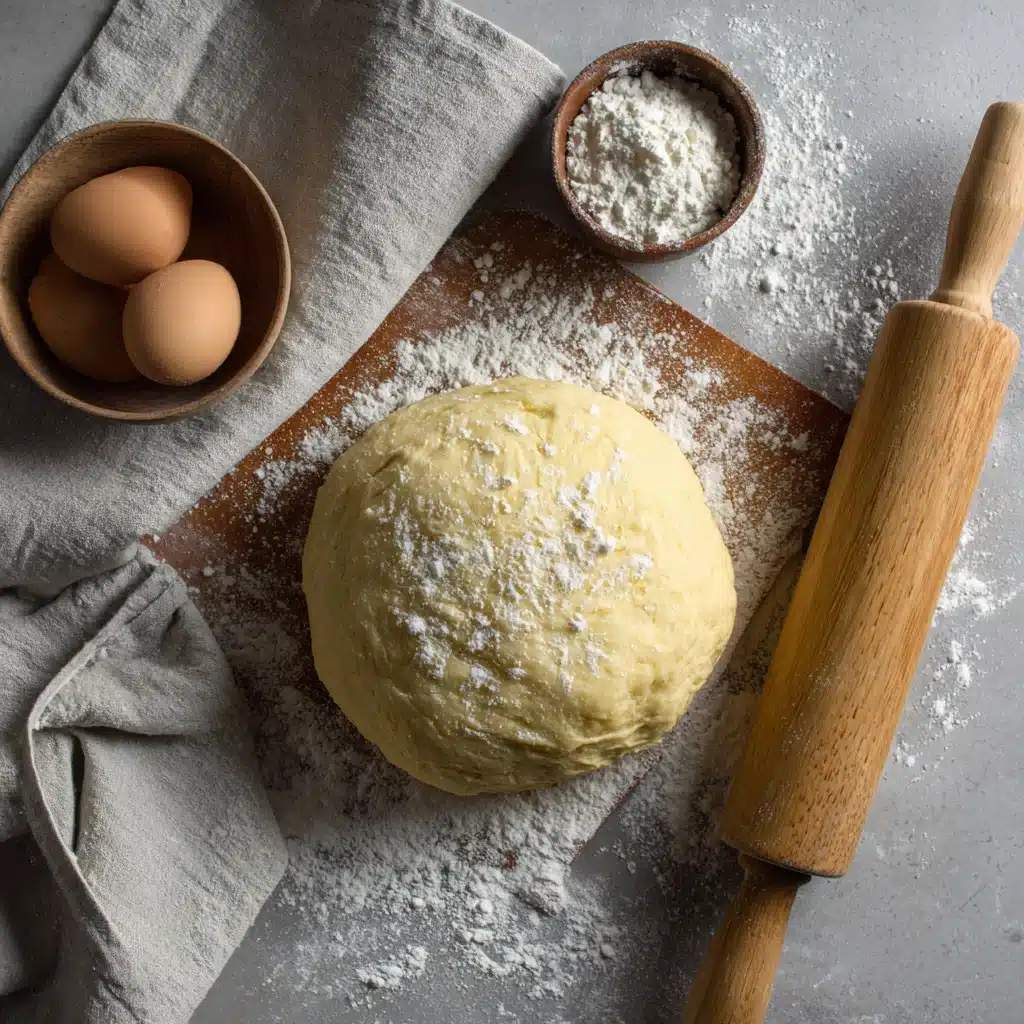
* Room Temperature Ingredients: Always bring your eggs and milk to room temperature before you start. This ensures that all ingredients blend smoothly and allows the yeast to activate and rise more effectively, leading to a lighter, fluffier `Italian Easter bread`.
* Don’t Rush the Rise: Patience is a virtue, especially in bread baking.
The rising times are approximate. Focus on the dough doubling in size, not just the clock. A warm, draft-free spot is ideal for rising.
You can even place the bowl in a slightly warmed (but turned off) oven or near a sunny window. Underrisen dough results in a dense `Easter bread recipe`.
* Kneading is Key: Proper kneading develops the gluten, which gives your `Traditional Italian Easter Bread Recipe` its characteristic chewy yet tender texture.
Don’t skimp on this step. If using a stand mixer, let it work. If kneading by hand, embrace the process!
The dough should feel smooth and elastic, not sticky, by the end.
* The Windowpane Test: This is a great indicator of perfectly kneaded dough. Tear off a small piece of dough and gently stretch it between your fingers.
If you can stretch it thin enough to see light through it without tearing, your gluten is well developed.
* Egg Wash for Shine: The egg wash isn’t just for color. It helps the `Pane di Pasqua` achieve that beautiful, glossy crust we all love.
Be gentle when brushing, so you don’t deflate your carefully risen dough.
* Preventing Over-browning: If your `sweet Easter bread` starts to get too dark on top before it’s fully cooked, simply tent it loosely with aluminum foil for the remainder of the baking time.
* Using Raw Eggs (Traditional Method): While I recommend hard-boiled eggs for ease and safety, the truly `Traditional Italian Easter Bread Recipe` sometimes features raw, dyed eggs.
If you opt for raw eggs, know they will cook along with the bread, resulting in a fully cooked yolk. Make sure to press them firmly into the dough so they don’t pop out during baking.
* Cool Completely: Always allow your `Italian Easter bread` to cool completely on a wire rack before slicing.
Cutting into warm bread can make it seem gummy and dense. Cooling allows the internal structure to set properly.
Baking a truly exceptional Traditional Italian Easter Bread Recipe involves a few tried-and-true techniques. To complement this sweet treat, consider mastering the Classic Glazed Ham or Roast Lamb for your Easter feast Classic Glazed Ham or Roast Lamb (traditional Easter mains).
Storage & Reheating Tips
You’ve put so much love into baking this `Traditional Italian Easter Bread Recipe`; now let’s ensure it stays fresh and delicious! Proper storage is crucial for preserving its wonderful texture and flavor.
Once your `Italian Easter bread` has completely cooled, you have a few options for storage. At room temperature, wrap the individual loaves tightly in plastic wrap, then place them in an airtight container or a large zip-top bag. Your `sweet Easter bread` will stay fresh and soft for 2-3 days this way. The key is to protect it from air, which can quickly dry it out.
For longer storage, the freezer is your best friend. You can freeze the entire `Traditional Italian Easter Bread Recipe` or slice it first for convenience. Wrap the whole loaf or individual slices very tightly in plastic wrap, then an additional layer of aluminum foil.
This double-layer protection prevents freezer burn. Store in the freezer for up to 3 months. When you’re ready to enjoy it, thaw the bread at room temperature. Sliced portions will thaw quickly, while a whole loaf may take several hours.
To reheat your `Easter bread recipe`, especially if it’s been frozen or if you want to refresh a day-old loaf, preheat your oven to 300°F (150°C). You can lightly tent the bread in foil to prevent drying, then warm it for 10-15 minutes, or until heated through.
Alternatively, individual slices can be gently warmed in a toaster oven or even a microwave for a very short burst (10-15 seconds per slice) if you’re in a hurry, though the oven method yields the best texture for this `Pane di Pasqua`. Never microwave for too long, as it can make the bread tough.
What to Serve With This Recipe
This `Traditional Italian Easter Bread Recipe` is incredibly versatile and pairs wonderfully with a variety of accompaniments. Its slightly sweet, brioche-like texture makes it suitable for many occasions, from breakfast to dessert.
For a delightful breakfast or brunch spread, serve slices of your `Italian Easter bread` with a generous smear of softened butter. You can also offer an array of fruit jams or marmalades, like strawberry, apricot, or fig, to complement its sweetness. A drizzle of local honey also makes a fantastic pairing. Don’t forget a pot of freshly brewed coffee, strong espresso, or a comforting cup of tea to complete the morning experience.
Thinking beyond breakfast? This `sweet Easter bread` also shines as part of an afternoon snack. Imagine it alongside a light cheese platter featuring mild cheeses like ricotta or mascarpone, perhaps with some fresh fruit. The slight sweetness of the bread beautifully balances the creamy notes of the cheese.
For a true celebration of spring, you can serve this `Traditional Italian Easter Bread Recipe` as a charming dessert. It’s lovely on its own, but you can elevate it further with a dollop of fresh whipped cream and a sprinkle of berries or a light fruit compote. Some people even enjoy dipping their `Pane di Pasqua` into a sweet wine like Vin Santo, a classic Italian pairing.
Ultimately, this `Easter bread recipe` holds its own beautifully. Its rich flavor and tender crumb make it a star without much fuss. Enjoy it simply, savoring every bite of this cherished tradition.
This Traditional Italian Easter Bread Recipe is incredibly versatile and pairs wonderfully with a variety of accompaniments. For a refreshing dessert option, you can serve it alongside a creamy No Bake Lemon Oreo Dessert No Bake Lemon Oreo Dessert.
FAQs
What makes Italian Easter bread traditional?
A `Traditional Italian Easter Bread Recipe` features a slightly sweet, brioche-like dough, often flavored with citrus zest (lemon or orange) and sometimes a hint of anise or vanilla. Its most distinctive characteristic is the inclusion of brightly colored hard-boiled eggs, either nestled into the braids or baked directly into the dough. These eggs symbolize rebirth and renewal, making this `sweet Easter bread` a beautiful representation of the Easter season.
The braided shape itself also holds symbolic meaning, often representing the Holy Trinity or unity. This `Pane di Pasqua` is a true cultural and culinary icon.
Can I make the dough ahead of time?
Absolutely! You can prepare the dough for your `Traditional Italian Easter Bread Recipe` ahead of time. After the first rise, gently punch down the dough, then place it in a lightly oiled bowl, cover it tightly with plastic wrap, and refrigerate it overnight (up to 24 hours).
The cold will slow down the yeast activity. The next day, simply take the dough out, let it come to room temperature for about 30-45 minutes, then proceed with shaping, the second rise, and baking as instructed. This makes preparing your `Italian Easter bread` much more convenient.
Why did my bread turn out dense?
Several factors can contribute to a dense `Traditional Italian Easter Bread Recipe`. Common culprits include old or inactive yeast, which won’t provide enough lift. Ensure your yeast is fresh and properly activated.
Another reason is not enough kneading; proper kneading develops gluten, essential for a light, airy texture. Conversely, over-kneading can also make bread tough. Finally, an insufficient rise time (either the first or second rise) can lead to a dense crumb.
Always let your dough double in size for both rises. Also, make sure not to add too much flour; a slightly sticky dough is often ideal.
How do I color the eggs for the bread?
Coloring the eggs for your `Traditional Italian Easter Bread Recipe` is simple and adds so much festive charm. You can use standard food coloring dyes (liquid or gel) mixed with warm water and a splash of white vinegar (about 1 tablespoon per cup of water) for each color. Submerge hard-boiled eggs in the dye bath for 5-10 minutes, or longer for more vibrant colors.
Alternatively, for a natural approach, you can use ingredients like onion skins for orange-brown, turmeric for yellow, red cabbage for blue, or beet juice for pink. Ensure the eggs are completely cool and dry before you place them into the dough.
Is this recipe suitable for beginners?
Yes, this `Traditional Italian Easter Bread Recipe` is definitely suitable for beginners! While bread baking might seem intimidating, I’ve broken down each step into clear, manageable instructions. The ingredients are common, and the techniques are straightforward.
With my detailed guidance and pro tips, you’ll feel confident through every stage. Embrace the process, don’t rush, and you’ll soon be enjoying your very own homemade `Italian Easter bread`. It’s a fantastic recipe to build your baking skills and share a delicious tradition.
Traditional Italian Easter Bread, known as ‘Pane di Pasqua’, is characterized by its rich flavors and is often braided with colorful eggs as a beautiful centerpiece for family gatherings. This recipe is a significant part of Italian culinary traditions, symbolizing spring and renewal, much like the themes found in many Easter celebrations Easter bread.
Nutrition Information (per serving)
Please note that this nutrition information for your `Traditional Italian Easter Bread Recipe` is an estimate. Actual values can vary significantly based on specific ingredients used, precise measurements, and serving sizes. This table provides a general guideline for one serving of this `sweet Easter bread`.
| Nutrient | Amount |
|---|---|
| Calories | 320 kcal |
| Total Fat | 12 g |
| Saturated Fat | 7 g |
| Cholesterol | 85 mg |
| Sodium | 220 mg |
| Total Carbohydrates | 45 g |
| Dietary Fiber | 2 g |
| Total Sugars | 15 g |
| Protein | 8 g |
Traditional Italian Easter Bread Recipe

A traditional Italian Easter bread recipe symbolizing spring and family gatherings, featuring a slightly sweet, brioche-like dough and vibrant decorations.
- Prep Time: 20 mins
- Cook Time: 25 mins
- Total Time: 2 hrs 10 mins
- Yield: 6 servings
- Category: Dessert
- Method: Baking
- Cuisine: Italian
- Diet: Vegetarian
Ingredients
4 ½ – 5 cups All-purpose flour
¾ cup Granulated sugar
2 ¼ teaspoons Active dry yeast
1 cup Warm milk
3 Large eggs
½ cup Unsalted butter
1 tablespoon Lemon zest
1 teaspoon Vanilla extract
1 teaspoon Salt
4-6 Hard-boiled eggs
Optional Sprinkles
Instructions
- Activate the yeast by mixing warm milk, 1 teaspoon sugar, and active dry yeast in a bowl and letting sit until foamy
- Prepare the dough base by whisking together the foamy yeast mixture, remaining sugar, eggs, melted butter, lemon zest, vanilla extract, and salt
- Gradually mix in the all-purpose flour until the dough comes together
- Knead the dough until smooth and elastic
- Let the dough rise in a warm place until doubled in size
- Shape the dough into braids, placing colored hard-boiled eggs in the center
- Let the braids rise again until puffy
- Brush with egg wash and bake until golden brow
- Cool on a wire rack before serving
Notes
Use room temperature ingredients for better incorporation.
Patience is key for proper rising.
Experiment with flavors by using different extracts.