
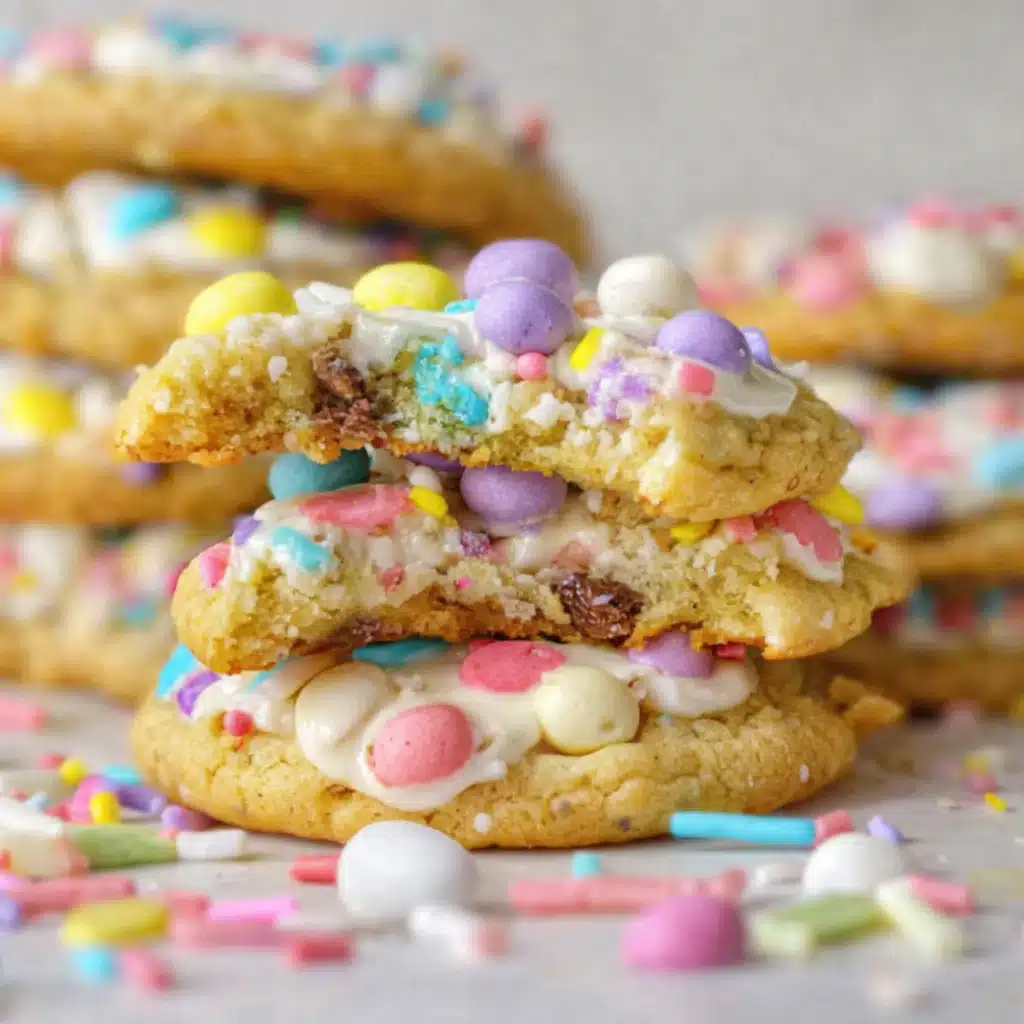
The scent of vanilla and warm butter instantly transports me back to my grandmother’s kitchen.
Every spring, as the days grew longer and the first crocuses peeked through the thawing earth, she would declare, “Zaki, it’s time for our Easter cookies!” This wasn’t just a recipe; it was a cherished ritual, a cornerstone of our family’s celebration. We’d gather around her worn wooden table, little hands eager to roll the dough and press out shapes – bunnies, chicks, and eggs, all destined to become the most beautiful Easter cookies imaginable.
The laughter, the flour dusting our aprons, the sheer joy of creating something delicious together – those are the memories I hold dear. Today, I’m thrilled to share a recipe for Easter cookies that captures that very same magic. These aren’t just any sugar cookies; they are the heart of spring, a sweet invitation to gather, create, and make your own unforgettable holiday memories. This recipe for delightful Easter cookies is tried, tested, and guaranteed to bring smiles.
Why You’ll Love These Delightful Easter Cookies
You will adore these homemade Easter cookies for countless reasons. First and foremost, they embody the spirit of spring and renewal. Their vibrant decorations and playful shapes immediately signal the festive season.
Furthermore, this recipe is incredibly versatile, allowing for endless creative expression. Whether you prefer pastel hues, intricate designs, or simple sprinkles, these Easter cookies provide the perfect canvas. Moreover, this recipe is perfect for involving the entire family.
Kids especially love rolling out the dough and decorating their own festive Easter cookies. Think of the precious moments you’ll create together, much like those I shared with my grandmother. Beyond the fun, the taste is simply divine.
These Easter cookies are tender, buttery, and perfectly sweet, making them an irresistible treat for any occasion, especially your Easter feast. They are a guaranteed crowd-pleaser and a lovely addition to any dessert table. Finally, mastering this recipe for Easter cookies gives you a fantastic foundation for future holiday baking.
Ingredients You’ll Need
Gathering your ingredients marks the first step towards creating these wonderful Easter cookies. Use good quality butter and fresh eggs for the best flavor. Always measure accurately; baking is a science, after all! Here’s what you will need for these perfect Easter cookies:
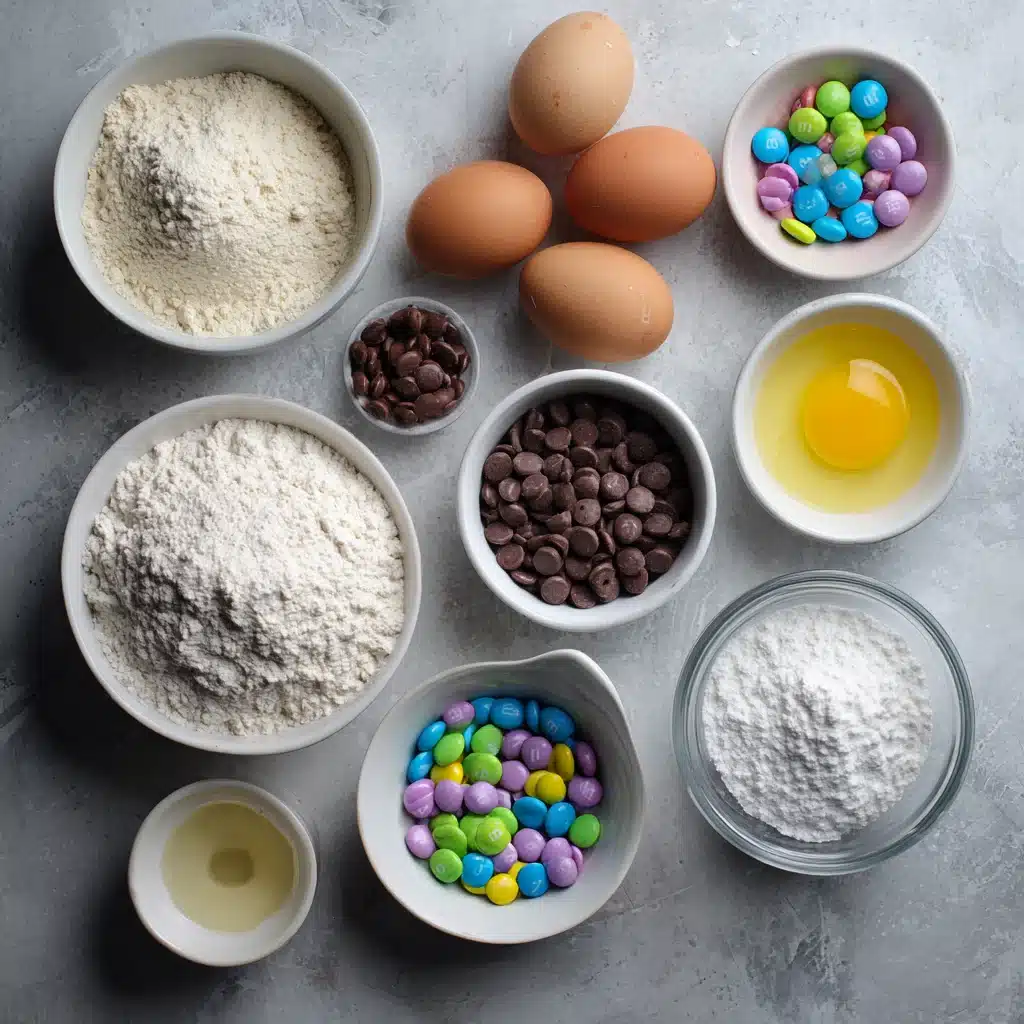
| Ingredient | Quantity |
|---|---|
| All-purpose flour | 3 cups |
| Baking powder | 1 teaspoon |
| Salt | 1/2 teaspoon |
| Unsalted butter, softened | 1 cup (2 sticks) |
| Granulated sugar | 1 cup |
| Large egg | 1 |
| Vanilla extract | 1 teaspoon |
| Almond extract (optional) | 1/2 teaspoon |
| Powdered sugar | 2 cups |
| Milk (any kind) | 2-3 tablespoons |
| Light corn syrup (optional, for shine) | 1 tablespoon |
| Food coloring (gel preferred) | Assorted colors |
| Sprinkles and edible glitter | For decoration |
Substitutions & Variations
Flexibility in the kitchen is key, and these Easter cookies are wonderfully adaptable! Do not hesitate to customize this recipe to suit your preferences or dietary needs.
* Gluten-Free Easter Cookies: Simply swap out the all-purpose flour for a 1:1 gluten-free baking flour blend. Ensure your blend contains xanthan gum, or add 1/2 teaspoon per cup of flour. The texture will be slightly different, but still delicious.
These gluten-free Easter cookies will still be a hit!
* Dairy-Free Option: Use a high-quality plant-based butter alternative and plant-based milk for the frosting. The rich flavor of these Easter cookies remains.
* Flavor Profiles: Experiment with extracts! Lemon zest or extract adds a bright, springy note. Consider orange extract for a citrusy twist.
A touch of coconut extract can also add a unique flavor to your Easter cookies.
* Natural Food Coloring: For a more natural approach, use fruit and vegetable powders. Spinach powder gives green, beet powder for pink, turmeric for yellow, and butterfly pea flower powder for blue.
Remember, the colors will be more subtle, but equally charming for your Easter cookies.
* Royal Icing: For a harder, more professional finish, switch to royal icing instead of the simple glaze. Royal icing offers more precision for intricate designs on your Easter cookies.
* Chocolate Easter Cookies: Add 1/2 cup of cocoa powder to the dry ingredients for chocolate Easter cookies. You might need an extra tablespoon or two of milk to maintain the dough’s consistency.
* Spice It Up: A pinch of nutmeg or cardamom can add a warm, complex layer to the flavor profile of these Easter cookies.
If you’re looking to customize your Easter baking, check out our Traditional Italian Easter Bread Recipe for a delicious twist that complements these cookies beautifully.
Step-by-Step Instructions
Making these Easter cookies is a truly enjoyable process. Follow these steps carefully, and you will achieve perfect results every time. Remember to have fun with it!
Note: This video is for demonstration purposes and may use a slightly different method.

1. Cream Butter and Sugar: In a large mixing bowl, cream together the softened butter and granulated sugar until light and fluffy. Use an electric mixer for the best results.
This incorporates air, which contributes to the tenderness of your Easter cookies.
2. Add Wet Ingredients: Beat in the egg, vanilla extract, and almond extract (if using) until well combined.
Scrape down the sides of the bowl to ensure everything mixes evenly.
3. Combine Dry Ingredients: In a separate bowl, whisk together the flour, baking powder, and salt.
This step ensures the leavening agents distribute evenly throughout the dough for consistent Easter cookies.
4. Gradually Add Dry to Wet: Slowly add the dry ingredients to the wet ingredients, mixing on low speed until just combined.
Do not overmix! Overmixing develops the gluten, making your Easter cookies tough.
5.Chill the Dough: Divide the dough into two equal portions. Flatten each portion into a disk, wrap tightly in plastic wrap, and refrigerate for at least 1 hour, or up to overnight. Chilling is crucial for easy handling and preventing your Easter cookies from spreading excessively.
6. Preheat Oven & Prep Baking Sheets: Preheat your oven to 375°F (190°C). Line baking sheets with parchment paper or silicone mats.
This prevents sticking and ensures even baking for your Easter cookies.
7. Roll and Cut: On a lightly floured surface, roll out one disk of chilled dough to about 1/4-inch thickness.
Use your favorite Easter-themed cookie cutters (bunnies, eggs, chicks, flowers) to cut out shapes. Place the cutouts about 1 inch apart on the prepared baking sheets. Reroll scraps as needed.
8. Bake: Bake for 8-10 minutes, or until the edges are lightly golden. Baking time will vary based on the size and thickness of your Easter cookies.
9. Cool: Let the cookies cool on the baking sheet for 2-3 minutes before transferring them to a wire rack to cool completely. Cooling completely is vital before frosting your Easter cookies.
10. Prepare the Glaze: While the cookies cool, prepare the glaze. In a bowl, whisk together the powdered sugar, milk, and light corn syrup (if using) until smooth.
Adjust milk as needed for desired consistency – thick for outlining, thinner for flooding your Easter cookies.
11. Color the Glaze: Divide the glaze into separate bowls and tint each with different food colors.
Use gel food coloring for vibrant hues for your Easter cookies.
12. Decorate: Once the Easter cookies are completely cool, unleash your creativity!
Pipe designs, flood areas, and add sprinkles or edible glitter. Allow the glaze to set completely before stacking or storing the Easter cookies. This can take several hours, or even overnight, depending on humidity.
Pro Tips for Success
Elevate your Easter cookies from good to absolutely phenomenal with these expert tips from my kitchen. These small details make a big difference.
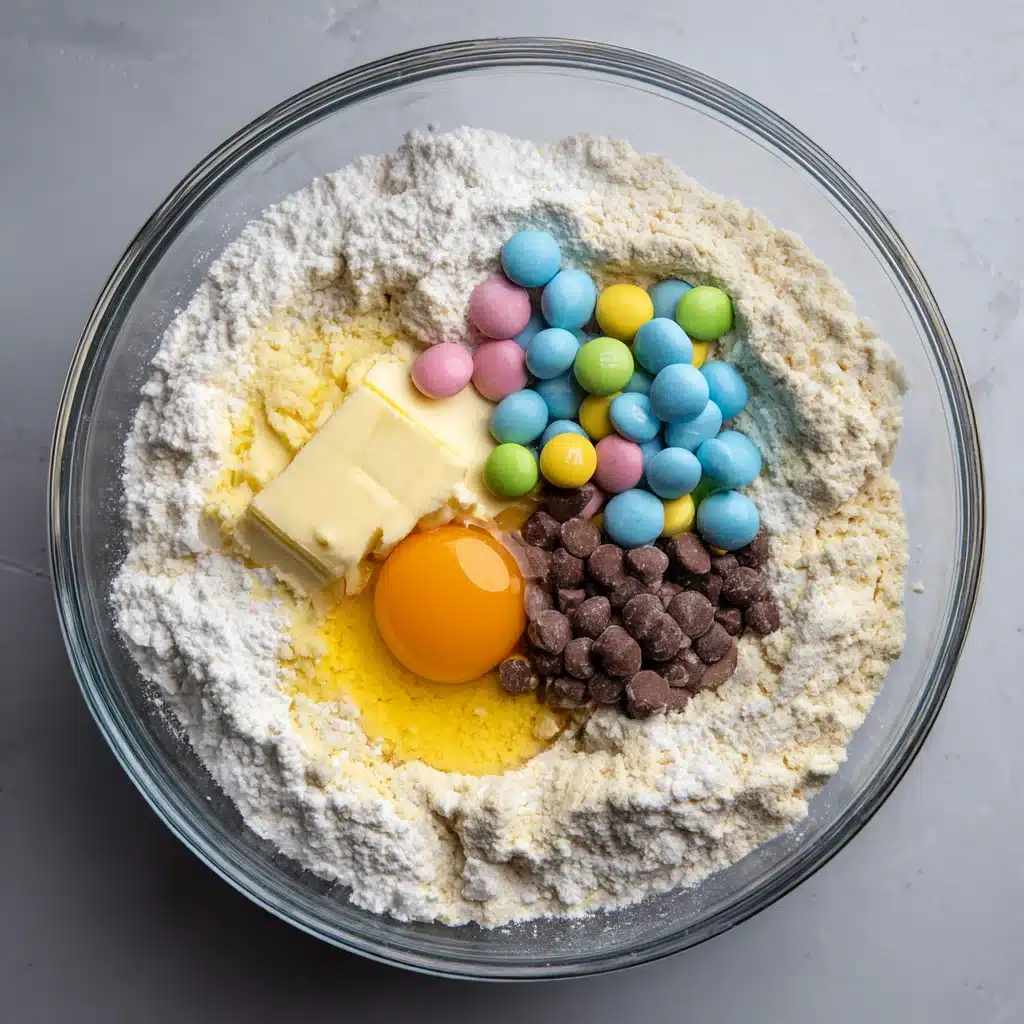
* Do Not Overmix: This is paramount for tender Easter cookies. Mix the dough only until the flour streaks disappear. Overmixing develops gluten, leading to tough cookies.
* Chill Thoroughly: Resist the urge to skip or shorten the chilling time. Cold dough spreads less, holds its shape better, and results in more defined Easter cookies.
* Flour Your Surface Lightly: Too much flour makes the dough dry and crumbly.
Too little, and it sticks. Aim for just enough to prevent sticking when rolling out your Easter cookies.
* Even Thickness: Roll your dough to a consistent 1/4-inch thickness.
This ensures all your Easter cookies bake evenly and have a uniform texture.
* Rotate Baking Sheets: If your oven heats unevenly, rotate your baking sheets halfway through the baking time. This promotes even browning and prevents some Easter cookies from burning while others remain undercooked.
* Cool Completely Before Decorating: Patience is a virtue here. Warm cookies will melt your frosting, ruining your beautiful designs. Ensure your Easter cookies are completely cool to the touch before you begin decorating.
* Use Gel Food Coloring: For vibrant, rich colors without thinning your frosting, opt for gel food coloring. A little goes a long way, giving your Easter cookies brilliant hues.
* Invest in Good Cutters: Sharp, sturdy cookie cutters make clean cuts and create well-defined shapes for your festive Easter cookies.
Enhance your cookie-making skills with the expert tips found in our Easter Egg Oreo Cookie Balls recipe, ensuring your cookies turn out tender and delightful.
Storage & Reheating Tips
Proper storage ensures your beautiful Easter cookies remain fresh and delicious for as long as possible.
* Room Temperature: Store undecorated Easter cookies in an airtight container at room temperature for up to 5-7 days. Once decorated with royal icing or a hard glaze, they also store well at room temperature in an airtight container for the same duration. For softer glazes, ensure the glaze has fully set before stacking or storing your Easter cookies.
* Refrigeration: While not strictly necessary for most sugar cookies, if your frosting contains perishable ingredients, you might need to refrigerate them. However, refrigeration can sometimes dry out the cookies. Bring them to room temperature before serving for the best texture.
* Freezing Dough: You can freeze the unbaked cookie dough for up to 3 months. Wrap the disks tightly in plastic wrap, then place them in a freezer-safe bag. Thaw in the refrigerator overnight before rolling and baking your Easter cookies.
* Freezing Baked (Undecorated) Cookies: Freeze baked, undecorated Easter cookies in an airtight container for up to 3 months. Place parchment paper between layers to prevent sticking. Thaw at room temperature before decorating.
* Freezing Decorated Cookies: For best results, freeze decorated Easter cookies on a baking sheet until the icing is completely solid (flash freeze). Then transfer them to an airtight container with parchment paper between layers. This helps preserve the decorations. Thaw at room temperature without opening the container, as condensation can damage the icing.
What to Serve With These Easter Cookies
These charming Easter cookies are delightful on their own, but they also pair wonderfully with a variety of beverages and other festive treats. Think of them as the perfect sweet ending or a lovely afternoon indulgence.
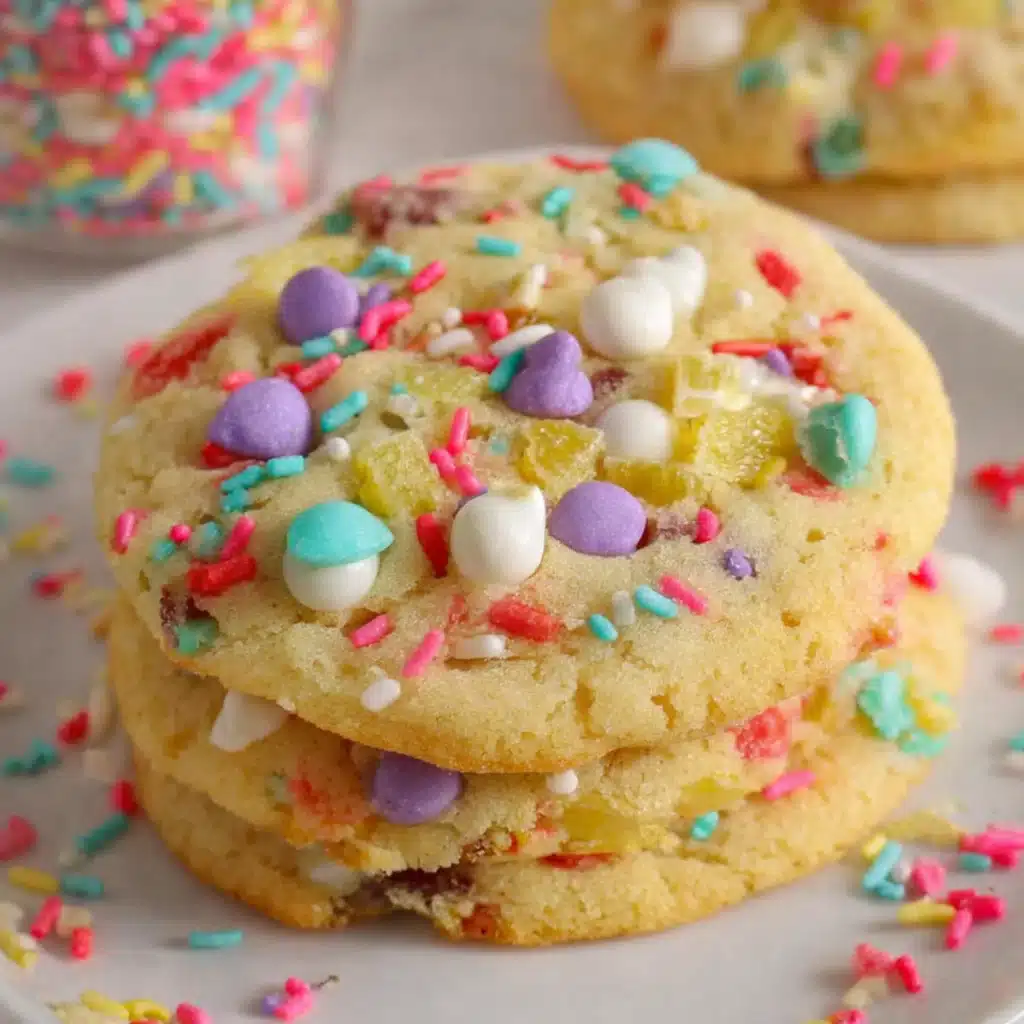
* Coffee or Tea: A warm cup of coffee, a soothing herbal tea, or a classic black tea creates a comforting pairing. The subtle sweetness of the Easter cookies complements the warmth of the beverage.
* Milk: For kids and adults alike, a cold glass of milk is the quintessential pairing for any cookie, and these Easter cookies are no exception.
* Hot Chocolate: If there’s still a chill in the air, a creamy hot chocolate makes a decadent accompaniment to your festive Easter cookies.
* After Easter Brunch: Serve these Easter cookies as part of your Easter brunch dessert spread. They add a festive touch and a satisfying sweet note after a savory meal.
* As Gifts: Package these beautiful Easter cookies in decorative bags or boxes and give them as homemade gifts to friends, family, or neighbors. A thoughtful gesture, handmade Easter cookies always bring joy.
* Dessert Platter: Arrange these colorful Easter cookies alongside other spring desserts like lemon bars, fruit tarts, or mini cheesecakes for an impressive dessert platter.
* Ice Cream: A scoop of vanilla bean ice cream or a light sorbet can be a refreshing partner for these buttery Easter cookies.
Pair your festive Easter cookies with our scrumptious Easter Dirt Cake Casserole, offering a lovely complement to your holiday celebrations.
FAQs
Here are answers to some common questions about making these delightful Easter cookies.
Can I make Easter cookies ahead of time?
Absolutely! You can prepare the cookie dough up to 3 days in advance and store it tightly wrapped in the refrigerator. You can also bake the cookies ahead of time (undecorated) and freeze them for up to 3 months.
Decorate them closer to your event. These make perfect make-ahead Easter cookies.
What makes these Easter cookies so special?
These Easter cookies stand out due to their tender, buttery texture and classic vanilla-almond flavor. More importantly, their appeal comes from the opportunity for creative, festive decoration, making them not just a treat, but also a beautiful centerpiece or a fun activity, embodying the spirit of Easter. Every batch of these Easter cookies feels like a celebration.
How do I prevent my Easter cookies from spreading too much?
Several factors contribute to cookie spreading. Ensure your butter is softened, not melted. Chill your dough for at least an hour (or longer!).
Roll the dough to an even 1/4-inch thickness. Also, make sure your oven temperature is accurate; an oven that isn’t hot enough can cause cookies to spread more. These tips will help maintain the shape of your Easter cookies.
Can I freeze decorated Easter cookies?
Yes, you can! Flash freeze the decorated Easter cookies on a baking sheet until the icing is completely firm. Then, transfer them to an airtight container with parchment paper between layers.
Thaw them at room temperature, keeping them covered, to prevent condensation from affecting the icing. This method preserves the beauty of your decorated Easter cookies.
Easter cookies are a traditional treat enjoyed during the festive season, often made with vibrant decorations and playful shapes. These sweet delights symbolize the celebration of spring and renewal, making them a favorite for families during the holiday.
Nutrition Information (per serving)
Please note that these are estimated values and can vary based on specific ingredient brands, exact measurements, and chosen variations. This information is provided for a single, undecorated Easter cookie (approximately 2 inches in diameter).
| Nutrient | Amount |
|---|---|
| Calories | 180 kcal |
| Total Fat | 9g |
| Saturated Fat | 5g |
| Cholesterol | 30mg |
| Sodium | 85mg |
| Total Carbohydrates | 24g |
| Dietary Fiber | 0g |
| Total Sugars | 15g |
| Protein | 2g |
Easter Cookies

These delightful Easter cookies are tender, buttery, and perfectly sweet. Perfect for family gatherings and holiday celebrations.
- Prep Time: 20 mins
- Cook Time: 10 mins
- Total Time: 30 mins
- Yield: 4 servings
- Category: Dessert
- Method: Baking
- Cuisine: American
- Diet: Gluten Free option available
Ingredients
3 cups All-purpose flour
1 teaspoon Baking powder
1/2 teaspoon Salt
1 cup Unsalted butter, softened
1 cup Granulated sugar
1 Large egg
1 teaspoon Vanilla extract
1/2 teaspoon Almond extract (optional)
2 cups Powdered sugar
2-3 tablespoons Milk (any kind)
1 tablespoon Light corn syrup (optional, for shine)
Assorted colors Food coloring (gel preferred)
Sprinkles and edible glitter (for decoration)
Instructions
- Cream together the softened butter and granulated sugar until light and fluffy
- Beat in the egg and both extracts until well combined
- In a separate bowl, whisk together the flour, baking powder, and salt
- Gradually add the dry ingredients to the wet ingredients, mixing until just combined
- Divide the dough into portions, wrap, and refrigerate for at least 1 hour
- Preheat your oven to 375°F (190°C) and prepare baking sheets
- Roll out the chilled dough to 1/4-inch thickness and cut into shapes
- Bake for 8-10 minutes until edges are lightly golde
- Let cookies cool before decorating with glaze made from powdered sugar and milk
- Tint glaze with food coloring, then decorate cookies as desired
Notes
For gluten-free cookies, substitute all-purpose flour with a gluten-free blend.
For a dairy-free option, use plant-based butter and milk.