
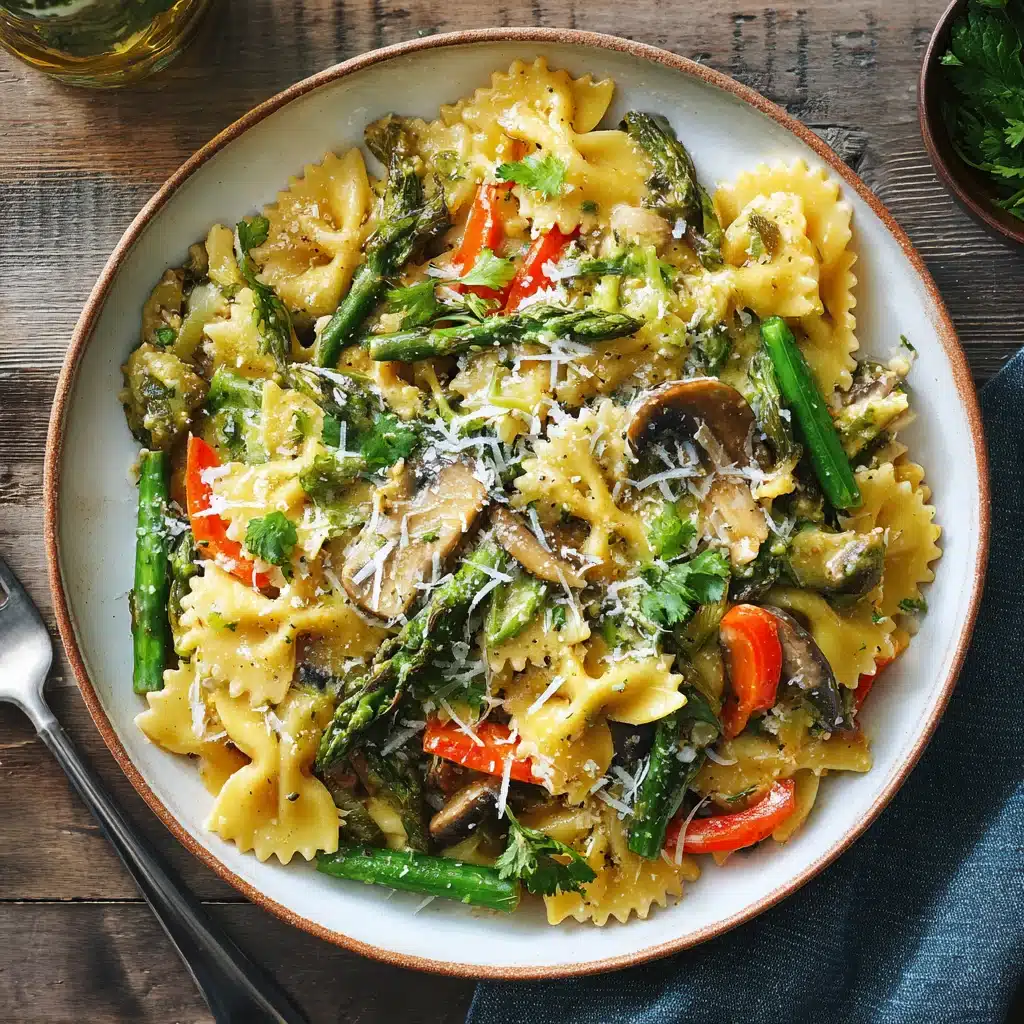
It all started one glorious spring morning, many years ago. The sun streamed through my kitchen window, painting the counter with golden light, and I had just returned from the farmer’s market, my basket overflowing with vibrant, dewy-fresh produce. Asparagus spears stood tall, peas burst from their pods, and tiny, sweet cherry tomatoes glowed like jewels.
I wanted to capture that fresh, optimistic feeling of spring in a single dish. That day, I experimented with pasta, a medley of sautéed vegetables, and a light, bright sauce. The result?
A revelation! My family instantly adored it, and thus, our beloved Spring Pasta Primavera was born. It became a cherished tradition, a vibrant celebration on a plate that signals the end of winter’s hearty fare and welcomes the season of renewal.
This isn’t just a recipe; it’s a memory, a feeling, and a true testament to the simple joy of fresh ingredients. Trust me, you are about to create a masterpiece that will sing on your palate and brighten your table. This Spring Pasta Primavera is truly special.
Why You’ll Love This Spring Pasta Primavera Recipe
You will quickly discover endless reasons to adore this incredible Spring Pasta Primavera. First, it bursts with flavor. Every forkful delivers the delicate sweetness of fresh spring vegetables, perfectly balanced with a light, herbaceous sauce.
This is not a heavy, cream-laden dish; instead, it offers a vibrant, refreshing taste that feels incredibly wholesome. Second, it is incredibly versatile. You can easily adapt the vegetables to whatever looks best at your local market, making it uniquely yours every time.
Third, preparation is surprisingly straightforward. Even if you consider yourself a novice in the kitchen, my detailed instructions ensure your success. Furthermore, this Spring Pasta Primavera makes a fantastic weeknight meal, yet it also impresses guests at a weekend gathering.
It is healthy, satisfying, and visually stunning. Truly, this is the ultimate way to savor the bounty of spring in one delicious bowl.
Ingredients You’ll Need
Gathering your ingredients for this Spring Pasta Primavera is half the fun! Always choose the freshest produce available; it makes all the difference in the final flavor.
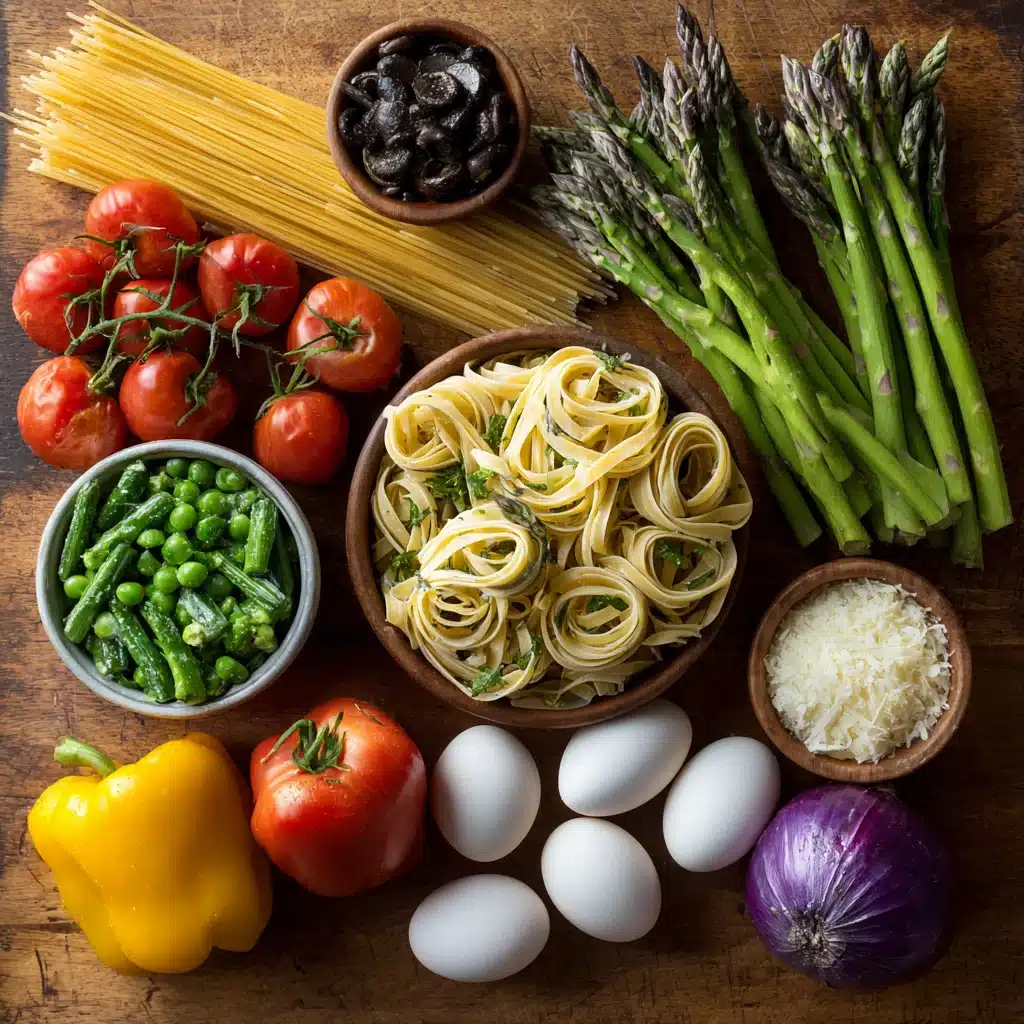
| Category | Ingredient | Quantity | Notes |
|---|---|---|---|
| Pasta | Short-cut pasta (e.g., penne, fusilli, farfalle) | 1 pound | Whole wheat or gluten-free options work well. |
| Vegetables | Asparagus spears | 1 bunch (about 1 pound) | Trim woody ends, cut into 1-inch pieces. |
| Frozen peas | 1 cup | No need to thaw. | |
| Cherry tomatoes | 1 pint | Halved or quartered. | |
| Zucchini or yellow squash | 1 medium | Cut into half-moon slices or small dice. | |
| Broccoli florets | 2 cups | Small, bite-sized florets. | |
| Garlic | 4 cloves | Minced. | |
| Shallot | 1 large | Finely diced. | |
| Sauce & Flavor | Olive oil | 1/4 cup + 2 tablespoons | Good quality extra virgin olive oil. |
| Dry white wine (e.g., Pinot Grigio, Sauvignon Blanc) | 1/2 cup | Optional, but adds depth. Or use vegetable broth. | |
| Lemon | 1 large | Juice and zest. | |
| Fresh basil | 1/2 cup | Chopped. | |
| Fresh parsley | 1/4 cup | Chopped. | |
| Parmesan cheese | 1/2 cup + more for serving | Freshly grated. | |
| Seasoning | Salt and freshly ground black pepper | To taste | Essential for balancing flavors. |
| Pasta Water | Reserved pasta water | 1 cup | Crucial for thickening the sauce. |
Substitutions & Variations
This Spring Pasta Primavera recipe truly welcomes creativity. Feel free to swap ingredients based on your preferences or what you have on hand. For example, if asparagus isn’t in season, use green beans instead.
Bell peppers, snap peas, spinach, or even thinly sliced radishes make excellent additions to the vegetable medley. If you prefer a richer flavor, a splash of heavy cream or a dollop of mascarpone cheese at the end works beautifully, though it will lighten the “spring” feel. For a heartier meal, consider adding cooked chicken breast, shrimp, or even some crumbled Italian sausage to your Spring Pasta Primavera.
Vegans can easily enjoy this dish by omitting the Parmesan cheese or substituting it with a plant-based alternative. You can also use nutritional yeast for a cheesy flavor. Gluten-free pasta works perfectly, ensuring everyone can enjoy this vibrant Spring Pasta Primavera.
Experiment with different herbs too! Fresh dill or oregano can offer an interesting twist to the classic basil and parsley.
This Spring Pasta Primavera recipe truly welcomes creativity. If you’re looking for a delightful spring dessert to enjoy after this vibrant meal, check out the Easter Dirt Cake Casserole Easy No Bake Spring Dessert.
Step-by-Step Instructions
Let’s bring this beautiful Spring Pasta Primavera to life! Follow these steps closely for a truly fantastic result.
Note: This video is for demonstration purposes and may use a slightly different method.
1. Prep Your Veggies: First, prepare all your vegetables. Trim the woody ends from the asparagus and cut them into 1-inch pieces.
Halve your cherry tomatoes. Cut your zucchini or yellow squash into bite-sized pieces. Break your broccoli into small florets.
Mince the garlic and finely dice the shallot. This mise en place makes cooking much smoother for your Spring Pasta Primavera.
2.Cook the Pasta: Next, bring a large pot of heavily salted water to a rolling boil. Add your chosen pasta and cook according to package directions until al dente. This means it should be tender but still have a slight bite.
Before draining, reserve about 1 to 1.5 cups of the starchy pasta cooking water. This magic liquid will bind and emulsify our sauce for the Spring Pasta Primavera. Drain the pasta and set it aside.
3. Sauté the Aromatics: Now, heat 2 tablespoons of olive oil in a large skillet or Dutch oven over medium heat. Add the diced shallot and cook until softened and translucent, about 3-4 minutes.
Stir in the minced garlic and cook for another minute until fragrant. Be careful not to burn the garlic; it can quickly turn bitter.
4.Add the Harder Vegetables: Increase the heat slightly to medium-high. Add the asparagus and broccoli florets to the skillet. Sauté for 3-5 minutes, stirring occasionally, until they start to become tender-crisp.
You want them to retain some bite for the best Spring Pasta Primavera.
5. Deglaze and Add Softer Veggies: Pour in the white wine (if using) or vegetable broth, scraping up any browned bits from the bottom of the pan.
Let it simmer for a minute to reduce slightly. Then, add the zucchini/yellow squash, cherry tomatoes, and frozen peas. Cook for another 2-3 minutes, just until the peas are thawed and the zucchini is tender but still firm.
6. Combine and Finish the Sauce: Reduce the heat to low. Add the cooked pasta directly into the skillet with the vegetables.
Pour in the remaining 1/4 cup of olive oil, the lemon juice, and the lemon zest. Add about 1/2 cup of the reserved pasta water. Toss everything vigorously to combine.
The pasta water, olive oil, and lemon juice will create a light, glossy sauce.
7. Stir in Cheese and Herbs: Gradually add the grated Parmesan cheese, stirring constantly, until it melts and creates a creamy consistency.
If the sauce seems too thick, add a little more pasta water, a tablespoon at a time, until you reach your desired consistency. Finally, stir in the fresh chopped basil and parsley.
8.Season and Serve: Taste your Spring Pasta Primavera and season generously with salt and freshly ground black pepper. Adjust any seasonings as needed. Serve immediately, garnished with extra Parmesan cheese and a sprig of fresh basil. This Spring Pasta Primavera is best enjoyed fresh!
Pro Tips for Success
Elevate your Spring Pasta Primavera with these expert tips!
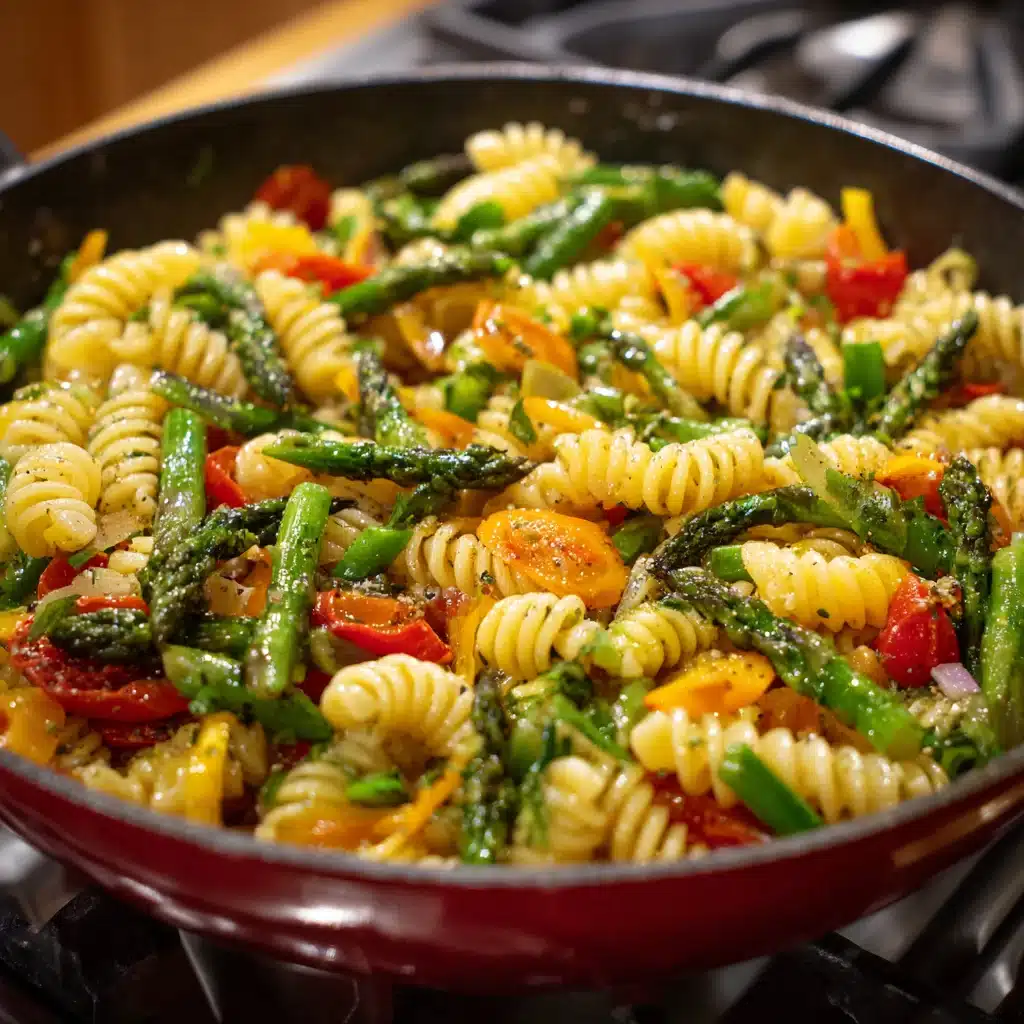
* Don’t Overcook Your Veggies: The essence of a great pasta primavera lies in its vibrant, slightly crisp vegetables. Cook them until they are tender-crisp, not mushy. This preserves their color, texture, and nutritional value.
Timing is everything for a perfect Spring Pasta Primavera.
* The Power of Pasta Water: Never skip reserving that starchy pasta water! It’s your secret weapon for creating a silky, emulsified sauce that clings beautifully to the pasta.
It helps bind the olive oil and lemon juice, giving your Spring Pasta Primavera a restaurant-quality finish.
* Freshness Matters: Since this dish highlights fresh produce, buy the best quality vegetables you can find. Local farmer’s markets are excellent sources for ingredients that will truly shine in your Spring Pasta Primavera.
* Taste and Adjust: Always taste your dish before serving. Adjust salt, pepper, and lemon juice as needed. Sometimes a little extra zest or a pinch more salt makes all the difference in bringing out the flavors of your Spring Pasta Primavera.
* Warm Your Serving Bowl: A simple trick to keep your pasta warmer longer is to warm your serving bowl with hot water for a few minutes before draining it and adding the pasta. This is especially good for any pasta dish, including our Spring Pasta Primavera.
* Embrace the Zest: Lemon zest provides a more intense lemony aroma and flavor than juice alone.
Always use freshly zested lemon for the best results in your Spring Pasta Primavera.
* Finish with Fresh Herbs: Add fresh herbs like basil and parsley at the very end. This preserves their bright flavor and beautiful color. Cooking them for too long diminishes their vibrancy in your Spring Pasta Primavera.
Elevate your Spring Pasta Primavera with these expert tips! To ensure a perfect texture and flavor, don’t forget the power of pasta water; for a sweet finish, consider making some Easter Birds Nest Cookies for dessert.
Storage & Reheating Tips
While Spring Pasta Primavera is undeniably best enjoyed fresh, you can certainly store and reheat leftovers successfully. First, allow any leftover Spring Pasta Primavera to cool completely to room temperature. Then, transfer it to an airtight container. Properly stored, it will keep well in the refrigerator for up to 3-4 days.
When you are ready to reheat your Spring Pasta Primavera, I recommend using a skillet on the stovetop. Add a splash of water or vegetable broth to the pan, then add the pasta. Heat it over medium-low heat, stirring gently, until it is thoroughly warmed through.
This method helps rehydrate the pasta and prevents it from drying out, which can sometimes happen in a microwave. If reheating in the microwave, cover the dish with a damp paper towel to help retain moisture and microwave in 1-minute intervals, stirring in between, until heated through.
You might find adding a fresh squeeze of lemon juice or a sprinkle of fresh herbs revitalizes the flavors of your leftover Spring Pasta Primavera. Freezing is not recommended for this dish, as the vegetables can become mushy upon thawing.
What to Serve With This Recipe
This Spring Pasta Primavera is a complete meal on its own, but a few simple additions can truly enhance the dining experience.
* Crusty Bread: A warm, crusty baguette or a slice of artisan sourdough is perfect for soaking up any remaining delicious sauce from your Spring Pasta Primavera. It provides a delightful textural contrast and makes the meal feel more substantial.
* Simple Green Salad: A light, refreshing green salad dressed with a simple vinaigrette complements the vibrant flavors of the Spring Pasta Primavera beautifully.
Think mixed greens, a few cucumber slices, and maybe some radish for crunch.
* Grilled Chicken or Fish: If you desire additional protein, a simply grilled chicken breast or a pan-seared salmon fillet pairs wonderfully. Their lean flavors do not overpower the delicate notes of the Spring Pasta Primavera.
* Garlic Bread: For a classic pairing, serve up some homemade garlic bread. Its savory, buttery goodness is always a hit alongside any pasta dish, including our delightful Spring Pasta Primavera.
* White Wine: A crisp, dry white wine like a Sauvignon Blanc, Pinot Grigio, or even a light Rosé makes an excellent beverage pairing.
Their acidity and fruit notes harmonize with the fresh vegetables in the Spring Pasta Primavera.
* Iced Tea or Sparkling Water: For a non-alcoholic option, a refreshing glass of unsweetened iced tea with lemon or sparkling water with a hint of mint provides a clean and crisp accompaniment to your Spring Pasta Primavera.
This Spring Pasta Primavera is a complete meal on its own, but a few simple additions can truly enhance the dining experience. To accompany your dish, a succulent Herb-crusted Leg of Lamb with Spring Veg could be the perfect pairing.
FAQs
Can I make this Spring Pasta Primavera gluten-free?
Absolutely! This Spring Pasta Primavera adapts beautifully to a gluten-free diet. Simply substitute regular pasta with your favorite brand of gluten-free pasta.
Follow the package directions for cooking time, as gluten-free pasta can sometimes cook a bit differently. All other ingredients in this vibrant Spring Pasta Primavera are naturally gluten-free.
What if I don’t have fresh herbs? Can I use dried?
Fresh herbs truly make a difference in this Spring Pasta Primavera because they contribute bright, lively flavors. However, if you absolutely must use dried, reduce the quantity significantly. As a general rule, use about one-third the amount of dried herbs compared to fresh.
So, for 1/2 cup of fresh basil, use about 1.5-2 tablespoons of dried basil. Add them earlier in the cooking process, when you sauté the vegetables, to allow their flavors to bloom. However, for the best Spring Pasta Primavera, I strongly encourage fresh!
Can I add cheese other than Parmesan to my Spring Pasta Primavera?
Of course! While Parmesan is traditional and provides a wonderful salty, nutty depth to this Spring Pasta Primavera, feel free to experiment. Pecorino Romano offers a sharper, saltier kick.
A milder provolone, grated and stirred in, could also work. For a creamy finish, a little goat cheese crumbled over the top just before serving adds a lovely tang. This Spring Pasta Primavera is quite flexible.
How can I make this Spring Pasta Primavera spicier?
To add a pleasant kick to your Spring Pasta Primavera, incorporate red pepper flakes. You can add them along with the garlic and shallots for a more infused heat, or sprinkle them over the finished dish for a more direct spice. Start with a small amount, like a quarter teaspoon, and adjust to your preference. A few dashes of your favorite hot sauce at the table also works wonders for this Spring Pasta Primavera.
Can I prepare any components of Spring Pasta Primavera ahead of time?
You can certainly get a head start on your Spring Pasta Primavera. Prepare all your vegetables by washing, trimming, and cutting them ahead of time. Store them in airtight containers in the refrigerator for up to a day or two.
You can also mince the garlic and dice the shallot in advance. However, I strongly recommend cooking the pasta and assembling the dish just before serving, as the fresh flavors and textures are paramount for this Spring Pasta Primavera.
Spring Pasta Primavera is a dish that celebrates the essence of spring, showcasing a medley of seasonal vegetables and pasta in a light sauce. Its vibrant colors and fresh flavors make it a popular choice during the spring season, often linked to the joyous spirit of renewal and growth reflected in springtime.
Nutrition Information (per serving)
Please note that these values are estimates and can vary based on specific brands, cooking methods, and portion sizes. This is calculated for a serving of approximately 1.5 cups of the finished Spring Pasta Primavera.
| Nutrient | Amount |
|---|---|
| Calories | 480 kcal |
| Total Fat | 18g |
| Saturated Fat | 4g |
| Cholesterol | 10mg |
| Sodium | 450mg |
| Total Carbohydrates | 65g |
| Dietary Fiber | 7g |
| Total Sugars | 5g |
| Protein | 18g |
| Vitamin A | 20% DV |
| Vitamin C | 60% DV |
| Calcium | 15% DV |
| Iron | 20% DV |
Spring Pasta Primavera
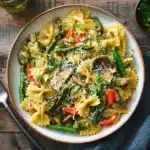
A vibrant and flavorful dish celebrating fresh spring vegetables, perfect for welcoming the season.
- Prep Time: 20 mins
- Cook Time: 10 mins
- Total Time: 30 mins
- Yield: 4 servings
- Category: Dinner
- Method: Sautéing
- Cuisine: Italian
- Diet: Vegetarian, Gluten Free (with substitution)
Ingredients
1 pound Short-cut pasta (e.g., penne, fusilli, farfalle)
1 bunch Asparagus spears
1 cup Frozen peas
1 pint Cherry tomatoes
1 medium Zucchini or yellow squash
2 cups Broccoli florets
4 cloves Garlic
1 large Shallot
1/4 cup + 2 tablespoons Olive oil
1/2 cup Dry white wine (optional)
1 large Lemo
1/2 cup Fresh basil
1/4 cup Fresh parsley
1/2 cup + more Parmesan cheese
Salt and freshly ground black pepper to taste
1 cup Reserved pasta water
Instructions
- Prep Your Veggies: Prepare all your vegetables: trim asparagus, halve cherry tomatoes, slice zucchini, and prepare broccoli, garlic, and shallot
- Cook the Pasta: Boil salted water, cook pasta until al dente, and reserve pasta water before draining
- Sauté the Aromatics: Heat olive oil, cook shallot until translucent, then add garlic until fragrant
- Add the Harder Vegetables: Sauté asparagus and broccoli until tender-crisp
- Deglaze and Add Softer Veggies: Add white wine/broth, then zucchini, cherry tomatoes, and peas
- Combine and Finish the Sauce: Add cooked pasta, olive oil, lemon juice, and reserved pasta water. Toss to combine
- Stir in Cheese and Herbs: Add Parmesan, adjusting with more pasta water to desired consistency, then stir in basil and parsley
- Season and Serve: Season with salt and pepper, garnish with more cheese and basil, and serve immediately
Notes
Don't overcook your vegetables to preserve their flavor and nutrients.
Reserve pasta water for sauce emulsification.
Use fresh, high-quality ingredients for the best flavor.