
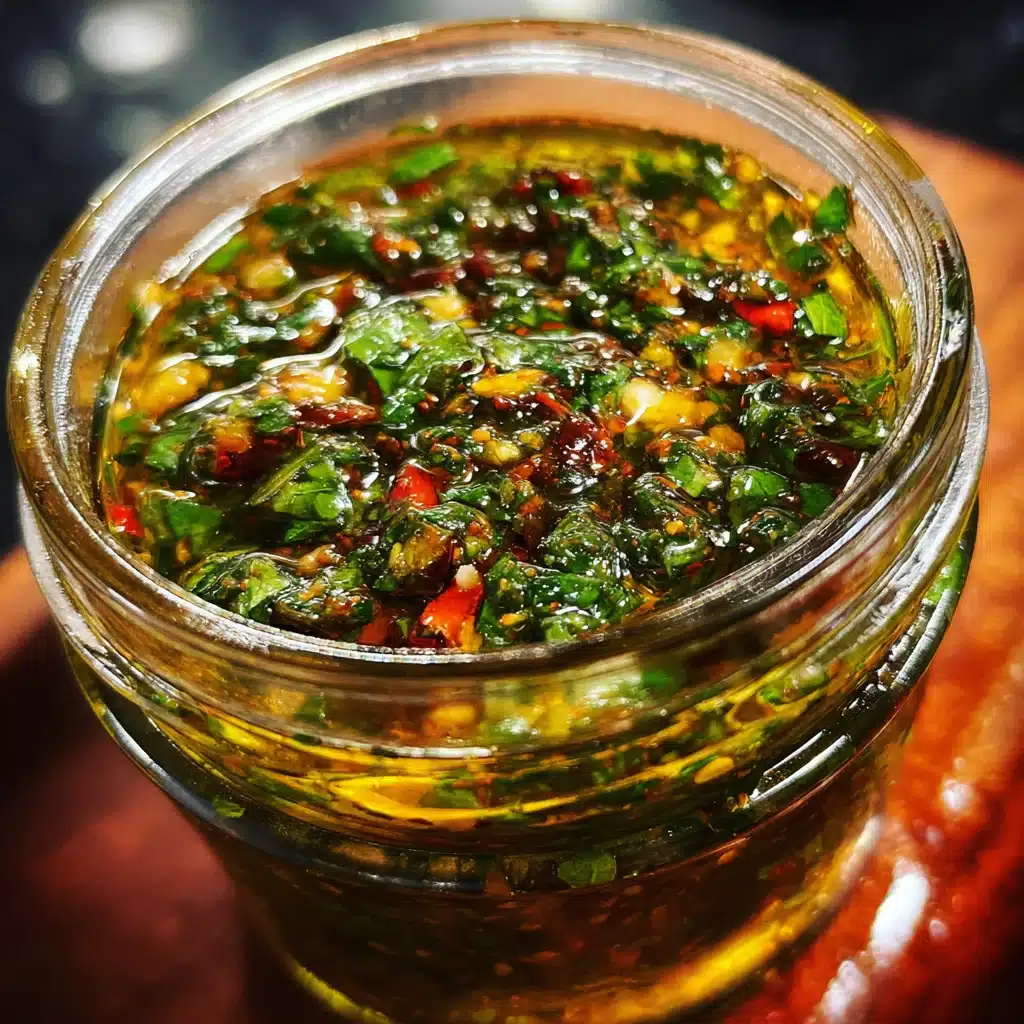
Ah, Chimichurri Sauce. Just saying the name transports me back to my first culinary adventure in Argentina. I was a young, eager cook, fresh out of culinary school, but nothing truly prepared me for the vibrant, explosive flavor of authentic Argentine Chimichurri.
I remember sitting at a bustling parrilla in Buenos Aires, a thick, juicy steak arriving, glistening on the plate. Beside it, a small ramekin of that magical green concoction. One taste, and my world shifted.
It wasn’t just a sauce; it was a revelation. A symphony of fresh herbs, garlic, and vinegar, cutting through the richness of the meat, leaving a bright, zesty finish. From that moment, I became obsessed.
I spent days, weeks even, trying to recreate that exact flavor profile, that perfect balance, asking local cooks for their secrets, experimenting in my tiny kitchen. Over two decades later, this homemade Chimichurri Sauce recipe is the culmination of that journey. It’s not just a recipe; it’s a taste of Argentina, a dollop of pure joy that transforms any dish it touches. Get ready to experience the vibrant magic of the best Chimichurri Sauce you’ll ever make!
Why You’ll Love This Chimichurri Sauce Recipe
This Chimichurri Sauce recipe isn’t just another condiment; it’s a flavor powerhouse. You’ll absolutely adore how this fresh Chimichurri Sauce elevates your meals from good to unforgettable. First, it’s incredibly versatile.
While it’s famously paired with grilled meats, this vibrant green sauce works wonders on vegetables, seafood, eggs, or even as a sandwich spread. Second, its fresh, bright flavor profile truly awakens the palate. The combination of pungent garlic, tangy vinegar, and an abundance of fresh herbs creates a harmony that is both bold and refreshing.
Third, making your own Chimichurri Sauce is surprisingly simple. You need only a handful of ingredients and minimal prep time. Forget those bland store-bought versions; once you taste homemade, fresh Chimichurri Sauce, there’s no turning back.
This recipe delivers an authentic taste of South America directly to your kitchen. The incredible aroma alone, as you chop those fresh herbs, will have you hooked. Moreover, it’s a naturally gluten-free and dairy-free option, making it suitable for many dietary preferences. Experience the difference a truly fantastic Chimichurri Sauce makes!
Ingredients You’ll Need
Creating this authentic Chimichurri Sauce requires a commitment to fresh, quality ingredients. Each component plays a crucial role in developing that signature bold and bright flavor. Gather these items, and you’re well on your way to a truly remarkable Chimichurri Sauce.
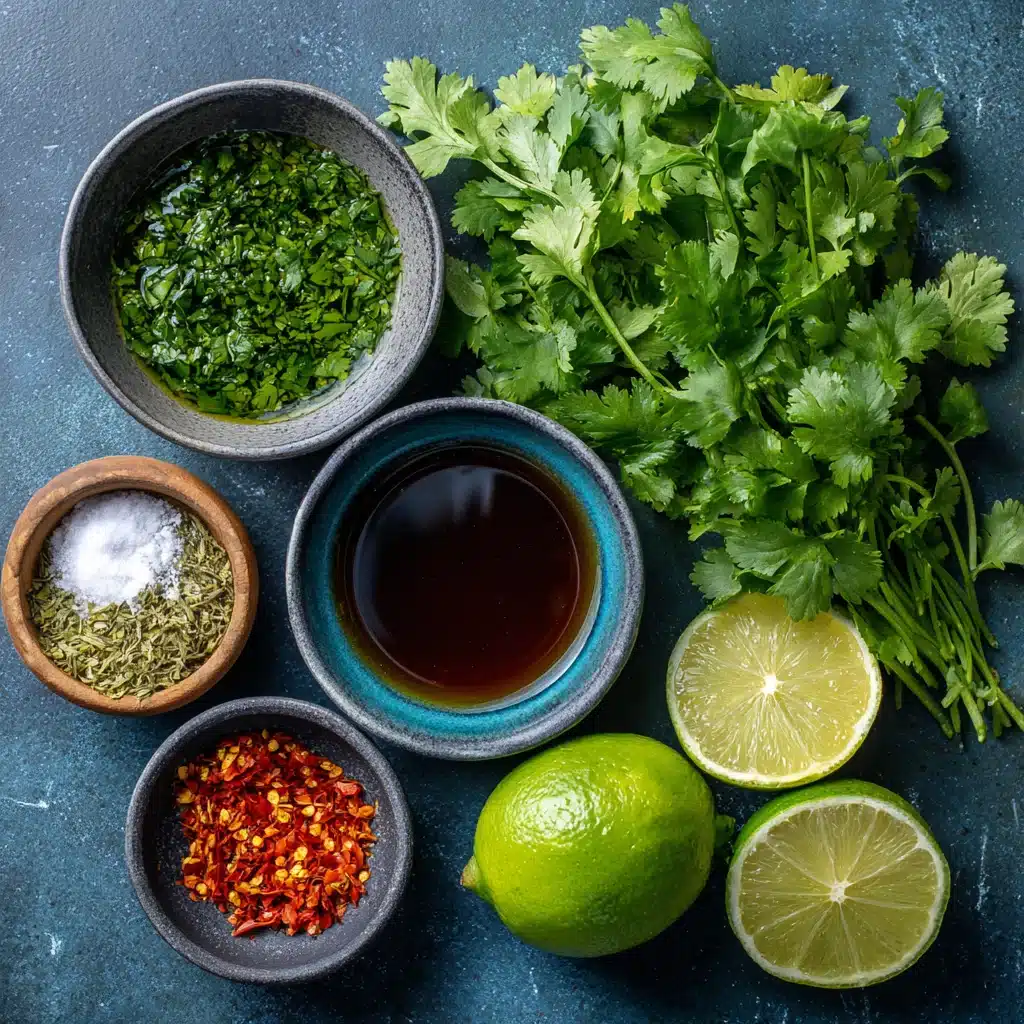
| Ingredient | Quantity | Notes |
|---|---|---|
| Fresh Flat-Leaf Parsley | 1 cup (tightly packed, finely chopped) | The backbone of classic Chimichurri Sauce; use flat-leaf for best flavor. |
| Fresh Oregano Leaves | 2 tablespoons (finely chopped) | Adds an earthy depth; avoid dried oregano here. |
| Garlic Cloves | 4-6 (minced) | The pungent heart of any good Chimichurri Sauce. Adjust to your taste. |
| Red Wine Vinegar | 1/4 cup | Provides the essential tangy acidity. |
| Extra Virgin Olive Oil | 1/2 cup | Choose a good quality oil for a smooth, rich base. |
| Red Pepper Flakes | 1 teaspoon (or to taste) | Gives a gentle warmth and kick to your Chimichurri Sauce. |
| Fine Sea Salt | 1/2 teaspoon (or to taste) | Essential for seasoning and bringing out flavors. |
| Freshly Ground Black Pepper | 1/4 teaspoon (or to taste) | Adds a subtle spice and aroma. |
Substitutions & Variations
While the classic Chimichurri Sauce recipe is perfect as is, you can certainly adapt it to your taste or what you have on hand. These variations can introduce new dimensions to your homemade Chimichurri Sauce.
- Herb Swaps: Not a fan of oregano, or out of fresh parsley? You can experiment with other fresh herbs. Try adding a tablespoon of fresh cilantro for a more vibrant, citrusy note, or a touch of fresh mint for a refreshing twist. Just remember, parsley is foundational to authentic Chimichurri Sauce, so keep it as the primary herb.
- Vinegar Alternatives: Red wine vinegar offers the quintessential tang for Chimichurri Sauce. However, white wine vinegar can work in a pinch for a slightly milder acidity. For a softer, less assertive tang, you could even try lemon juice, though this will alter the traditional flavor profile slightly.
- Spice Levels: Adjust the red pepper flakes to your preference. For a milder Chimichurri Sauce, reduce them or omit them entirely. For an extra kick, add a pinch more, or even a tiny bit of finely minced fresh jalapeño or serrano pepper for a fresh heat.
- Garlic Intensity: If raw garlic is too strong, you can lightly blanch the minced garlic for 30 seconds in boiling water before adding it to your Chimichurri Sauce. This mellows its pungency without losing its flavor. Alternatively, for a truly pungent Chimichurri Sauce, you might add an extra clove or two.
- Citrus Boost: A squeeze of fresh lime juice or lemon juice (about 1 teaspoon) at the end can brighten the Chimichurri Sauce even further, adding another layer of complexity.
- Smoky Chimichurri: Add a pinch of smoked paprika for a subtle smoky undertone, perfect for pairing with grilled meats.
While the classic Chimichurri Sauce recipe is perfect as is, you can certainly adapt it to your taste or what you have on hand. For more ways to customize your recipes, check out the delightful “Marry Me Chicken” which pairs wonderfully with this sauce.
Step-by-Step Instructions
Making your own fresh Chimichurri Sauce is a straightforward process, promising incredible rewards. Follow these steps for a perfect, vibrant batch every time. Remember, the key to great Chimichurri Sauce is fresh ingredients and precise chopping!
Note: This video is for demonstration purposes and may use a slightly different method.
- Prepare the Herbs: First, wash your fresh flat-leaf parsley and oregano thoroughly. Pat them completely dry with paper towels. Excess moisture can dilute your Chimichurri Sauce. Remove any thick stems from the parsley. Finely chop both the parsley and oregano. You want a very fine chop, almost a mince, but not a paste. Place the chopped herbs into a medium-sized mixing bowl.
- Mince the Garlic: Peel and finely mince the garlic cloves. You can use a garlic press for convenience, but chopping by hand ensures a better texture for your Chimichurri Sauce. Add the minced garlic to the bowl with the herbs.
- Combine Dry Ingredients: To the bowl, add the red pepper flakes, fine sea salt, and freshly ground black pepper. Give everything a quick stir with a spoon to ensure even distribution of the spices in your burgeoning Chimichurri Sauce.
- Add Liquids: Pour in the red wine vinegar. Stir well to combine all the ingredients. The vinegar will start to awaken the flavors of the herbs and garlic.
- Introduce the Olive Oil: Gradually drizzle in the extra virgin olive oil while stirring continuously. This slow addition helps emulsify the Chimichurri Sauce slightly, creating a harmonious blend. Continue stirring until all the oil is incorporated and the sauce looks well-combined and vibrant green.
- Taste and Adjust: This is a crucial step for perfecting your Chimichurri Sauce. Taste a small spoonful. Does it need more salt? A touch more vinegar for tang? Perhaps a bit more spice? Adjust according to your preference. Remember, the flavors will meld and deepen as it rests.
- Rest the Chimichurri Sauce: Cover the bowl and let the Chimichurri Sauce sit at room temperature for at least 30 minutes before serving. An hour is even better. This resting period allows the flavors to truly marry and intensify, giving you the most delicious Chimichurri Sauce possible.
Pro Tips for Success
Achieving truly outstanding Chimichurri Sauce involves a few insider tricks that I’ve learned over my two decades in the kitchen. These simple tips will elevate your homemade Chimichurri Sauce from good to absolutely sensational.
- The Chop Matters: Avoid using a food processor for your Chimichurri Sauce if possible. While convenient, it tends to bruise the herbs and can result in a pasty texture instead of the finely chopped, slightly rustic consistency you want. Hand-chopping ensures vibrant color and better texture. If you must use a processor, pulse briefly and sparingly.
- Quality Ingredients are Key: This is especially true for the olive oil and fresh herbs. Use a good quality extra virgin olive oil; its flavor truly shines in the Chimichurri Sauce. Fresh, vibrant parsley and oregano will yield a much more aromatic and flavorful result than tired, wilted herbs.
- Let it Mingle: Patience is a virtue, especially with Chimichurri Sauce. Allowing it to rest for at least 30 minutes, or even an hour, at room temperature lets all the incredible flavors meld and deepen. This waiting period is essential for the garlic and herbs to infuse the oil and vinegar properly.
- Taste, Taste, Taste: Your palate is your best guide. Always taste your Chimichurri Sauce before serving and adjust the seasoning. It might need a pinch more salt, a splash more vinegar, or an extra dash of red pepper flakes to reach your perfect balance.
- Don’t Over-Emulsify: Unlike pesto, Chimichurri Sauce isn’t meant to be a thick emulsion. It should be a loose, pourable sauce where you can still see the distinct pieces of herbs. Stirring, not blending, is the method here.
- Freshness First: Make sure your garlic is fresh and aromatic. Old garlic can impart a bitter taste to your Chimichurri Sauce.
Achieving truly outstanding Chimichurri Sauce involves some insider tricks that I’ve learned over my two decades in the kitchen. For a refreshing and nutritious dish to complement your experience, try the Chilled Overnight Chia Pudding that makes a perfect light side.
Storage & Reheating Tips
Once you’ve made a batch of this fantastic Chimichurri Sauce, you’ll want to ensure it stays fresh and flavorful. Proper storage is key to enjoying your Chimichurri Sauce for days to come.
- Refrigeration: Transfer your homemade Chimichurri Sauce to an airtight container. Store it in the refrigerator for up to 5-7 days. The flavors will continue to develop, but the vibrant green color might slightly darken over time due to oxidation of the herbs.
- Oil Layer: To help prevent oxidation and keep the Chimichurri Sauce fresh, you can pour a thin layer of extra virgin olive oil over the surface before sealing the container. This creates a barrier against air.
- Freezing: Chimichurri Sauce freezes beautifully! Portion it into ice cube trays, freeze until solid, then transfer the cubes to a freezer-safe bag or container. It will keep for up to 3 months. This is a great way to always have this versatile Chimichurri Sauce on hand.
- Thawing: When ready to use, simply thaw the frozen Chimichurri Sauce cubes in the refrigerator overnight or at room temperature for a few hours. Stir well before serving, and you might need to add a fresh drizzle of olive oil to bring it back to life.
- Bringing to Room Temperature: For the best flavor and consistency, always bring your refrigerated Chimichurri Sauce to room temperature for about 15-30 minutes before serving. This allows the olive oil to loosen and the flavors to fully bloom.
What to Serve With This Recipe
The beauty of Chimichurri Sauce lies in its incredible versatility. It’s a true flavor enhancer that pairs exceptionally well with a wide array of dishes, not just grilled meat. Unleash the power of this vibrant Chimichurri Sauce!
- Grilled Meats: This is the classic pairing! Slather your steaks (flank, skirt, ribeye), chicken, pork chops, or lamb with generous amounts of Chimichurri Sauce. It provides a bright, acidic counterpoint to rich, savory meats.
- Roasted Vegetables: Drizzle Chimichurri Sauce over roasted potatoes, asparagus, broccoli, carrots, or bell peppers. It transforms simple vegetables into something extraordinary.
- Seafood: Light, flaky fish like cod or halibut, grilled shrimp, or even seared scallops get a fantastic boost from the fresh, zesty flavors of Chimichurri Sauce.
- Eggs: Brighten up your breakfast or brunch! A spoonful of Chimichurri Sauce over scrambled eggs, fried eggs, or an omelet adds an unexpected layer of flavor.
- Sandwiches & Wraps: Use it as a vibrant spread in sandwiches, wraps, or even on a juicy burger. It adds a fresh pop that regular condiments just can’t match.
- Marinade: Beyond being a finishing sauce, Chimichurri Sauce also makes a spectacular marinade for chicken, pork, or even firm tofu before grilling.
- Bread Dip: Serve your Chimichurri Sauce in a small bowl with crusty bread for a delightful appetizer.
- Pasta Dishes: Toss it with hot pasta, a little extra olive oil, and some Parmesan cheese for a quick, flavorful meal.
- Salads: Thin it out slightly with a bit more olive oil and vinegar for a vibrant, herbaceous salad dressing.
The beauty of Chimichurri Sauce lies in its incredible versatility. To see how well this sauce pairs with hearty meals, explore the flavorful Shepherd’s Pie, a dish that can truly showcase the vibrant notes of Chimichurri.
FAQs
What is Chimichurri Sauce?
Chimichurri Sauce is a vibrant, uncooked sauce used as a condiment for grilled meat, originating from Argentina and Uruguay. It’s typically made from finely chopped fresh parsley, minced garlic, olive oil, red wine vinegar, and red pepper flakes. This herbaceous, tangy, and slightly spicy sauce adds a burst of freshness to any dish, particularly rich cuts of meat. My homemade Chimichurri Sauce recipe aims for that authentic, bright flavor.
Is Chimichurri Sauce spicy?
Traditionally, Chimichurri Sauce has a mild to moderate kick from red pepper flakes. The amount of spice is easily adjustable to your preference. My recipe calls for 1 teaspoon, which gives a pleasant warmth without being overly spicy. You can increase or decrease the red pepper flakes to make your Chimichurri Sauce as fiery or as mellow as you like.
Can I make Chimichurri Sauce ahead of time?
Absolutely! Making Chimichurri Sauce ahead of time is actually recommended. The flavors meld and deepen as it rests, making it even more delicious.
Prepare it at least 30 minutes to an hour before serving, or even a day in advance. Store your Chimichurri Sauce in an airtight container in the refrigerator for up to 5-7 days.
What type of parsley should I use for Chimichurri Sauce?
For authentic Chimichurri Sauce, always use fresh flat-leaf parsley (also known as Italian parsley). It has a more robust, earthy flavor compared to curly parsley, which can sometimes be a bit bitter and lacks the same aromatic qualities crucial for a great Chimichurri Sauce. The texture of flat-leaf also chops better for this sauce.
Can I use dried herbs instead of fresh?
While some recipes might call for a tiny amount of dried oregano, for the best and most authentic Chimichurri Sauce, fresh herbs are non-negotiable. Dried herbs have a different flavor profile and texture that simply won’t yield the same vibrant, fresh result as using fresh parsley and oregano. They are the heart of a truly great Chimichurri Sauce.
Why is my Chimichurri Sauce bitter?
Several factors can lead to bitter Chimichurri Sauce. Over-processing in a food processor can bruise herbs and release bitter compounds. Using old or poor-quality olive oil can also contribute bitterness.
Finally, using old garlic or too much garlic relative to other ingredients can sometimes make your Chimichurri Sauce taste overly pungent or bitter. Ensure your ingredients are fresh and avoid over-blending for the best Chimichurri Sauce.
Chimichurri Sauce is a traditional Argentine condiment made from fresh herbs, garlic, vinegar, and oil, known for its bright and zesty flavor. This versatile sauce enhances grilled meats and various dishes, becoming a staple in Argentine cuisine, and you can learn more about its history and variations from this informative article.
Nutrition Information (per serving)
Please note: This nutrition information is an estimate based on the ingredients used in this Chimichurri Sauce recipe and serving size. Actual values may vary based on specific brands and ingredient preparation.
| Nutrient | Amount |
|---|---|
| Serving Size | 2 tablespoons (approx. 30g) |
| Calories | 120 |
| Total Fat | 13g |
| Saturated Fat | 2g |
| Cholesterol | 0mg |
| Sodium | 120mg |
| Total Carbohydrates | 1g |
| Dietary Fiber | 0g |
| Total Sugars | 0g |
| Protein | 0g |
Chimichurri Sauce
This homemade Chimichurri Sauce recipe is an authentic taste of Argentina, packed with fresh herbs, garlic, and vinegar, providing a bold and vibrant flavor that enhances various dishes.
- Prep Time: 20 mins
- Cook Time: 0 mins
- Total Time: 30 mins
- Yield: 4 servings
- Category: Sauce
- Method: Mixing
- Cuisine: Argentinian
- Diet: Gluten Free, Dairy Free
Ingredients
1 cup Fresh Flat-Leaf Parsley, tightly packed, finely chopped
2 tablespoons Fresh Oregano Leaves, finely chopped
4-6 Garlic Cloves, minced
1/4 cup Red Wine Vinegar
1/2 cup Extra Virgin Olive Oil
1 teaspoon Red Pepper Flakes, or to taste
1/2 teaspoon Fine Sea Salt, or to taste
1/4 teaspoon Freshly Ground Black Pepper, or to taste
Instructions
- Wash and dry parsley and oregano, then finely chop them and place into a mixing bowl
- Mince the garlic cloves and add to the bowl with the chopped herbs
- Add red pepper flakes, fine sea salt, and freshly ground black pepper to the bowl and stir to combine
- Pour in the red wine vinegar and stir well, then gradually drizzle in the olive oil while stirring continuously until well-mixed
- Taste and adjust seasoning as needed
- Let the Chimichurri Sauce rest at room temperature for at least 30 minutes before serving
Notes
Use fresh herbs for the best flavor.
Allowing the sauce to rest enhances the flavor.