
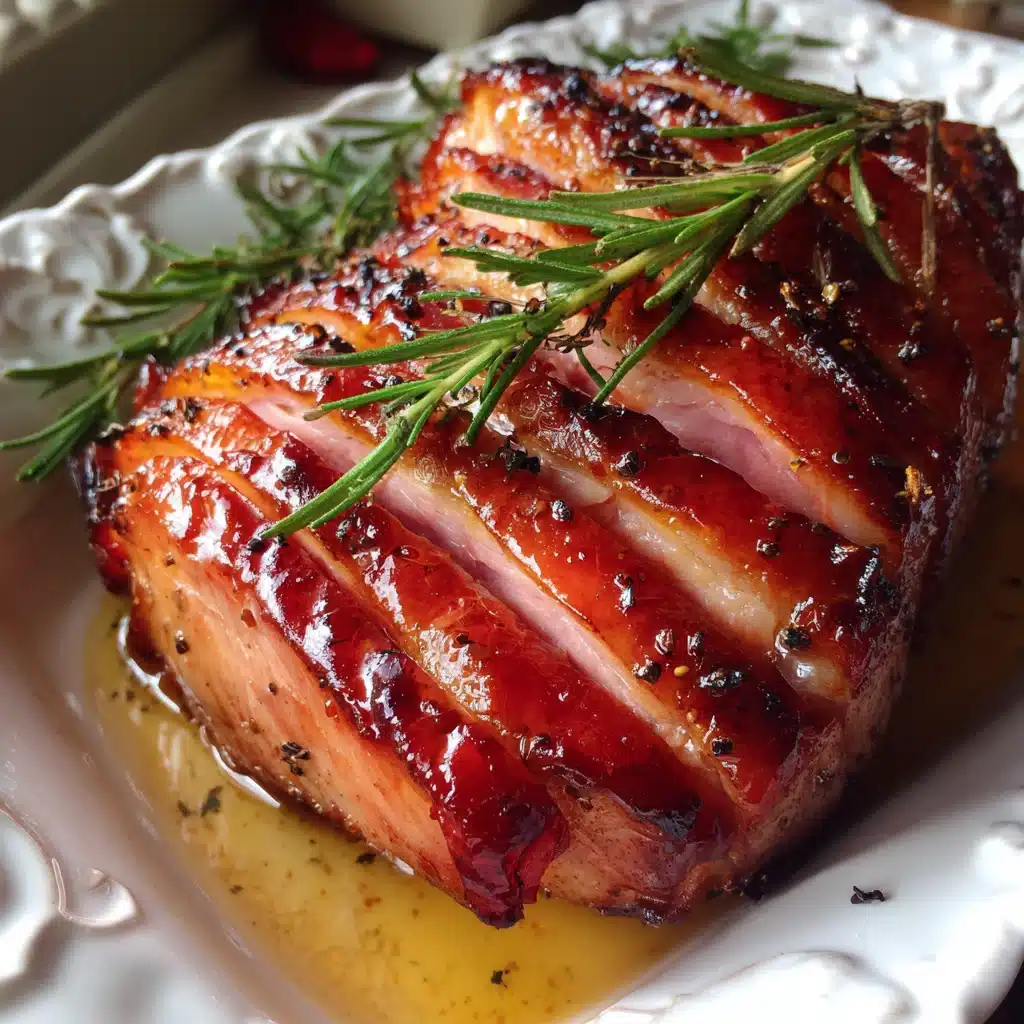
Easter holds a special place in my heart, evoking warm memories of bustling kitchens, joyful laughter, and the irresistible aroma of a truly spectacular meal. I remember being just a little sprout, peeking over the countertop, watching my grandmother, then my mother, meticulously prepare what would become the star of our holiday table. That centerpiece was always the magnificent, glistening Classic glazed ham or roast lamb (traditional Easter mains).
For twenty years, I’ve cherished those traditions, refining techniques, and creating my own unforgettable versions. Today, as Chef Zaki, your trusted kitchen guide, I’m thrilled to share my perfected recipe with you, ensuring your family creates equally cherished memories around these iconic traditional Easter mains.
We’ll dive into creating either a show-stopping Easter ham or a tender, flavorful roast lamb, both designed to impress and delight. Get ready to transform your kitchen into a haven of festive aromas and deliciousness, mastering the ultimate Classic glazed ham or roast lamb (traditional Easter mains).
Why You’ll Love This Recipe for Traditional Easter Mains
You absolutely deserve a stress-free holiday, and this recipe delivers just that. First, we provide clear, concise instructions for preparing the ultimate Classic glazed ham or roast lamb (traditional Easter mains). Both options, the glistening glazed ham and the succulent roast lamb, promise incredible flavor with surprisingly little fuss.
Furthermore, each dish serves as a truly magnificent centerpiece, perfect for gatherings big or small. You impress your guests effortlessly. Moreover, these recipes are incredibly versatile; you can easily adjust seasonings and glazes to match your family’s preferences.
Imagine that rich, savory ham or the tender, herb-infused lamb gracing your table. This recipe ensures success, even if you are a novice cook. You will build confidence and create a meal worthy of celebration.
Ultimately, this guide helps you create not just food, but lasting memories, making your perfect Easter dinner a resounding triumph. It’s all about bringing people together around exceptional food. Therefore, preparing this Classic glazed ham or roast lamb (traditional Easter mains) becomes a joyful experience, not a chore. You create a masterpiece everyone will talk about.
Ingredients You’ll Need
Gathering your ingredients forms the crucial first step. Quality ingredients truly elevate your finished dish. For either the glazed ham or the roast lamb, selecting fresh, high-quality components makes all the difference.
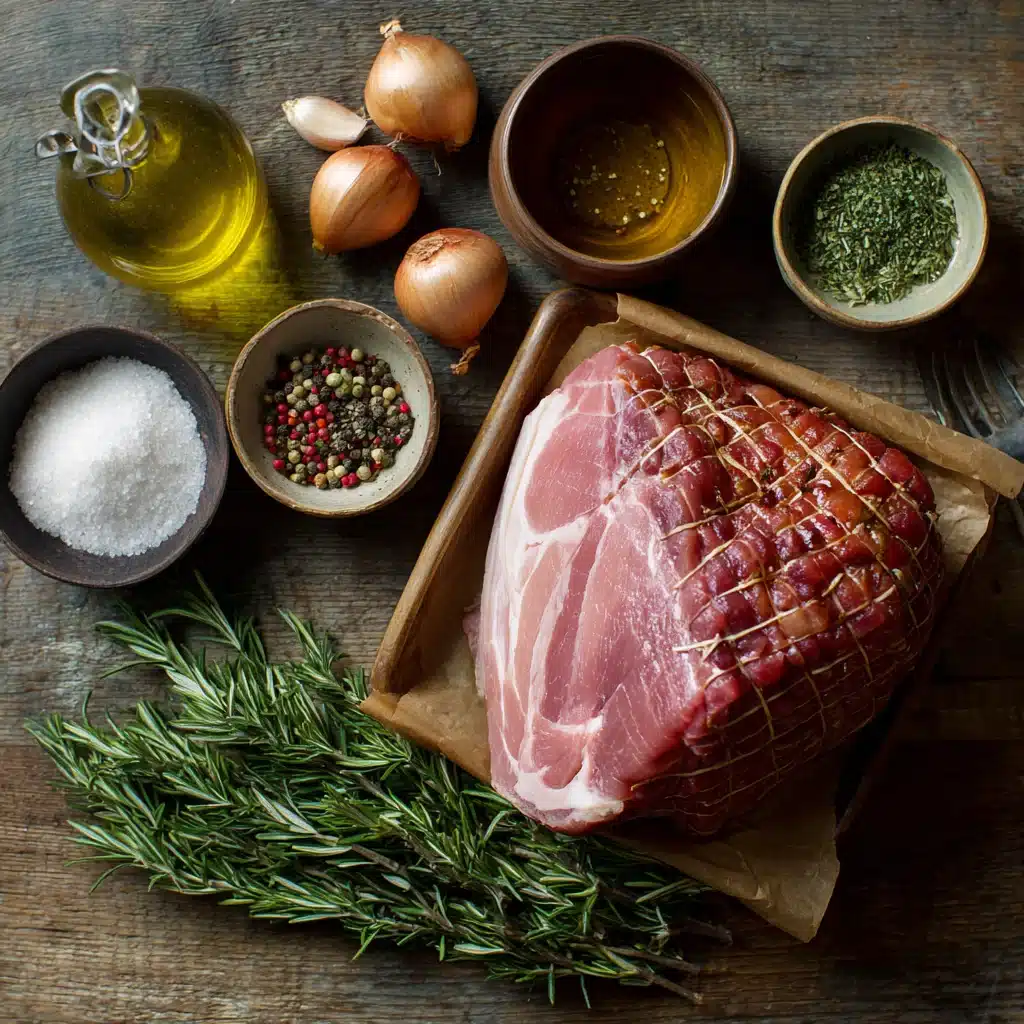
For the Classic Glazed Ham:
| Ingredient | Quantity | Notes |
|---|---|---|
| Bone-in or Boneless Smoked Ham | 7-9 pounds | Fully cooked, shank or spiral-sliced |
| Brown Sugar | 1 cup, packed | Light or dark brown sugar |
| Dijon Mustard | 1/4 cup | Adds tang and depth |
| Orange Juice | 1/4 cup | Freshly squeezed preferred |
| Honey | 1/4 cup | Local honey works beautifully |
| Apple Cider Vinegar | 1 tablespoon | Balances sweetness |
| Ground Cloves | 1/2 teaspoon | Classic ham spice |
| Ground Cinnamon | 1/4 teaspoon | Adds warmth |
For the Roast Lamb:
| Ingredient | Quantity | Notes |
|---|---|---|
| Boneless Leg of Lamb | 3-4 pounds | Netted or tied by butcher |
| Fresh Rosemary | 3 tablespoons, chopped | Crucial for lamb flavor |
| Fresh Thyme | 2 tablespoons, chopped | Complements rosemary well |
| Garlic | 6-8 cloves, minced | Generous amount for flavor |
| Olive Oil | 1/4 cup | Good quality extra virgin |
| Lemon Zest | 1 tablespoon | Adds brightness |
| Salt | 2 teaspoons | Kosher or sea salt |
| Black Pepper | 1 teaspoon | Freshly ground preferred |
| Chicken or Beef Broth | 1 cup | For roasting pan moisture |
Substitutions & Variations
Flexibility in cooking allows you to personalize any recipe, including this Classic glazed ham or roast lamb (traditional Easter mains). Feel free to adapt these suggestions to suit your palate or pantry. You create a meal that truly reflects your taste.
Ham Glaze Variations:
- Spicy Honey-Mustard: Add 1-2 teaspoons of sriracha or a pinch of cayenne pepper to the basic glaze recipe. You get a delightful kick.
- Maple-Bourbon: Substitute 1/4 cup maple syrup for the honey and add 2 tablespoons of bourbon to the glaze. This creates a sophisticated, rich flavor.
- Cherry-Cola: Reduce 1 cup of cherry cola with 1/4 cup brown sugar until syrupy, then brush onto the ham during the final baking stage. This delivers a sweet, tangy finish.
- Pineapple Glaze: Combine 1 cup crushed pineapple (drained), 1/2 cup brown sugar, 1/4 cup pineapple juice, and a tablespoon of Dijon mustard. You achieve a tropical sweetness.
Roast Lamb Flavor Enhancements:
- Mediterranean Twist: Add 1/4 cup chopped fresh mint, 1/2 cup pitted Kalamata olives, and 1/4 cup crumbled feta cheese to the herb rub mixture. You create a vibrant, briny profile.
- Smoky Paprika: Incorporate 1 tablespoon of smoked paprika and 1/2 teaspoon of cumin into the herb rub. This adds warmth and depth.
- Wine Reduction: Deglaze the roasting pan with 1/2 cup of dry red wine (like Cabernet Sauvignon or Merlot) after removing the lamb. Reduce it slightly and serve as a pan sauce. You develop rich, complex flavors.
- Mustard Herb Crust: Spread a thin layer of whole grain Dijon mustard over the lamb before applying the herb rub. This creates an extra flavorful crust.
Remember, the goal is to make this Classic glazed ham or roast lamb (traditional Easter mains) your own. Experiment fearlessly!
Flexibility in cooking allows you to personalize any recipe, including this Classic glazed ham or roast lamb (traditional Easter mains). For a delightful twist, consider pairing it with Classic Creamy Mashed Potatoes, which offers a creamy complement to your main dish.
Step-by-Step Instructions
Preparing a Classic glazed ham or roast lamb (traditional Easter mains) might seem daunting, but breaking it down makes it simple. Follow these steps carefully, and you will achieve culinary success.
Note: This video is for demonstration purposes and may use a slightly different method.
For the Classic Glazed Ham:
- Preheat Oven & Prep Ham: Preheat your oven to 325°F (160°C). Place the ham, fat side up, on a rack in a shallow roasting pan. If using a spiral-sliced ham, cover it loosely with foil to prevent drying.
- Make the Glaze: In a small saucepan, combine brown sugar, Dijon mustard, orange juice, honey, apple cider vinegar, ground cloves, and cinnamon. Bring the mixture to a simmer over medium heat, stirring until the sugar dissolves. Cook for 2-3 minutes until slightly thickened. You create a luscious, aromatic glaze.
- Bake the Ham: Bake the ham for 10-12 minutes per pound, or until an internal thermometer registers 130°F (54°C). For the last 30-45 minutes of baking, remove the foil (if used) and begin brushing the ham generously with the glaze every 10-15 minutes. This builds a beautiful, sticky crust. You develop that signature sweet and savory flavor.
- Rest & Serve: Once the ham reaches 130°F, remove it from the oven. Let it rest for 15-20 minutes before slicing. The internal temperature will rise to the safe serving temperature of 140°F (60°C). Resting allows the juices to redistribute, ensuring a tender, moist ham. You carve a perfect slice every time.
For the Roast Lamb:
- Preheat Oven & Prep Lamb: Preheat your oven to 400°F (200°C). Pat the boneless leg of lamb completely dry with paper towels. You ensure a good sear.
- Create the Herb Rub: In a small bowl, combine chopped fresh rosemary, thyme, minced garlic, olive oil, lemon zest, salt, and black pepper. Mix thoroughly until a paste forms.
- Season the Lamb: Generously rub the herb paste all over the lamb, ensuring even coverage. You infuse the meat with incredible flavor. Place the lamb in a roasting pan. Pour the chicken or beef broth into the bottom of the pan.
- Sear (Optional, but Recommended): For a beautiful crust, sear the lamb in a hot, oven-safe skillet on the stovetop over medium-high heat for 2-3 minutes per side until golden brown. Then transfer the skillet (or the lamb back to the roasting pan) to the oven. You lock in juices and create texture.
- Roast the Lamb: Roast the lamb for 20-25 minutes per pound for medium-rare (internal temperature 130-135°F / 54-57°C) or 25-30 minutes per pound for medium (135-140°F / 57-60°C). Use a meat thermometer inserted into the thickest part of the lamb. You monitor doneness precisely.
- Rest & Serve: Remove the lamb from the oven when it reaches your desired doneness. Transfer it to a cutting board and tent it loosely with foil. Let it rest for 15-20 minutes. Resting is paramount; it allows the juices to settle back into the meat, guaranteeing a tender, juicy result. You slice into perfection. Carve against the grain and serve immediately.
Pro Tips for Success
Achieving a truly spectacular Classic glazed ham or roast lamb (traditional Easter mains) involves a few key techniques. As Chef Zaki, I’ve learned these over years, and now I pass them to you. You will cook like a pro.
- Invest in a Good Meat Thermometer: This is your most valuable tool for any roast. You eliminate guesswork and ensure perfect doneness every time. An instant-read thermometer is a game-changer.
- Don’t Skip the Resting Time: This step is non-negotiable for both ham and lamb. While resting, muscle fibers relax, reabsorbing juices that would otherwise run out onto your cutting board. You preserve moisture and flavor.
- Score Your Ham Fat: For bone-in hams, score the fat in a diamond pattern before applying the glaze. This allows the glaze to penetrate better and creates a beautiful presentation. You enhance both flavor and aesthetics.
- Bring Lamb to Room Temperature: Before roasting, let your leg of lamb sit out for 1-2 hours. This ensures more even cooking from edge to center. You avoid a rare exterior and raw interior.
- Baste the Ham Frequently: During the last stage of baking, brush your ham with glaze every 10-15 minutes. This creates multiple layers of sticky, caramelized goodness. You build an irresistible crust.
- Deglaze the Pan: After removing the lamb, use the pan drippings to make a quick sauce. Add a splash of broth or wine to the hot pan, scrape up any browned bits, and reduce slightly. You capture all those incredible flavors.
- Carve Against the Grain: For both ham and lamb, identify the muscle grain and slice perpendicular to it. This shortens the muscle fibers, making each bite more tender. You ensure a pleasant texture.
Achieving a truly spectacular Classic glazed ham or roast lamb (traditional Easter mains) involves a few key techniques. To enhance your culinary skills even further, check out Pasta e Piselli (One-Pot Pasta) for a delicious and easy side that can elevate any meal.
Storage & Reheating Tips
Properly storing and reheating your Classic glazed ham or roast lamb (traditional Easter mains) ensures you enjoy delicious leftovers for days. You extend the enjoyment of your festive meal.
- Cool Promptly: Allow any leftover ham or lamb to cool to room temperature within two hours of cooking. You prevent bacterial growth.
- Airtight Containers: Transfer cooled meat to airtight containers. You protect it from drying out and absorbing other odors in the refrigerator.
- Refrigeration: Store cooked ham or lamb in the refrigerator for up to 3-4 days.
- Freezing: For longer storage, slice the meat and wrap individual portions tightly in plastic wrap, then place in freezer-safe bags or containers. It keeps well for up to 2-3 months. Thaw overnight in the refrigerator before reheating.
- Reheating Ham: For best results, place sliced ham in an oven-safe dish with a splash of chicken broth or water. Cover loosely with foil and reheat in a 300°F (150°C) oven until just warmed through. Avoid high heat; it dries out the ham.
- Reheating Lamb: Reheat sliced lamb gently in a pan on the stovetop with a little broth, or in the oven at a low temperature (275°F/135°C), covered, until warmed through. Overheating makes lamb tough.
What to Serve With This Recipe
Complementing your Classic glazed ham or roast lamb (traditional Easter mains) with the right sides elevates the entire dining experience. You create a harmonious and satisfying meal.
- Roasted Asparagus: A bright, seasonal favorite. Toss fresh asparagus with olive oil, salt, and pepper, then roast until tender-crisp.
- Creamy Mashed Potatoes: The ultimate comfort food. Whipped with butter, milk, and a pinch of garlic, they perfectly soak up pan juices.
- Glazed Carrots: Sweet and tender, these add color and a lovely counterpoint to the savory main. Roast them with a touch of maple syrup and butter.
- Scalloped Potatoes (Potatoes Au Gratin): Layers of thinly sliced potatoes baked in a rich, creamy sauce with cheese make a decadent side.
- Green Bean Casserole (from scratch!): A classic for a reason, but make a homemade version with fresh mushrooms and crispy fried shallots.
- Spring Salad with Vinaigrette: A light, refreshing salad with tender greens, berries, and a tangy dressing cuts through the richness of the meat.
- Dinner Rolls or Crusty Bread: Essential for soaking up any delicious juices or glaze. Serve with good quality butter.
- Mint Sauce or Jelly (for Lamb): A traditional accompaniment for roast lamb, offering a refreshing counterpoint to the rich meat.
- Apple Sauce or Chutney (for Ham): Sweet and tangy condiments enhance the glazed ham’s flavor beautifully.
Complementing your Classic glazed ham or roast lamb (traditional Easter mains) with the right sides elevates the entire dining experience. For a sweet finale, serve up Mini Grasshopper Pies, which will leave your guests craving more and perfectly round out your festive meal.
FAQs
What kind of ham should I buy for a Classic glazed ham or roast lamb (traditional Easter mains)?
For glazed ham, I recommend a fully cooked, bone-in or boneless smoked ham. Bone-in hams often have more flavor and juiciness, but boneless options are easier to carve. A spiral-sliced ham is convenient for serving. You ensure a fantastic base for your glaze.
How long does it take to cook a Classic glazed ham or roast lamb (traditional Easter mains)?
Cooking times vary based on weight. For ham, allow 10-12 minutes per pound at 325°F (160°C). For lamb, plan 20-25 minutes per pound at 400°F (200°C) for medium-rare.
Always use a meat thermometer; it truly is your best friend. You achieve perfect doneness every time.
Can I prepare the glaze or herb rub in advance?
Absolutely! You can prepare the ham glaze up to 3 days in advance and store it in the refrigerator. Gently reheat it before brushing.
Similarly, mix the lamb herb rub a day ahead and keep it covered in the fridge. This saves you valuable time on Easter morning. You streamline your holiday cooking.
What if my ham or lamb gets dry?
Overcooking is the primary cause of dry meat. For ham, cover it loosely with foil for most of the baking time and avoid excessively high temperatures. For lamb, don’t over-roast; rely on your meat thermometer.
Resting the meat properly also prevents dryness. You guarantee a juicy, tender result.
Is it possible to make this recipe for a smaller gathering?
Yes, you can easily adjust this Classic glazed ham or roast lamb (traditional Easter mains) recipe for fewer people. Purchase a smaller ham portion (e.g., a ham steak for 2-4 people) or a smaller boneless lamb roast (e.g., 2 pounds). Halve the glaze or rub ingredients as needed. You still enjoy an amazing holiday meal.
Can I use fresh herbs instead of dried for the lamb?
Always choose fresh herbs for the lamb whenever possible! Fresh rosemary and thyme provide a far superior aroma and flavor compared to dried. Use about three times the amount of fresh herbs if substituting for dried. You achieve a more vibrant, aromatic roast lamb.
Classic glazed ham and roast lamb are iconic dishes often served during festive occasions, particularly Easter. These traditional mains not only represent culinary heritage but also evoke the joys and warmth associated with family gatherings, making them cherished staples in many households. Learn more about these beloved dishes in this comprehensive Easter overview.
Nutrition Information (per serving)
Here’s an estimated nutritional breakdown for a typical 4-ounce serving of either the glazed ham or roast lamb. Please remember that actual values may vary based on specific cuts of meat, exact ingredient measurements, and cooking methods. You can make informed choices about your meal.
| Nutrient | Glazed Ham (approx.) | Roast Lamb (approx.) |
|---|---|---|
| Calories | 300-350 kcal | 280-330 kcal |
| Protein | 25-30 g | 28-32 g |
| Fat | 18-22 g | 16-20 g |
| Saturated Fat | 6-8 g | 6-8 g |
| Carbohydrates | 8-12 g | 0-2 g |
| Sugars | 7-10 g | 0-1 g |
| Sodium | 1000-1200 mg | 80-100 mg |
| Cholesterol | 80-90 mg | 85-95 mg |
Classic glazed ham or roast lamb (traditional Easter mains)
A perfect recipe for Classic glazed ham or roast lamb, ideal for celebrating Easter with family and friends, delivering incredible flavor and memories.
- Prep Time: 20 mins
- Cook Time: 3 hours
- Total Time: 3 hours 20 mins
- Yield: 8 servings
- Category: Dinner
- Method: Baking
- Cuisine: American
- Diet: Gluten Free
Ingredients
1 Bone-in or Boneless Smoked Ham (7-9 pounds)
1 cup Brown Sugar (packed)
1/4 cup Dijon Mustard
1/4 cup Orange Juice
1/4 cup Honey
1 tablespoon Apple Cider Vinegar
1/2 teaspoon Ground Cloves
1/4 teaspoon Ground Cinnamo
1 Boneless Leg of Lamb (3-4 pounds)
3 tablespoons Fresh Rosemary (chopped)
2 tablespoons Fresh Thyme (chopped)
6-8 cloves Garlic (minced)
1/4 cup Olive Oil
1 tablespoon Lemon Zest
2 teaspoons Salt
1 teaspoon Black Pepper
1 cup Chicken or Beef Broth
Instructions
- For the ham, preheat the oven to 325°F (160°C) and prep the ham
- Make the glaze by combining brown sugar, mustard, orange juice, honey, vinegar, cloves, and cinnamon in a saucepan and simmering until thickened
- Bake the ham for 10-12 minutes per pound while brushing with glaze
- For the lamb, preheat the oven to 400°F (200°C) and prep the lamb
- Create the herb rub and season the lamb, then roast according to weight
- Let the meat rest before serving
Notes
Use a meat thermometer to check for doneness.
Resting time is crucial for juicy results.