
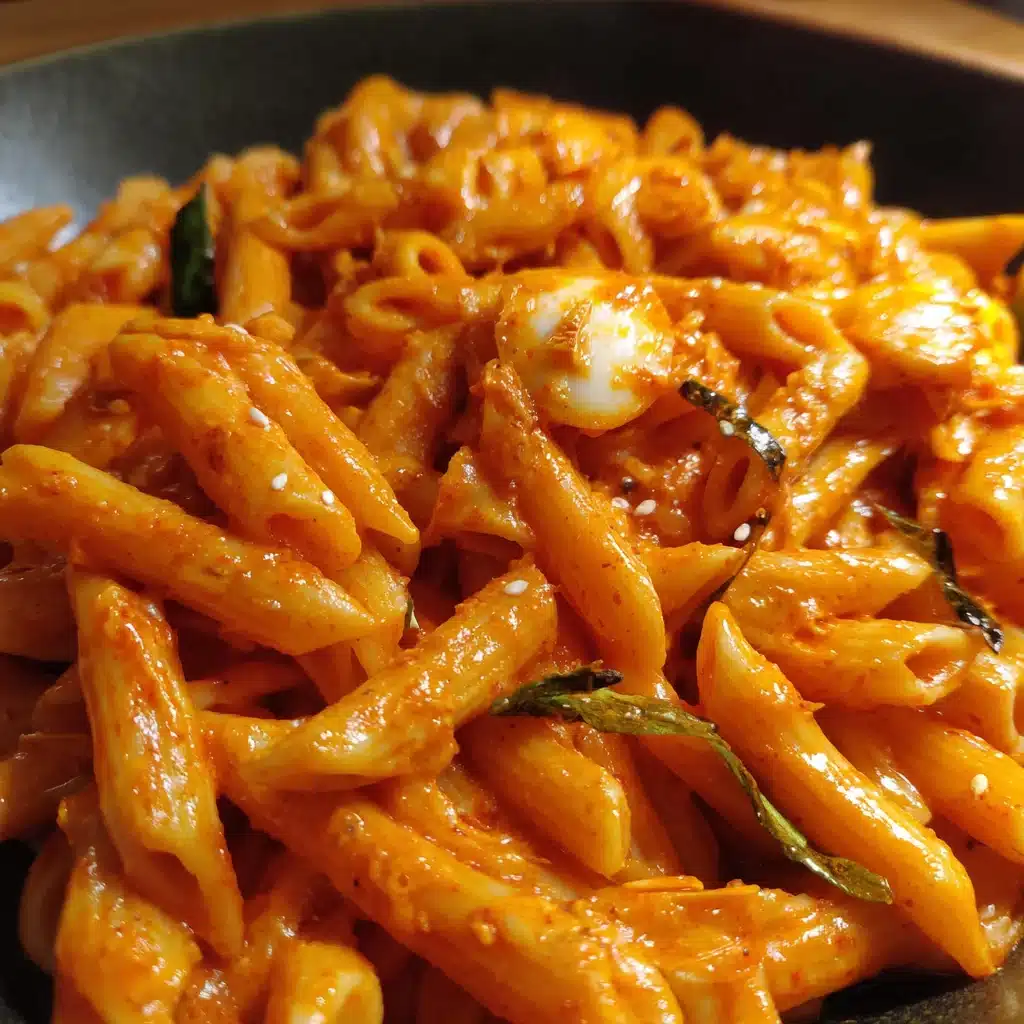
Welcome to my kitchen, fellow food adventurers! Chef Zaki here, and today, I’m sharing a recipe that has truly captured my heart and taste buds. It all started years ago, back when I was constantly tinkering with flavors, always seeking that next exciting dish.
I remember a particularly dreary Tuesday evening; I craved comfort, but also something with a kick. My pantry, always stocked with a wide array of international ingredients, held a vibrant red tub of gochujang. I had been experimenting with Korean flavors, and a lightbulb went off.
Could I combine the rich, savory depth of gochujang with the comforting embrace of a creamy pasta sauce? After a few joyful experiments, adjusting ratios, balancing sweetness with heat, I finally perfected it. The result?
A stunning dish that quickly became a family favorite and a staple in my repertoire: my now-famous Creamy Gochujang Pasta. This isn’t just another pasta dish; it’s a flavor revelation, a testament to how global ingredients can transform the familiar into something truly extraordinary. Get ready to fall in love with this Korean-inspired delight!
Why You’ll Love This Creamy Gochujang Pasta Recipe
There are countless reasons why this Creamy Gochujang Pasta will become a staple in your rotation, much like it has in mine. From its incredible flavor profile to its sheer simplicity, this dish truly delivers on all fronts. I often tell my friends, if you want to impress without stress, this is your recipe!
- Unforgettable Flavor Fusion: This pasta brilliantly marries the bold, spicy, savory, and subtly sweet notes of gochujang with a luscious, velvety cream sauce. Every single bite offers a complex and deeply satisfying experience. You get that warming heat from the gochujang, perfectly mellowed by the cream. This isn’t just spicy; it’s an explosion of umami.
- Weeknight Winner: Despite its gourmet appeal, whipping up this Creamy Gochujang Pasta takes less than 30 minutes from start to finish. It’s perfect for those busy evenings when you crave something special but lack the time for an elaborate meal. I’ve made this countless times after long days, and it always hits the spot.
- Customizable Comfort: This recipe offers fantastic flexibility. You can easily adjust the spice level to your preference, add your favorite proteins like chicken or shrimp, or load it up with extra vegetables. It’s a versatile canvas for your culinary creativity, allowing you to tailor your Creamy Gochujang Pasta exactly how you like it.
- Pantry-Friendly Ingredients: Most of the ingredients for this dish are likely already in your kitchen, with gochujang being the most “exotic” item, and it’s readily available at most major supermarkets or Asian grocery stores. This means less running around and more cooking joy!
- Crowd-Pleaser: Even folks who are initially hesitant about Korean flavors often find themselves asking for seconds of this Creamy Gochujang Pasta. Its familiar pasta base makes it approachable, while the unique sauce makes it exciting. It’s a fantastic dish for entertaining or a cozy family dinner.
Trust me, once you taste this incredible Creamy Gochujang Pasta, you’ll understand why it has earned such a special place in my kitchen. It’s truly a game-changer!
Ingredients You’ll Need
Gathering your ingredients is the first step towards creating this culinary masterpiece. I always stress using quality components; they make all the difference in the final taste of your Creamy Gochujang Pasta. Here’s what we need:
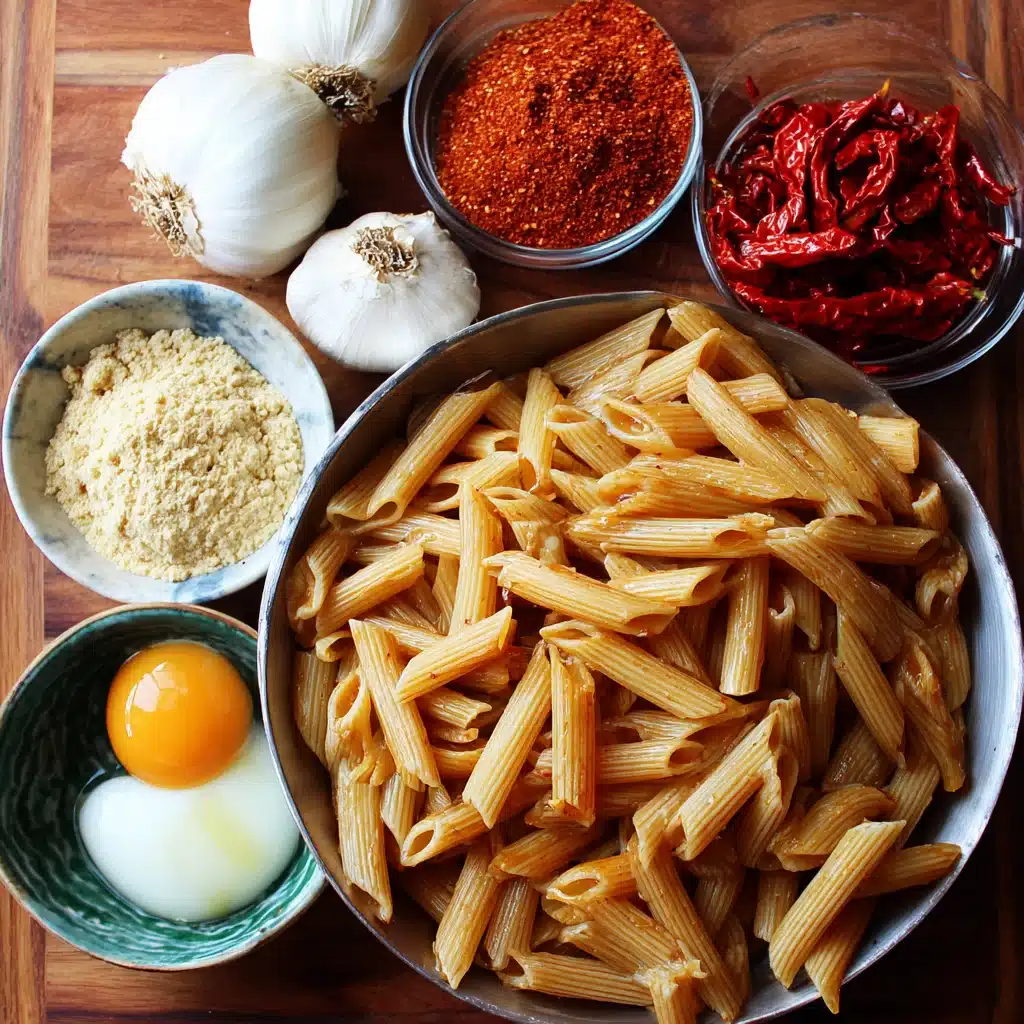
| Ingredient | Quantity | Notes |
|---|---|---|
| Pasta | 12 ounces (about 340g) | Penne, rigatoni, fettuccine, or spaghetti all work beautifully. |
| Olive Oil or Unsalted Butter | 1 tablespoon | For sautéing. Butter adds a richer flavor. |
| Garlic | 4-5 cloves | Minced, essential for depth of flavor. |
| Shallot or Yellow Onion | 1 small shallot or 1/2 small onion | Finely minced for sweetness and aroma. |
| Gochujang (Korean Chili Paste) | 2-3 tablespoons | Adjust to your desired spice level. Use a good quality brand! |
| Heavy Cream | 1 cup (240ml) | Crucial for that luxurious creamy texture. |
| Chicken or Vegetable Broth | 1/2 cup (120ml) | Adds liquid and savory depth to the sauce. |
| Parmesan Cheese (grated) | 1/2 cup, plus more for garnish | Freshly grated makes a huge difference. |
| Soy Sauce | 1 teaspoon | For an extra boost of umami; optional but recommended. |
| Brown Sugar or Honey | 1 teaspoon | To balance the heat and acidity of the gochujang. |
| Reserved Pasta Water | 1/2 cup (approx.) | Starchy water helps emulsify and thin the sauce. |
| Salt and Freshly Ground Black Pepper | To taste | Season generously. |
| Fresh Chives or Green Onions | For garnish | Sliced, adds freshness and a pop of color. |
| Red Pepper Flakes (optional) | 1/4 teaspoon | If you like extra heat! |
Substitutions & Variations
One of the beauties of this Creamy Gochujang Pasta recipe is its adaptability. Feel free to make it your own! As a home cook for two decades, I’ve tried countless variations, and I encourage you to experiment too. Here are some fantastic ideas to customize your dish:
- Protein Power-Ups:
- Chicken: Sauté diced chicken breast or thighs with the garlic and shallots. Cook until browned and cooked through before adding the rest of the sauce ingredients. This makes a hearty Creamy Gochujang Chicken Pasta.
- Shrimp: Quickly sear shrimp in a separate pan and toss them into the sauce at the very end. The delicate flavor of shrimp pairs beautifully with the bold gochujang.
- Tofu/Tempeh: For a vegetarian option, press extra-firm tofu, cube it, and pan-fry until golden brown. Toss it in with the sauce. Marinated and baked tempeh also works wonders.
- Beef/Pork: Ground beef or pork can be browned and drained, then incorporated into the sauce for a richer, more substantial Creamy Gochujang Pasta.
- Veggie Boost:
- Mushrooms: Sauté sliced mushrooms (cremini or shiitake) until golden brown before adding the aromatics. They add a wonderful earthy depth.
- Spinach/Kale: Stir in a handful of fresh spinach or chopped kale at the very end; the residual heat will wilt them perfectly into your Creamy Gochujang Pasta.
- Broccoli/Asparagus: Blanch or steam these vegetables separately and add them to the pasta just before serving for added texture and nutrients.
- Bell Peppers/Zucchini: Dice and sauté alongside the shallots for extra color and flavor.
- Dairy Alternatives:
- Coconut Milk: For a dairy-free or vegan option, substitute full-fat coconut milk for heavy cream. It will impart a subtle coconut flavor that complements the gochujang beautifully, creating a delightful Vegan Creamy Gochujang Pasta.
- Cashew Cream: Blend soaked cashews with a little water until smooth for a rich, plant-based cream.
- Oat Cream/Soy Cream: Many brands now offer excellent plant-based cooking creams that work well in this recipe.
- Spice Level Adjustments:
- Less Heat: Start with just 1-1.5 tablespoons of gochujang. You can always add more to taste.
- More Heat: Increase gochujang to 3-4 tablespoons, or add a pinch of red pepper flakes with the garlic for an extra kick in your Spicy Creamy Gochujang Pasta.
- Smoky Kick: A pinch of smoked paprika can add another layer of flavor.
- Gluten-Free Version: Simply use your favorite gluten-free pasta. The sauce itself is naturally gluten-free (ensure your soy sauce is GF if needed).
- Cheesy Swaps:
- Pecorino Romano: Offers a sharper, saltier kick than Parmesan.
- Mozzarella: Shredded mozzarella can be stirred in for a gooey, stretchy texture.
- Nutritional Yeast: For a cheesy flavor in a dairy-free Creamy Gochujang Pasta.
Don’t be afraid to make this recipe your own! The core flavor of the Creamy Gochujang Pasta is so robust that it welcomes many creative additions.
If you’re looking for more inspiration for side dishes to pair with your Creamy Gochujang Pasta, you should consider making some Classic Creamy Mashed Potatoes. Their buttery texture will complement the spicy richness of the pasta beautifully!
Step-by-Step Instructions
Alright, let’s get cooking! This Creamy Gochujang Pasta comes together surprisingly quickly, making it ideal for any night of the week. Follow these steps, and you’ll have a sensational meal ready in no time. Precision is key, but don’t forget to have fun!
Note: This video is for demonstration purposes and may use a slightly different method.
- Cook the Pasta: Bring a large pot of heavily salted water to a rolling boil. Add your chosen pasta and cook according to package directions until al dente. This means it should be firm to the bite, not mushy. Before draining, reserve about 1 to 1.5 cups of the starchy pasta water. This is vital for achieving the perfect sauce consistency for your Creamy Gochujang Pasta. Drain the pasta and set it aside.
- Sauté Aromatics: While the pasta cooks, melt the olive oil or butter in a large skillet or Dutch oven over medium heat. Add the minced shallot (or onion) and cook for 2-3 minutes until softened and translucent, stirring occasionally. You want to build a flavorful base for your Creamy Gochujang Pasta.
- Add Garlic and Gochujang: Stir in the minced garlic and cook for another minute until fragrant. Be careful not to burn the garlic! Next, add the gochujang paste, brown sugar (or honey), and soy sauce (if using). Stir well, cooking for about 1 minute to toast the gochujang slightly. This deepens its flavor and reduces any raw taste, making your Creamy Gochujang Pasta sauce truly exceptional.
- Build the Sauce: Pour in the chicken or vegetable broth and bring it to a gentle simmer, scraping up any browned bits from the bottom of the pan. This deglazing step adds even more flavor. Next, slowly whisk in the heavy cream. Reduce the heat to low and continue to simmer gently for 2-3 minutes, allowing the sauce to thicken slightly. The rich, velvety texture is forming now.
- Add Cheese and Season: Remove the pan from the heat. Stir in half of the grated Parmesan cheese until it melts smoothly into the sauce. Season the sauce with salt and freshly ground black pepper to taste. Remember, the gochujang and soy sauce already add salinity, so taste before adding too much salt. This is where you really define the flavor of your Creamy Gochujang Pasta.
- Combine Pasta and Sauce: Add the cooked, drained pasta directly to the skillet with the sauce. Toss everything together vigorously, ensuring every strand of pasta is coated in the luxurious Creamy Gochujang Pasta sauce.
- Adjust Consistency: If the sauce seems too thick, add the reserved pasta water, a tablespoon at a time, until you reach your desired consistency. The starch in the water helps the sauce cling beautifully to the pasta, creating a perfect emulsion.
- Serve and Garnish: Plate your hot Creamy Gochujang Pasta immediately. Garnish generously with the remaining grated Parmesan cheese and a sprinkle of fresh chives or green onions. If you like extra heat, a pinch of red pepper flakes adds a nice finish. Serve warm and enjoy!
See? Making this incredible Creamy Gochujang Pasta is simple and rewarding. You’ve just created something truly delicious!
Pro Tips for Success
Over two decades in the kitchen have taught me that small details often make the biggest difference. To ensure your Creamy Gochujang Pasta is absolutely perfect every single time, keep these pro tips in mind. They’re the secrets to elevating a good dish to an unforgettable one!
- Quality Gochujang Matters: Invest in a good quality gochujang. Different brands can vary in heat, sweetness, and overall flavor. Korean grocery stores often have the best selection, but major supermarkets carry good options too. The depth of flavor in your Creamy Gochujang Pasta heavily relies on this key ingredient.
- Don’t Skimp on Salt for Pasta Water: Always salt your pasta water generously. It should taste like the sea. This seasons the pasta from the inside out, which is crucial as the pasta itself forms a significant part of the dish. Bland pasta leads to bland Creamy Gochujang Pasta.
- Reserve That Pasta Water: This is arguably the most important tip for any creamy pasta dish. The starchy water helps to emulsify the sauce, making it incredibly smooth and allowing it to cling beautifully to the pasta. It also gives you full control over the final consistency of your Creamy Gochujang Pasta sauce.
- Cook Pasta Al Dente: Since the pasta will finish cooking in the hot sauce, aim for a true al dente stage. This prevents mushy pasta and ensures a pleasant texture in your finished Creamy Gochujang Pasta.
- Taste and Adjust: Always taste your sauce before combining it with the pasta, and then again after. Adjust the seasoning (salt, pepper, a touch more gochujang, or a pinch more sugar to balance) as needed. Every batch of gochujang can be slightly different, and your palate is the ultimate judge for your perfect Creamy Gochujang Pasta.
- Heat Control is Key: When adding gochujang and then cream, keep the heat on medium-low. High heat can cause the cream to separate or the gochujang to scorch, affecting the texture and flavor of your sauce.
- Freshly Grated Parmesan: Skip the pre-grated stuff! Freshly grated Parmesan melts smoother and offers a superior, more robust flavor that truly enhances the richness of your Creamy Gochujang Pasta.
- Don’t Overcrowd the Pan (if adding protein/veg): If you’re adding chicken, shrimp, or a lot of vegetables, cook them in batches if necessary, or use a larger pan. Overcrowding cools the pan and prevents proper browning.
- Serve Immediately: This Creamy Gochujang Pasta is best enjoyed fresh off the stove. The sauce is at its optimal creaminess and temperature right after mixing.
Follow these tips, and you’re not just making Creamy Gochujang Pasta; you’re crafting a truly exceptional meal that will impress everyone at your table!
To ensure your Creamy Gochujang Pasta is the best it can be, don’t forget to check out my tips for making Extra-Creamy Chocolate Mousse. These insights not only elevate the pasta but also help you impress with a delectable dessert!
Storage & Reheating Tips
While this Creamy Gochujang Pasta is undeniably best enjoyed fresh, sometimes you have leftovers, and that’s perfectly fine! Knowing how to store and reheat it properly ensures you can savor its deliciousness for another meal. Chef Zaki’s rule: no good food goes to waste!
- Storage:
- Allow the Creamy Gochujang Pasta to cool completely to room temperature before storing.
- Transfer the cooled pasta to an airtight container. This prevents it from drying out and absorbing unwanted fridge odors.
- Store in the refrigerator for up to 3-4 days. While it’s safe to eat longer, the pasta texture and sauce consistency are best within this timeframe.
- Reheating:
- Stovetop (Recommended): This method provides the best results for reheating your Creamy Gochujang Pasta.
- Place the leftover pasta in a skillet or saucepan over medium-low heat.
- Add a splash of milk, cream, or even a little water (about 1-2 tablespoons per serving) to help rehydrate the sauce, which often thickens in the fridge.
- Stir gently and continuously, breaking up any clumps, until the pasta is heated through and the sauce has returned to a creamy consistency. Be patient and keep the heat low to prevent scorching.
- Microwave: This is a quicker option, though the texture might not be quite as good as stovetop reheating.
- Place a single serving of Creamy Gochujang Pasta in a microwave-safe dish.
- Add a tablespoon of milk, cream, or water.
- Cover loosely (a damp paper towel works well) and microwave on medium power in 60-second intervals, stirring in between, until heated through.
- Adjust liquid as needed to achieve desired creaminess.
- Stovetop (Recommended): This method provides the best results for reheating your Creamy Gochujang Pasta.
- Important Notes:
- The sauce may appear slightly separated or thicker after refrigeration. This is normal! The added liquid during reheating will bring it back together.
- Avoid overheating, as this can cause the sauce to break or the pasta to become mushy. Gentle heat is your friend when reviving this delicious Creamy Gochujang Pasta.
With these tips, you can enjoy the fantastic flavors of your Creamy Gochujang Pasta for days!
What to Serve With This Recipe
This Creamy Gochujang Pasta is a robust and flavorful dish that can certainly stand on its own. However, a well-chosen side dish can elevate the entire meal, providing balance and enhancing the experience. I always think about contrasting textures and flavors!
- Simple Green Salad: A crisp, refreshing green salad with a light vinaigrette is always a winner. It cuts through the richness of the Creamy Gochujang Pasta and adds a welcome freshness. Think mixed greens, cucumber, and cherry tomatoes.
- Roasted or Steamed Vegetables:
- Broccoli or Broccolini: Roasted with a touch of garlic and olive oil, they offer a slight bitterness and tender-crisp texture that complements the creamy sauce.
- Asparagus: Steamed or lightly grilled asparagus with lemon zest provides a bright, earthy contrast.
- Green Beans: Sautéed with slivered almonds for crunch, these are a classic and simple pairing.
- Crusty Bread or Garlic Bread: Perfect for soaking up every last bit of that amazing Creamy Gochujang Pasta sauce! A warm, crusty baguette or homemade garlic bread is always a comforting addition.
- Kimchi: For those who love authentic Korean flavors, a small side of traditional kimchi provides a fantastic fermented tang and extra spice. Its sourness is a wonderful counterpoint to the rich, creamy pasta. This truly ties into the Korean inspiration of your Creamy Gochujang Pasta.
- Cucumber Salad: A quick and easy Korean-style cucumber salad (oi muchim) with a light vinegar dressing and sesame oil offers a cooling, crunchy contrast. It’s fantastic with the spicy notes of the gochujang.
- Edamame: Lightly steamed and salted edamame provides a simple, protein-rich side that’s easy to prepare and offers a gentle, fresh flavor.
- Light Soup: A clear, brothy soup, such as a simple miso soup or a vegetable broth, can be a nice starter, offering a lighter balance before diving into the hearty Creamy Gochujang Pasta.
Choose one or two of these options, and you’ll create a perfectly balanced and incredibly satisfying meal around your delicious Creamy Gochujang Pasta.
While the Creamy Gochujang Pasta stands robustly on its own, pairing it with The Best Homemade Macaroni and Cheese Recipe can enhance your meal experience. The creamy mac and cheese can provide a delightful contrast that balances the bold flavors of the pasta.
FAQs
Is Creamy Gochujang Pasta very spicy?
The spice level of Creamy Gochujang Pasta is quite adjustable. Gochujang itself has a moderate heat, but it’s often balanced by its inherent sweetness and savoriness. In this recipe, the heavy cream significantly mellows the heat.
You can start with 2 tablespoons of gochujang for a mild-to-medium spice, or increase to 3-4 tablespoons for a more pronounced kick. Always taste and adjust to your preference!
Can I make this Creamy Gochujang Pasta vegetarian or vegan?
Absolutely! To make it vegetarian, simply ensure you use vegetable broth instead of chicken broth, and opt for a vegetarian Parmesan cheese (or nutritional yeast for a cheesy flavor).
For a vegan Creamy Gochujang Pasta, use vegetable broth, replace heavy cream with full-fat coconut milk or a plant-based cooking cream (like oat or soy cream), and use nutritional yeast or a vegan Parmesan substitute instead of traditional Parmesan cheese. Ensure your gochujang is vegan-friendly as some brands might contain small amounts of animal products (though most are vegan).
What kind of pasta works best for Creamy Gochujang Pasta?
Most medium-to-large shaped pasta works wonderfully for Creamy Gochujang Pasta. I particularly like penne, rigatoni, or cavatappi because their ridges and hollows capture the creamy sauce beautifully. Fettuccine or spaghetti are also excellent choices if you prefer longer strands, as the sauce coats them perfectly. Avoid very small pasta shapes like orzo, as the sauce might overpower them.
Where can I buy gochujang?
Gochujang (Korean chili paste) is becoming increasingly available. You can typically find it in the international foods aisle of most large supermarkets, often near other Asian sauces or condiments. Asian grocery stores are also an excellent source and might offer a wider variety of brands and spice levels.
You can also easily purchase gochujang online from various food retailers. Look for a bright red tub or jar in the refrigerated section or on shelves.
Can I prepare Creamy Gochujang Pasta ahead of time?
While Creamy Gochujang Pasta is best served immediately for optimal texture and creaminess, you can prepare components ahead of time. You can mince your garlic and shallots. You can also cook your pasta al dente and lightly coat it with a little olive oil to prevent sticking, then store it in the fridge.
Make the sauce just before serving. If you must prepare the entire dish ahead, refer to the storage and reheating tips above for the best results, keeping in mind the texture will be slightly different upon reheating.
Creamy Gochujang Pasta is a delightful culinary invention that marries the bold tastes of Korean gochujang with traditional pasta. This unique fusion reflects the growing trend of innovative cooking that combines different cultural flavors, enhancing the dinner experience with a fusion of tastes.
Nutrition Information (per serving)
Please note that this nutrition information is an estimate based on the ingredients listed and standard portion sizes. Actual values may vary depending on specific brands, exact measurements, and any substitutions or additions made to your Creamy Gochujang Pasta. This estimate assumes 4 servings.
| Nutrient | Amount |
|---|---|
| Calories | 580 kcal |
| Total Fat | 32g |
| Saturated Fat | 18g |
| Cholesterol | 90mg |
| Sodium | 850mg |
| Total Carbohydrates | 58g |
| Dietary Fiber | 3g |
| Total Sugars | 6g |
| Protein | 18g |
Creamy Gochujang Pasta
Creamy Gochujang Pasta is a delightful dish that combines the rich, savory depth of Korean gochujang with a creamy pasta sauce, resulting in a satisfying and flavorful experience. Perfect for weeknight dinners, this dish is quick to prepare and customizable to your taste.
- Prep Time: 20 mins
- Cook Time: 10 mins
- Total Time: 30 mins
- Yield: 4 servings
- Category: Dinner
- Method: Stovetop
- Cuisine: Korean-American
- Diet: Vegetarian, Gluten Free (with gluten-free pasta)
Ingredients
12 ounces Pasta
1 tablespoon Olive Oil or Unsalted Butter
4-5 cloves Garlic, minced
1 small shallot or 1/2 small onion, finely minced
2-3 tablespoons Gochujang (Korean Chili Paste)
1 cup Heavy Cream
1/2 cup Chicken or Vegetable Broth
1/2 cup Parmesan Cheese, grated, plus more for garnish
1 teaspoon Soy Sauce
1 teaspoon Brown Sugar or Honey
1/2 cup Reserved Pasta Water
Salt and Freshly Ground Black Pepper, to taste
Fresh Chives or Green Onions, for garnish
1/4 teaspoon Red Pepper Flakes (optional)
Instructions
- Cook the Pasta: Bring a large pot of heavily salted water to a rolling boil. Add your chosen pasta and cook according to package directions until al dente. Before draining, reserve about 1 to 1.5 cups of the starchy pasta water. Drain the pasta and set it aside
- Sauté Aromatics: While the pasta cooks, melt the olive oil or butter in a large skillet or Dutch oven over medium heat. Add the minced shallot (or onion) and cook for 2-3 minutes until softened and translucent
- Add Garlic and Gochujang: Stir in the minced garlic and cook for another minute until fragrant. Then add the gochujang, brown sugar (or honey), and soy sauce (if using). Cook for about 1 minute to toast the gochujang slightly
- Build the Sauce: Pour in the broth and bring it to a gentle simmer. Slowly whisk in the heavy cream and let it simmer gently for 2-3 minutes to thicke
- Add Cheese and Season: Remove from heat, stir in half of the grated Parmesan cheese, and season with salt and pepper
- Combine Pasta and Sauce: Add the cooked pasta to the skillet and toss to coat in the sauce
- Adjust Consistency: If the sauce is too thick, add reserved pasta water, a tablespoon at a time, until you reach desired consistency
- Serve and Garnish: Plate immediately, garnishing with remaining Parmesan cheese and fresh chives or green onions
Notes
Customize with proteins or vegetables as desired.
Adjust spice level based on personal preference.