
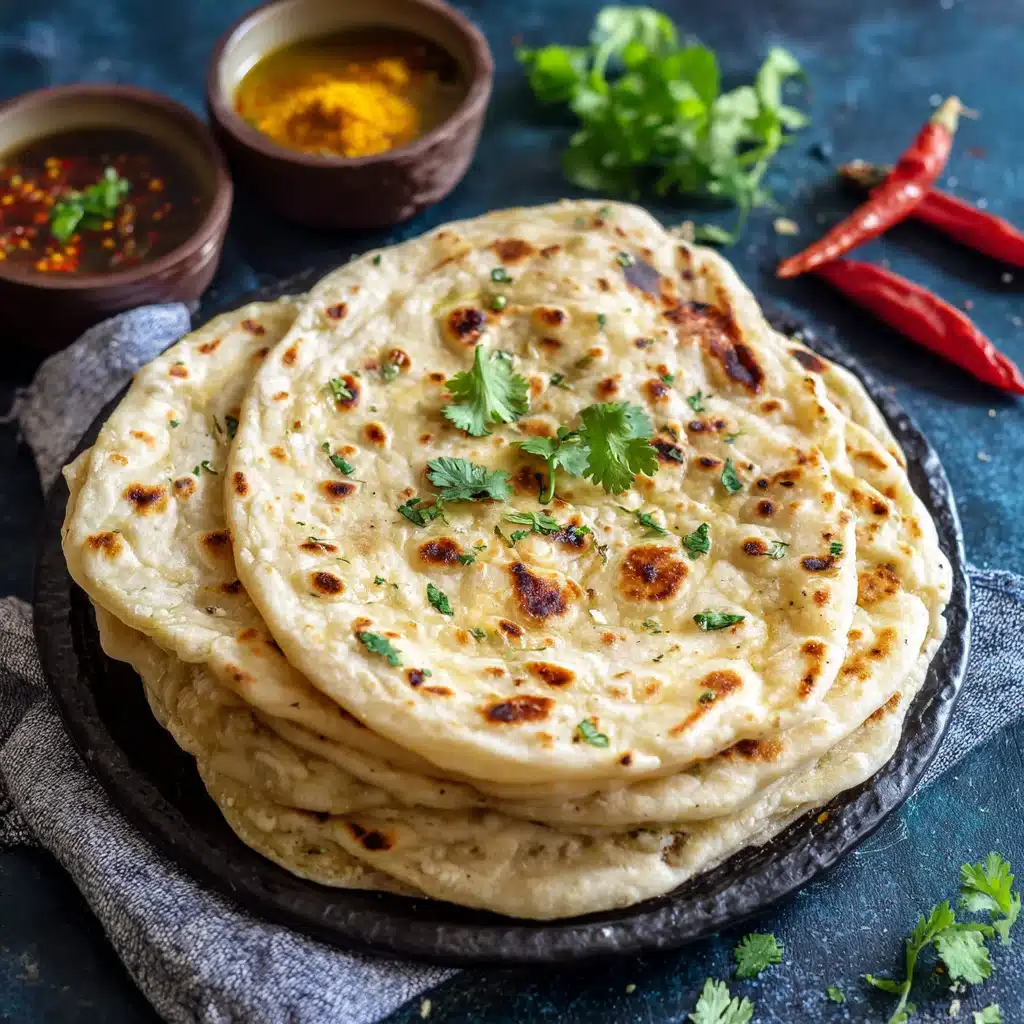
Growing up, my kitchen was always the heart of our home. It hummed with the comforting aroma of spices, bubbling curries, and, most frequently, the warm, toasty scent of freshly cooked flatbreads. I remember countless evenings watching my grandmother, her hands moving with practiced grace, transforming simple flour and water into soft, pliable discs.
She made it look effortless, almost magical. For years, I believed making authentic roti was a skill reserved for seasoned cooks, a complex art form. But then, after years of experimenting and learning, I cracked the code to making a truly Easy Roti (Indian Flatbread) right in my own kitchen.
This isn’t just any roti; this is the kind that puffs up beautifully, smells incredible, and tastes even better. It’s surprisingly simple, incredibly rewarding, and will quickly become a staple in your home, just as it has in mine. Forget store-bought flatbreads; once you master this Easy Roti (Indian Flatbread) recipe, you’ll never look back. Prepare to amaze yourself and your family with this delightful, authentic Indian staple.
Why You’ll Love This Easy Roti (Indian Flatbread) Recipe
You’re about to discover why this Easy Roti (Indian Flatbread) recipe will become an instant favorite. First and foremost, it’s incredibly simple. Forget complicated techniques or specialized equipment; we use basic ingredients and straightforward steps.
Even if you’ve never made bread before, you’ll achieve fantastic results with this Easy Roti (Indian Flatbread). Furthermore, the taste is absolutely unparalleled. Freshly made roti, warm off the griddle, boasts a soft texture and a slightly nutty flavor that store-bought versions simply cannot match.
This homemade Easy Roti (Indian Flatbread) elevates any meal, soaking up delicious curries and adding a comforting warmth to your plate. Beyond taste, the satisfaction of creating something so delicious from scratch is truly immense. You control the ingredients, ensuring a wholesome and healthy addition to your family’s diet.
Finally, it’s an incredibly versatile flatbread. Enjoy it with classic Indian dishes, use it as a wrap, or even tear it up for scooping dips. This Easy Roti (Indian Flatbread) truly offers endless possibilities, making it a culinary superstar in any kitchen.
Ingredients You’ll Need
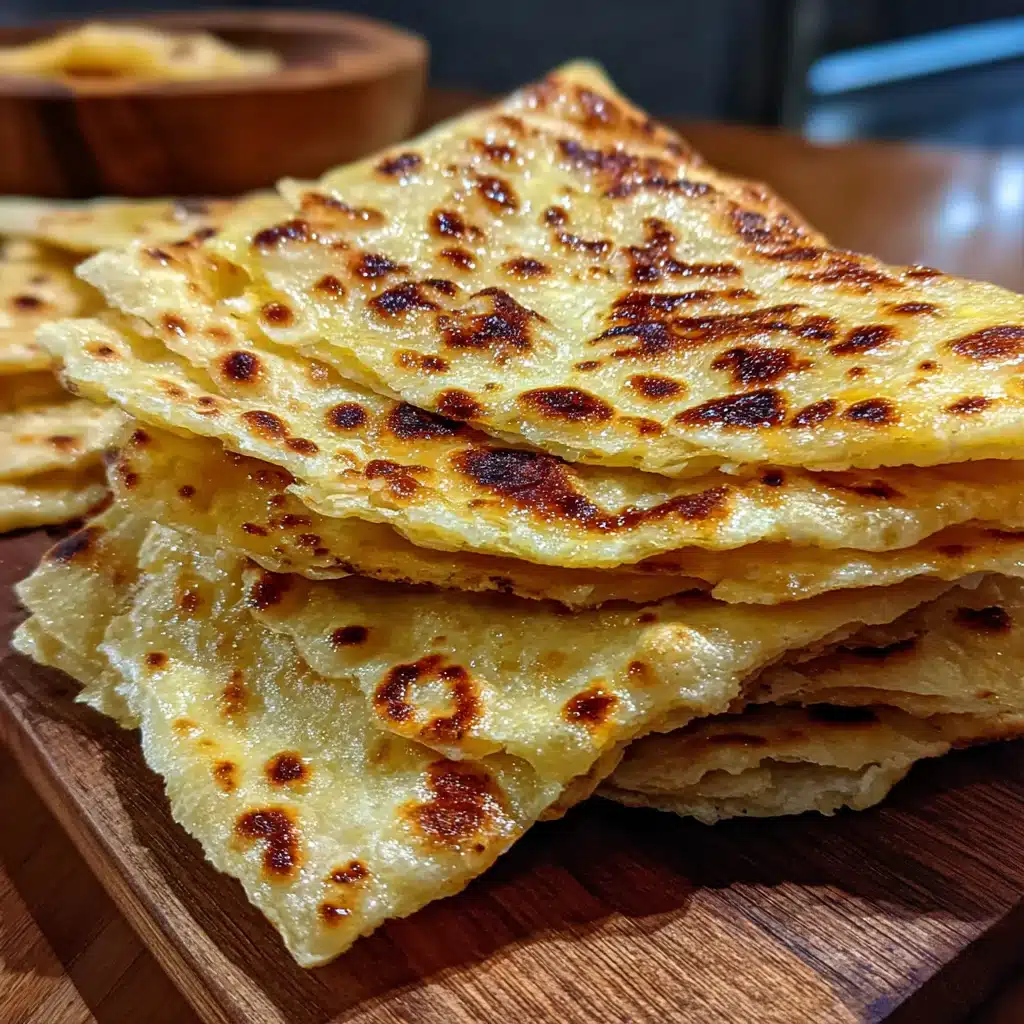
Creating this wonderful Easy Roti (Indian Flatbread) requires only a few humble ingredients, which you likely already have in your pantry. Simplicity is key to this delicious flatbread.
| Ingredient | Quantity | Notes |
|---|---|---|
| Whole Wheat Flour (Atta) | 2 cups | The secret to authentic roti texture and flavor. |
| Warm Water | 1 cup (approx.) | Adjust as needed for a soft, pliable dough. |
| Salt | 1/2 teaspoon | Enhances the flavor of your Easy Roti (Indian Flatbread). |
| Oil or Ghee | 1 teaspoon + more for cooking | Helps keep the dough soft and makes the roti pliable. |
Let’s talk about these simple components that create a perfect Easy Roti (Indian Flatbread). Whole wheat flour, often called atta in Indian cooking, provides the characteristic chewiness and wholesome flavor. It’s denser than all-purpose flour, giving the roti its unique texture.
Warm water is crucial for activating the gluten in the flour and achieving a soft, pliable dough. Always add it gradually, as flour can absorb liquid differently depending on humidity. Salt, a fundamental seasoning, brings out the natural flavors of the flour.
A touch of oil or ghee in the dough contributes to its softness and flexibility, making it easier to roll and preventing it from drying out. Furthermore, a little oil on the cooking surface ensures your Easy Roti (Indian Flatbread) browns beautifully without sticking. These basic ingredients truly combine to make an extraordinary Easy Roti (Indian Flatbread).
Substitutions & Variations
This Easy Roti (Indian Flatbread) recipe is incredibly forgiving and adaptable. You can easily tailor it to your dietary needs or flavor preferences without compromising on taste. For instance, if you don’t have atta (Indian whole wheat flour), you can certainly use regular whole wheat flour from your local grocery store.
The texture might be slightly different, but you will still achieve a delicious Easy Roti (Indian Flatbread). Alternatively, for a lighter, softer roti, you can substitute half of the whole wheat flour with all-purpose flour. This creates a slightly less dense, yet still delightful, Easy Roti (Indian Flatbread).
To enhance the flavor, consider adding finely minced garlic or a pinch of carom seeds (ajwain) to the flour mixture. These additions infuse your Easy Roti (Indian Flatbread) with an aromatic twist. Freshly chopped cilantro or even a sprinkle of dried fenugreek leaves (kasoori methi) can also elevate the taste, giving your homemade Easy Roti (Indian Flatbread) an herb-infused profile.
For those avoiding oil, you can omit the oil or ghee from the dough, though it might result in a slightly less pliable roti. You can also brush the cooked roti with vegan butter instead of ghee for a dairy-free option. Experiment with these simple variations to truly make this Easy Roti (Indian Flatbread) your own culinary masterpiece. Each modification offers a unique experience while keeping the essence of a simple, homemade flatbread.
This Easy Roti (Indian Flatbread) recipe is incredibly forgiving and adaptable. If you are looking for innovative ways to use your time in the kitchen, consider treating yourself to a delightful Lemon Curd Tart for easy Easter Dessert or Brunch Sweet Treat.
Step-by-Step Instructions
Note: This video is for demonstration purposes and may use a slightly different method.
Making this Easy Roti (Indian Flatbread) is a truly satisfying process. Follow these clear steps, and you’ll soon be enjoying warm, homemade goodness.
1. Prepare Your Dough: In a large mixing bowl, combine the whole wheat flour and salt. Gradually add the warm water, mixing with your hands or a spoon.
As the mixture comes together, add the teaspoon of oil or ghee.
2. Knead the Dough: Transfer the dough to a clean, lightly floured surface.
Knead vigorously for 5-7 minutes. You want a soft, smooth, and pliable dough that springs back when gently pressed. This vigorous kneading develops the gluten, crucial for a soft Easy Roti (Indian Flatbread).
3. Rest the Dough: Form the dough into a ball, place it back in the bowl, and cover it with a damp cloth or plastic wrap. Let it rest for at least 20-30 minutes at room temperature.
This resting period helps the gluten relax, making the dough much easier to roll and ensuring a tender Easy Roti (Indian Flatbread).
4. Divide and Shape: After resting, uncover the dough.
Gently knead it once more for about 30 seconds. Divide the dough into equal portions, typically 10-12 pieces, and roll each piece into a smooth ball.
5.Roll the Roti: Lightly flour your work surface and a rolling pin. Take one dough ball, flatten it slightly, and dip both sides in dry flour. Roll it out into a thin, even circle, about 6-7 inches in diameter.
Try to keep the edges even; a perfectly round Easy Roti (Indian Flatbread) might take practice, but taste is paramount!
6. Heat Your Tawa/Griddle: Place a cast-iron skillet or non-stick tawa (griddle) over medium-high heat.
Let it get hot – you’ll see a slight smoke or a drop of water will sizzle immediately.
7. Cook the Roti – First Side: Carefully place the rolled-out roti onto the hot tawa.
Cook for about 30 seconds, or until you see small bubbles appearing on the surface and the dough changes color slightly.
8. Cook the Roti – Second Side: Flip the roti.
Cook for another 30-45 seconds. You should see larger bubbles forming, and some brown spots appearing on the cooked side.
9.Puff the Roti (Optional but Fun!): Now, for the magic! If you’re using a gas stove, carefully transfer the partially cooked roti directly onto the flame using tongs for a few seconds. It will beautifully puff up like a balloon!
If you don’t have an open flame, press gently around the edges of the roti on the tawa with a clean cloth or spatula; it often puffs up then too. This puffing indicates a perfectly cooked Easy Roti (Indian Flatbread).
10.Finish and Serve: Remove the puffed roti from the flame or tawa. Lightly brush with ghee or butter, if desired. Stack them in a covered container or wrap them in a clean kitchen towel to keep them warm and soft until serving. Enjoy your freshly made Easy Roti (Indian Flatbread)!
Pro Tips for Success
Making the perfect Easy Roti (Indian Flatbread) becomes second nature with a few expert tips. First, achieving the right dough consistency is paramount. Your dough should be soft, pliable, and slightly sticky but not wet.
If it’s too dry, your roti will be stiff and hard to roll; if too wet, it will be messy and sticky. Adjust water or flour in small increments. Remember, a well-kneaded dough makes a truly delicious Easy Roti (Indian Flatbread).
Secondly, don’t skip the resting time for the dough. This allows the gluten to relax, making the dough much easier to roll and preventing it from shrinking back. A properly rested dough results in a soft, tender Easy Roti (Indian Flatbread).
Thirdly, when rolling, use just enough dry flour to prevent sticking, but not so much that it makes the roti dry or dusty. Excessive flour can burn on the tawa. Aim for an even thickness; an uneven roti will cook inconsistently.
Fourth, maintain medium-high heat on your tawa. Too low, and the roti will dry out; too high, and it will burn before cooking through. A properly heated tawa is essential for a perfectly puffed Easy Roti (Indian Flatbread).
Finally, if your roti isn’t puffing, don’t fret! It often happens if the dough is too dry, not rested enough, or the tawa isn’t hot enough. Even if it doesn’t puff, it will still taste incredible. These tips will help you consistently create a fantastic Easy Roti (Indian Flatbread).
Making the perfect Easy Roti (Indian Flatbread) becomes second nature with a few expert tips. Once you’ve mastered the dough, indulge in a sweet treat with our Easy Chocolate Brownie Cookies that pairs wonderfully with a warm cup of chai.
Storage & Reheating Tips
You’ve made a beautiful batch of Easy Roti (Indian Flatbread), and now you want to enjoy them later. Proper storage is key to maintaining their softness and freshness. Once cooled completely, stack the rotis and wrap them tightly in aluminum foil or place them in an airtight container.
This prevents them from drying out. Store them at room temperature for up to 1-2 days. For longer storage, you can refrigerate them for up to 4-5 days.
To freeze your Easy Roti (Indian Flatbread), stack them with parchment paper in between each one to prevent sticking, then wrap the stack tightly in foil and place it in a freezer-safe bag. They will keep well in the freezer for up to 2-3 months.
Reheating your Easy Roti (Indian Flatbread) is simple. From the refrigerator, you can warm them quickly on a hot tawa or skillet for 15-20 seconds per side until soft and warm. Alternatively, microwave them for 15-30 seconds, covering them with a damp paper towel to retain moisture.
If reheating from frozen, you don’t need to thaw them first. Place the frozen roti directly on a hot tawa over medium heat, flipping occasionally, until completely heated through and pliable. A slight brushing of ghee or butter after reheating can revive their fresh taste. These methods ensure your Easy Roti (Indian Flatbread) tastes almost as good as freshly made.
What to Serve With This Recipe
This Easy Roti (Indian Flatbread) is incredibly versatile, making it the perfect accompaniment to a vast array of dishes. Traditionally, roti shines alongside rich Indian curries. Imagine pairing your soft, homemade Easy Roti (Indian Flatbread) with a comforting Chicken Tikka Masala, a creamy Paneer Butter Masala, or a hearty Lentil Dal. The roti acts as an ideal vehicle for scooping up those flavorful gravies and sauces, ensuring you savor every drop.
Beyond classic Indian fare, this Easy Roti (Indian Flatbread) opens up a world of culinary possibilities. Use it as a healthier alternative to tortillas for wraps and burritos. Fill it with grilled vegetables, hummus, and a drizzle of tahini for a light lunch.
Alternatively, craft quick quesadillas by filling your Easy Roti (Indian Flatbread) with cheese and your favorite toppings, then grilling it until golden. You can even serve it alongside grilled meats or vibrant salads, using it as a sophisticated bread substitute. Furthermore, tear your Easy Roti (Indian Flatbread) into pieces and use them for dipping in baba ghanoush, guacamole, or a simple olive oil and herb blend.
Its neutral flavor and soft texture make it suitable for almost any meal. This Easy Roti (Indian Flatbread) truly elevates any dining experience.
This Easy Roti (Indian Flatbread) is incredibly versatile, making it the perfect accompaniment to a vast array of dishes. After enjoying the roti, you might want to tempt your sweet tooth with some Easy No Bake Chocolate Oatmeal Bars Recipe.
FAQs
What is the difference between roti and naan?
Roti and naan are both popular Indian flatbreads, but they differ significantly. Roti, like this Easy Roti (Indian Flatbread), typically uses whole wheat flour, water, and salt, cooked on a tawa (griddle). It’s unleavened, meaning it doesn’t contain yeast, resulting in a thin, soft, and pliable texture.
Naan, on the other hand, is usually made with all-purpose flour, contains yeast, and is traditionally cooked in a tandoor (clay oven). It’s generally thicker, chewier, and often brushed with butter or garlic. This Easy Roti (Indian Flatbread) is a daily staple, while naan is often reserved for special occasions or restaurant dining.
Can I make Easy Roti (Indian Flatbread) without a tawa?
Absolutely! While a tawa (a flat griddle) is traditional for making Easy Roti (Indian Flatbread), a heavy-bottomed cast-iron skillet or even a good quality non-stick pan will work perfectly. The key is to ensure your cooking surface is hot enough and evenly heated to cook the roti properly and encourage it to puff.
The material of the pan matters less than its heat retention. So, you can certainly achieve a fantastic Easy Roti (Indian Flatbread) with standard kitchen equipment.
Why isn’t my Easy Roti (Indian Flatbread) puffing?
Many factors can prevent your Easy Roti (Indian Flatbread) from puffing up, which is a common concern. The most frequent reasons include: a dough that is too dry or too wet, insufficient kneading, not allowing the dough enough resting time, uneven rolling (too thick in some spots, too thin in others), or a tawa that isn’t hot enough. Sometimes, a tiny tear or hole in the rolled roti can also prevent it from trapping steam and puffing.
Don’t worry if it doesn’t puff every time; a non-puffed roti still tastes delicious and is perfectly edible. Practice makes perfect with your Easy Roti (Indian Flatbread).
Can I use all-purpose flour for Easy Roti (Indian Flatbread)?
While traditional Easy Roti (Indian Flatbread) uses whole wheat flour (atta), you can certainly use all-purpose flour or a combination of all-purpose and whole wheat flour. Using solely all-purpose flour will result in a lighter, softer, and less dense roti, which some people prefer. It won’t have the same slightly nutty flavor or chewiness as one made with whole wheat, but it will still be a tasty flatbread. Adjust water quantity as all-purpose flour absorbs liquid differently.
Is Easy Roti (Indian Flatbread) healthy?
Yes, homemade Easy Roti (Indian Flatbread) is generally a very healthy flatbread option. Made primarily from whole wheat flour, it’s a good source of dietary fiber, which aids digestion and promotes satiety. It also provides complex carbohydrates for sustained energy.
Unlike some other breads, this Easy Roti (Indian Flatbread) contains minimal oil or fat and no added sugar. Choosing whole wheat flour makes it a more nutritious choice compared to refined flour options.
Easy Roti (Indian Flatbread) is a staple in many Indian households, known for its simplicity and versatility. This delightful bread serves not only as a staple for various meals but also reflects the rich culinary tradition of India, similar to other regional flatbreads like naan and paratha, perfectly detailed in this Flatbread article.
Nutrition Information (per serving)
These values are approximate and can vary based on specific ingredients and serving size. A typical serving refers to one 6-7 inch Easy Roti (Indian Flatbread).
| Nutrient | Amount |
|---|---|
| Calories | 100-120 kcal |
| Total Fat | 1-2 g |
| Saturated Fat | 0-1 g |
| Cholesterol | 0 mg |
| Sodium | 100-150 mg |
| Total Carbohydrates | 20-25 g |
| Dietary Fiber | 3-4 g |
| Sugars | 0 g |
| Protein | 3-4 g |
Easy Roti (Indian Flatbread)

This Easy Roti (Indian Flatbread) is a simple, yet delicious, homemade flatbread that puffs up beautifully and complements a variety of dishes. Made with just a few basic ingredients, it offers a wholesome addition to your meals.
- Prep Time: 20 mins
- Cook Time: 10 mins
- Total Time: 30 mins
- Yield: 10-12 servings
- Category: Dinner
- Method: Baking
- Cuisine: Indian
- Diet: Vegetarian
Ingredients
2 cups Whole Wheat Flour (Atta)
1 cup Warm Water
1/2 teaspoon Salt
1 teaspoon Oil or Ghee
Instructions
- In a large mixing bowl, combine the whole wheat flour and salt. Gradually add the warm water, mixing with your hands or a spoon. As the mixture comes together, add the teaspoon of oil or ghee
- Transfer the dough to a clean, lightly floured surface. Knead vigorously for 5-7 minutes until you have a soft, smooth, and pliable dough
- Form the dough into a ball, place it back in the bowl, and cover it with a damp cloth. Let it rest for at least 20-30 minutes
- After resting, uncover the dough and divide it into 10-12 equal portions. Roll each piece into a smooth ball
- Lightly flour your work surface and rolling pin. Take one dough ball and roll it out into a thin circle, about 6-7 inches in diameter
- Heat a cast-iron skillet or non-stick tawa over medium-high heat
- Cook the rolled-out roti on the hot tawa for about 30 seconds until small bubbles appear
- Flip the roti and cook for another 30-45 seconds until you see larger bubbles and brown spots
- For puffing, transfer the roti directly onto an open flame for a few seconds or press gently on the edges on the tawa
- Remove the puffed roti and brush with ghee if desired. Stack them to keep warm until serving
Notes
Ensure the dough is soft and pliable by adjusting water as needed.
Do not skip the resting time for the dough to achieve a tender roti.