
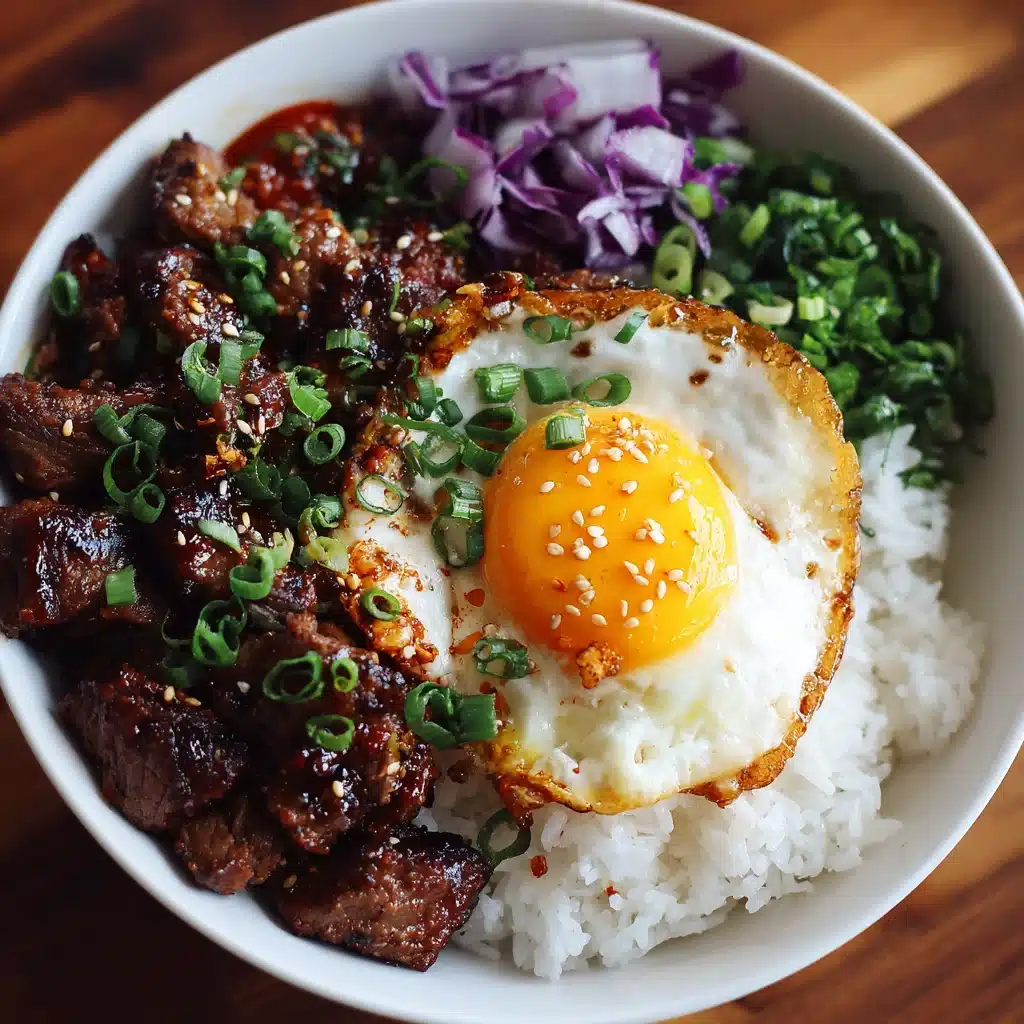
Oh, the memories! I can still vividly recall the very first time I tasted a truly authentic Korean Beef Bowl. It wasn’t in a fancy restaurant, but in a small, bustling Korean market tucked away in a quiet corner of town.
The aroma alone—a tantalizing blend of sweet soy, savory garlic, and a hint of sesame—was enough to make my stomach rumble. I watched as the chef expertly grilled thinly sliced marinated beef, sizzling and caramelizing before my eyes, then piled it high over fluffy rice with an array of vibrant, crisp vegetables. That moment sparked an obsession, a quest to recreate that perfect balance of flavors and textures in my own kitchen.
After years of experimenting, tweaking, and countless family taste tests, I’ve finally perfected my go-to recipe for the ultimate Korean Beef Bowl. It’s not just a meal; it’s a hug in a bowl, a vibrant explosion of umami that transports you straight to the heart of Korean home cooking. Get ready to fall in love with this incredibly flavorful and surprisingly simple dish!
Why You’ll Love This Easy Korean Beef Bowl Recipe
You are about to discover your new favorite weeknight dinner, the phenomenal Korean Beef Bowl! This recipe isn’t just another meal; it’s a culinary experience that delivers big on flavor without demanding hours in the kitchen. First and foremost, you’ll adore the incredible depth of taste.
The beef marinates in a concoction of soy sauce, sesame oil, garlic, ginger, and a touch of sweetness, transforming it into incredibly tender, savory bites that practically melt in your mouth. Moreover, this Korean Beef Bowl comes together astonishingly fast once the beef is marinated. It’s the perfect solution for busy evenings when you crave something wholesome, delicious, and far more exciting than your usual routine.
Furthermore, this Korean Beef Bowl recipe offers fantastic versatility. You can easily customize the vegetables, adjust the spice level, or even swap out the protein if you wish. It’s also a wonderfully balanced meal, featuring lean protein, complex carbohydrates from rice, and plenty of vitamins from fresh veggies.
You truly create a complete and satisfying dish. Plus, serving it “bowl style” makes for a fun and interactive dining experience that even picky eaters tend to enjoy. My family raves about this Korean Beef Bowl, and I guarantee yours will too. Prepare for an abundance of compliments when you serve this magnificent Korean Beef Bowl!
Ingredients You’ll Need
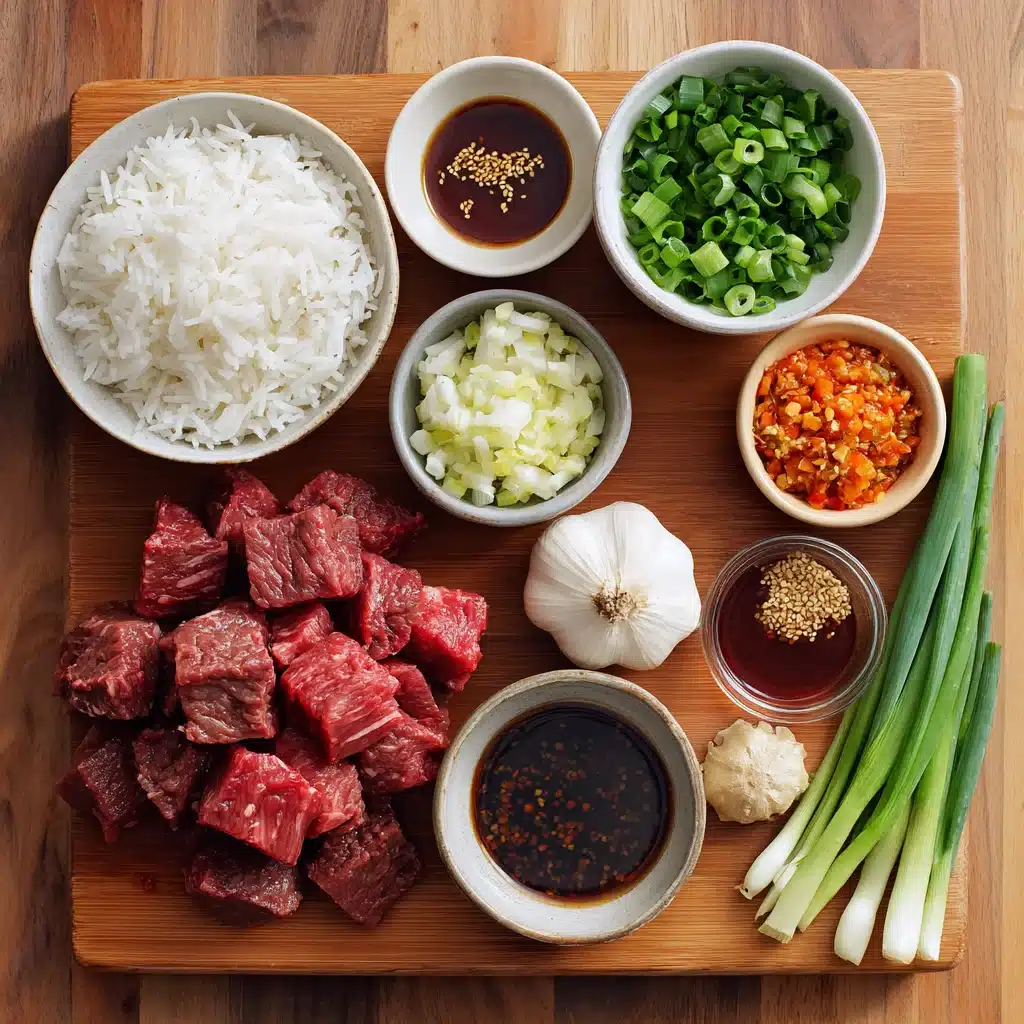
Creating this incredible Korean Beef Bowl requires a few key ingredients, most of which you probably already have in your pantry or can easily find at any grocery store. The magic truly happens with the marinade, transforming simple beef into an extraordinary meal.
| Category | Ingredient | Quantity |
|---|---|---|
| For the Beef & Marinade | Flank Steak or Sirloin | 1.5 lbs, thinly sliced against the grain |
| Soy Sauce (low sodium recommended) | 1/2 cup | |
| Brown Sugar (packed) | 1/4 cup | |
| Sesame Oil | 2 tbsp | |
| Minced Garlic | 4-5 cloves | |
| Fresh Ginger, grated | 1 tbsp | |
| Black Pepper | 1/2 tsp | |
| For Serving (Bowl Components) | Cooked White Rice (Jasmine or Calrose) | 4 cups |
| Carrots | 1 cup, julienned | |
| Spinach | 4 cups, fresh | |
| Cucumber | 1 cup, thinly sliced or julienned | |
| Green Onions | 2-3 stalks, sliced for garnish | |
| Toasted Sesame Seeds | For garnish |
Substitutions & Variations
One of the beautiful aspects of a Korean Beef Bowl is its inherent flexibility. You certainly have many options to tailor this dish to your taste, dietary needs, or what you simply have on hand. Don’t hesitate to get creative!
First, let’s talk about the protein. While flank steak provides fantastic flavor and texture, you can easily substitute it. Thinly sliced sirloin, ribeye, or even ground beef work wonderfully for this Korean Beef Bowl.
For poultry lovers, thinly sliced chicken breast or thighs make an excellent “Korean Chicken Bowl.” Moreover, you can transform this into a vegetarian or vegan delight by using firm or extra-firm tofu, tempeh, or even hearty mushrooms like portobello. Simply press the tofu well, cut it into desired shapes, and marinate it just as you would the beef. This maintains the amazing flavor of the Korean Beef Bowl.
Regarding vegetables, the possibilities are truly endless. Feel free to swap or add any of your favorites. Instead of spinach, try sautéed kale or bok choy.
Bell peppers (any color), zucchini, broccoli florets, or even snap peas all make fantastic additions to this Korean Beef Bowl. For a touch of heat, you can add thinly sliced radishes or a sprinkle of gochugaru (Korean chili powder) to the marinade. You can also make a quick pickled cucumber salad as a refreshing side.
If you prefer a different grain, quinoa, brown rice, or even cauliflower rice work perfectly as a base for your Korean Beef Bowl. For a richer flavor, you can add a touch of grated Asian pear or apple to the marinade.
This not only adds sweetness but also tenderizes the beef further. Finally, if you enjoy a spicy kick, a drizzle of sriracha or a spoonful of gochujang (Korean chili paste) directly into your bowl takes this Korean Beef Bowl to another level.
One of the beautiful aspects of a Korean Beef Bowl is its inherent flexibility. You certainly have many options to tailor this dish to your taste, dietary needs, or what you simply have on hand. Don’t hesitate to get creative! If you’re looking for a delicious twist, you might enjoy trying out a vibrant Creamy Gochujang Pasta that complements the bold flavors perfectly. Check it out here!
Step-by-Step Instructions
Note: This video is for demonstration purposes and may use a slightly different method.
Crafting your perfect Korean Beef Bowl is an enjoyable process, and I’ll walk you through each step. Follow these instructions carefully, and you’ll create a meal that truly impresses.
1. Prepare the Beef: First, slice your flank steak very thinly against the grain. This is crucial for tender beef.
You can par-freeze the steak for about 20-30 minutes; this makes slicing much easier. Aim for slices no more than 1/8-inch thick. Place the sliced beef into a large bowl.
2. Make the Marinade: In a separate medium bowl, combine the soy sauce, brown sugar, sesame oil, minced garlic, grated fresh ginger, and black pepper. Whisk these ingredients together until the brown sugar completely dissolves. Taste the marinade and adjust seasonings if necessary; you want a balance of sweet, salty, and savory.
3. Marinate the Beef: Pour the prepared marinade over the sliced beef in the large bowl. Use your hands to thoroughly mix, ensuring every piece of beef gets coated evenly.
Cover the bowl with plastic wrap and refrigerate for at least 30 minutes, but ideally for 2-4 hours. For maximum flavor, you can marinate it overnight. This extended marination ensures an intensely flavorful Korean Beef Bowl.
4. Prepare the Vegetables: While the beef marinates, prepare your vegetables. Julienne the carrots, thinly slice the cucumbers, and slice the green onions for garnish. Briefly sauté the fresh spinach in a hot pan with a tiny bit of sesame oil and a pinch of salt until just wilted, then set aside.
5. Cook the Korean Beef: Heat a large skillet or wok over medium-high heat. Add a tablespoon of neutral oil (like canola or vegetable oil).
Once the oil is shimmering, add the marinated beef in a single layer, working in batches if necessary to avoid overcrowding the pan. Overcrowding cools the pan and steams the meat instead of searing it, preventing those delicious caramelized edges for your Korean Beef Bowl. Cook for 2-3 minutes per side, until beautifully browned and cooked through.
The thin slices cook very quickly. Remove the cooked beef from the pan and set it aside. Repeat with any remaining beef.
6. Assemble Your Korean Beef Bowl: Now comes the fun part! Divide the cooked white rice among serving bowls.
Arrange generous portions of the cooked Korean beef over the rice. Artfully add your prepared vegetables: julienned carrots, sliced cucumbers, and wilted spinach.
7. Garnish and Serve: Finally, garnish each Korean Beef Bowl with freshly sliced green onions and a sprinkle of toasted sesame seeds. For those who love a little extra kick, offer sriracha or gochujang on the side. Serve immediately and savor every delicious bite of this homemade Korean Beef Bowl!
Pro Tips for Success
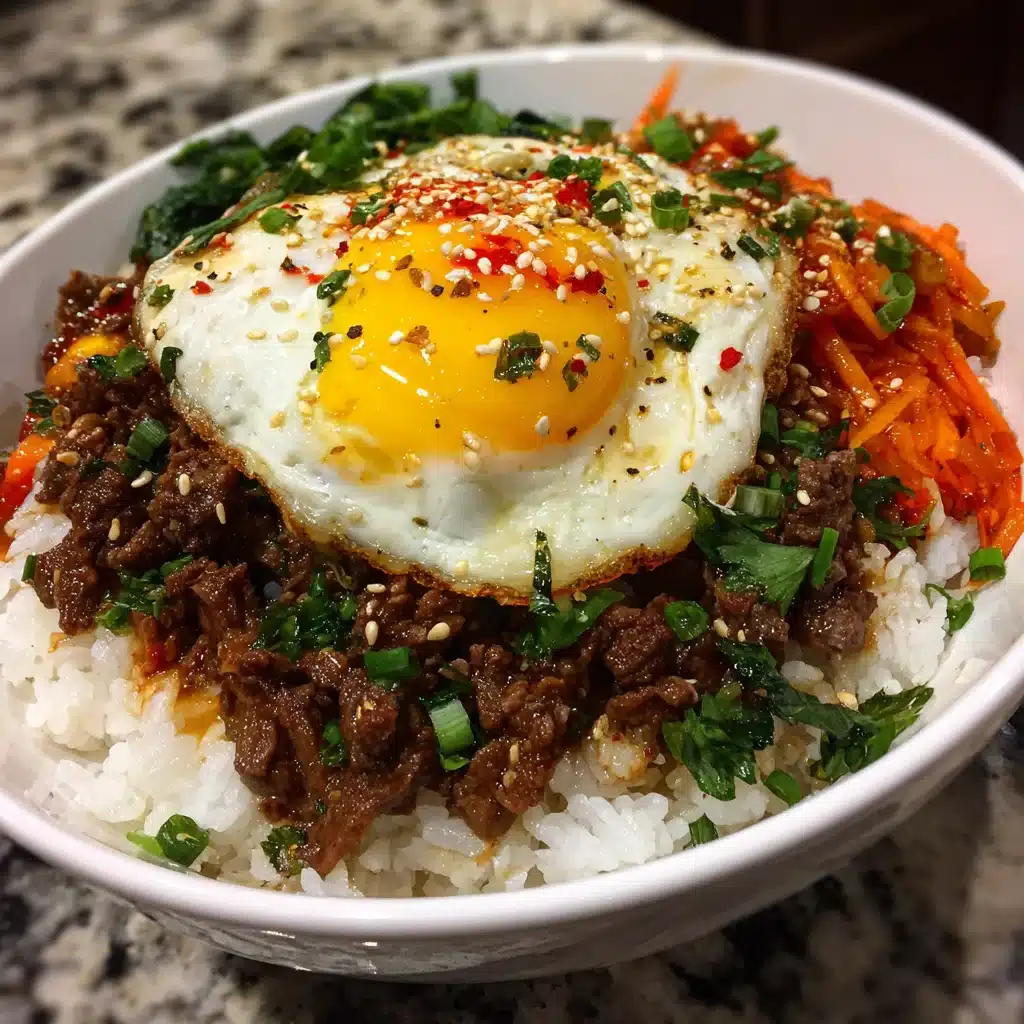
To elevate your Korean Beef Bowl from good to absolutely unforgettable, I have a few insider tips from my two decades in the kitchen. These small details genuinely make a significant difference.
First, slice the beef correctly. This is perhaps the most crucial step for tender beef. Always slice against the grain.
The “grain” refers to the direction of the muscle fibers. Cutting against it shortens these fibers, resulting in a much more tender chew. Furthermore, freezing the beef for about 20-30 minutes before slicing stiffens it just enough to make those ultra-thin, uniform slices much easier to achieve. This ensures every piece of beef in your Korean Beef Bowl cooks evenly and remains succulent.
Second, don’t skimp on marinating time. While 30 minutes certainly imparts some flavor, a longer soak—ideally 2-4 hours, or even overnight—allows the beef to fully absorb all those wonderful notes from the soy, garlic, ginger, and sesame. This deep penetration of flavor is what makes an exceptional Korean Beef Bowl. The longer the marinade, the more robust and tender your beef becomes.
Third, avoid overcrowding the pan when cooking the beef. This tip is non-negotiable for achieving that coveted caramelized exterior. When you add too much beef to the pan at once, the temperature drops rapidly.
Instead of searing, the beef steams in its own juices, resulting in grey, less flavorful meat. Cook in small batches, ensuring each piece has enough space to make direct contact with the hot surface. This creates those delicious browned edges that are a hallmark of a great Korean Beef Bowl.
Fourth, taste and adjust the marinade. Before adding the beef, taste a tiny bit of your marinade. Does it need more sweetness?
A bit more salt? A stronger ginger kick? Adjust according to your preference. Remember, the marinade is the foundation of flavor for your entire Korean Beef Bowl.
Finally, serve immediately. This Korean Beef Bowl is best enjoyed fresh off the stove. The beef is at its most tender and flavorful, and the vegetables are crisp.
While leftovers are certainly delicious, the experience of a freshly assembled Korean Beef Bowl is unparalleled. Enjoy it hot!
To elevate your Korean Beef Bowl from good to absolutely unforgettable, I have a few insider tips from my two decades in the kitchen. These small details genuinely make a significant difference, including how you slice your beef. For a delightful breakfast option after your Korean-inspired dinner, consider whipping up some Lemon Ricotta Pancakes with Berries to enjoy the next morning! You can find the recipe here!
Storage & Reheating Tips
You’ve prepared a magnificent Korean Beef Bowl, and it’s quite possible you’ll have some delectable leftovers. Storing and reheating them properly ensures you can enjoy this fantastic meal again without sacrificing flavor or texture.
Storage: First, allow any leftover Korean Beef Bowl components to cool completely to room temperature before storing them. This prevents condensation and helps maintain food safety. You can store the cooked beef separately from the rice and vegetables, or you can keep the fully assembled Korean Beef Bowl in an airtight container.
Refrigerate promptly within two hours of cooking. This Korean Beef Bowl will keep well in the refrigerator for up to 3-4 days. For longer storage, you can freeze the cooked beef in an airtight container or freezer bag for up to 2-3 months. I generally don’t recommend freezing the entire assembled Korean Beef Bowl, as the texture of the vegetables and rice can change upon thawing.
Reheating: When you’re ready to enjoy your Korean Beef Bowl again, several reheating methods work well.
Microwave: This is the quickest option for an assembled Korean Beef Bowl. Place your serving in a microwave-safe dish, add a tablespoon of water or broth (this helps keep the rice and beef moist), cover loosely, and heat on high for 1-2 minutes, stirring halfway through, until thoroughly hot. Be careful not to overcook, as this can dry out the beef.
Stovetop: For the best results, especially if reheating the beef separately, use a skillet. Heat a small amount of oil over medium heat, then add the cooked beef. Stir-fry for a few minutes until it’s heated through.
If you have leftover rice, you can also reheat it on the stovetop by adding a splash of water and covering it to steam. This method helps maintain the texture of the beef for your Korean Beef Bowl.
Oven: If reheating a larger batch of beef, spread it in a single layer on a baking sheet, cover with foil to prevent drying, and heat in a preheated oven at 275°F (135°C) for 10-15 minutes, or until warmed through. This method works well for keeping the beef tender for your Korean Beef Bowl.
Always ensure your Korean Beef Bowl leftovers are piping hot (165°F or 74°C) before consuming to ensure food safety.
What to Serve With This Recipe
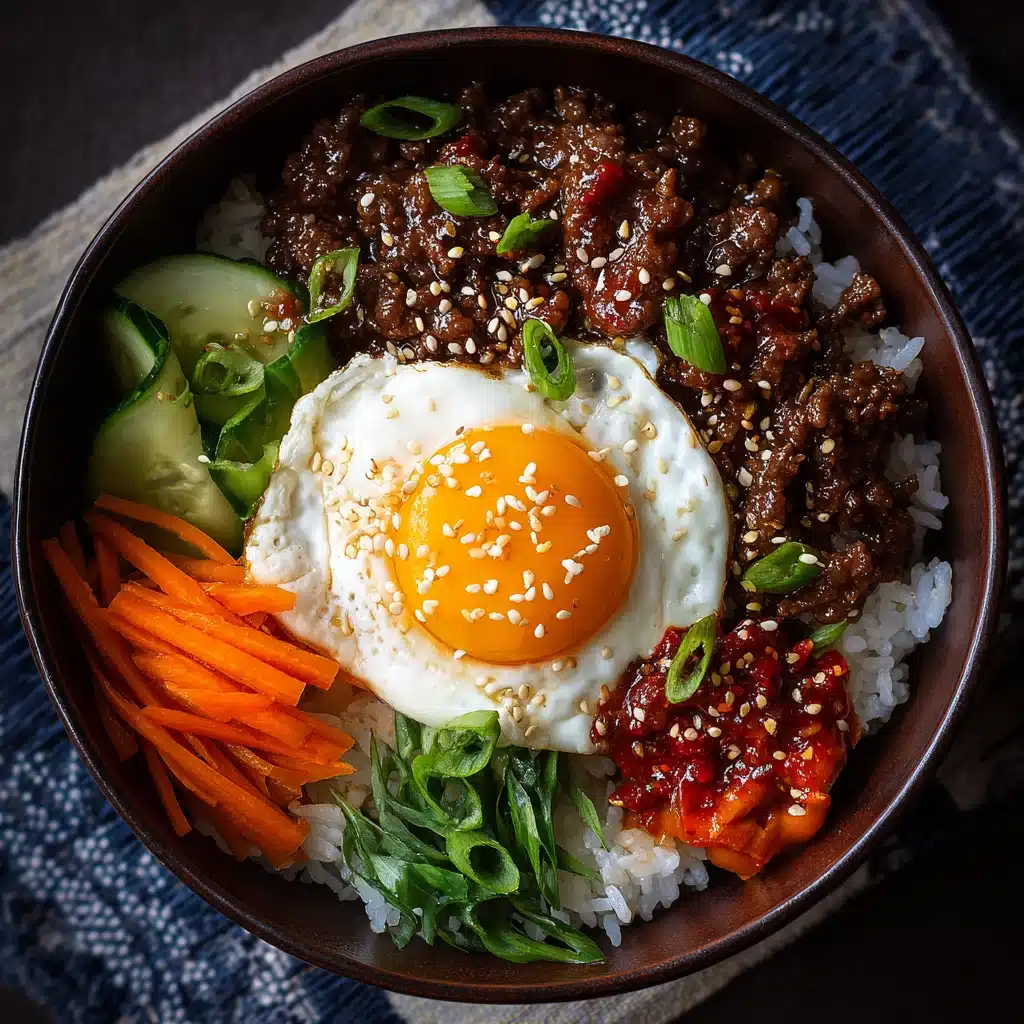
A Korean Beef Bowl is already a complete and satisfying meal on its own, packed with protein, carbs, and vegetables. However, to truly embrace the full experience and balance the flavors, you can certainly add some delightful side dishes. These accompaniments enhance the meal beautifully.
Kimchi: This is almost a non-negotiable in Korean cuisine! The fermented, spicy, and tangy cabbage offers a fantastic counterpoint to the savory and slightly sweet Korean Beef Bowl. Its probiotic benefits are a bonus too. A small dish of homemade or store-bought kimchi truly elevates the entire meal.
Quick Cucumber Salad (Oi Muchim): A refreshing, slightly tangy, and often spicy cucumber salad provides a crisp, cool contrast to the warm Korean Beef Bowl. Thinly sliced cucumbers tossed with rice vinegar, sesame oil, a touch of sugar, and perhaps a pinch of gochugaru or red pepper flakes are quick to make and incredibly invigorating.
Pickled Radishes (Danmuji or Ssam Mu): The bright yellow pickled radish offers a wonderful crunch and a sweet-tart flavor that cuts through the richness of the Korean Beef Bowl. You can find these at most Asian grocery stores. They are a staple for good reason.
Steamed or Blanched Vegetables: While the Korean Beef Bowl already contains some vegetables, you can always add more! Simple steamed broccoli, blanched asparagus, or sautéed bok choy dressed with a light sesame oil and garlic dressing make excellent, healthy additions.
Miso Soup: A light, savory bowl of miso soup can be a comforting start to your Korean Beef Bowl meal. It’s warm, soothing, and offers another layer of umami.
Fried Egg: For an extra luxurious touch, top your Korean Beef Bowl with a perfectly fried or sunny-side-up egg. The runny yolk mixes with the rice and beef, creating an even richer and more decadent experience. This is a common and beloved addition.
Any of these additions will round out your Korean Beef Bowl into an even more spectacular feast!
A Korean Beef Bowl is already a complete and satisfying meal on its own, packed with protein, carbs, and vegetables. However, to truly embrace the full experience and balance the flavors, you can certainly add some delightful side dishes. For a fantastic pairing, try serving it with Tuscan Chicken Pasta for a delightful contrast of flavors. Discover the recipe here!
FAQs
Can I make this Korean Beef Bowl ahead of time?
Absolutely! You can certainly prepare parts of your Korean Beef Bowl in advance. The beef can marinate in the refrigerator for up to 24 hours, which actually enhances the flavor and tenderness.
You can also chop all your vegetables ahead of time and store them in airtight containers in the fridge. Cooked rice keeps well in the refrigerator for a few days. Then, when you are ready to eat, simply cook the marinated beef and assemble your Korean Beef Bowl.
What kind of beef is best for a Korean Beef Bowl?
Flank steak or sirloin are excellent choices for this Korean Beef Bowl recipe because they slice thinly against the grain beautifully and absorb the marinade well. Ribeye also works if you prefer a richer flavor, though it’s typically more expensive. The key is to slice the beef very thinly for optimal tenderness and quick cooking, ensuring a perfect Korean Beef Bowl every time.
How can I make my Korean Beef Bowl spicier?
To add a kick to your Korean Beef Bowl, you have several options! You can include a teaspoon of gochugaru (Korean chili powder) in the marinade for a subtle, smoky heat. For a more direct spice, add a tablespoon of gochujang (Korean chili paste) to the marinade, or simply serve sriracha or extra gochujang on the side for individual customization. A sprinkle of red pepper flakes also works.
Is this Korean Beef Bowl recipe gluten-free?
As written, this Korean Beef Bowl recipe is not gluten-free because soy sauce typically contains wheat. However, you can easily make it gluten-free by substituting the regular soy sauce with a gluten-free tamari or coconut aminos. Ensure all other ingredients, like any sauces you add, are also certified gluten-free. This simple swap allows everyone to enjoy a delicious Korean Beef Bowl.
Can I grill the beef for this Korean Beef Bowl?
Yes, grilling the beef for your Korean Beef Bowl is a fantastic option, especially during warmer months! Marinate the beef as directed, then thread the thinly sliced pieces onto skewers (if desired) or grill them directly over medium-high heat for 1-2 minutes per side until cooked through and slightly charred. Grilling adds a wonderful smoky flavor to the Korean Beef Bowl.
What makes this Korean Beef Bowl so flavorful?
The incredible depth of flavor in this Korean Beef Bowl comes primarily from its marinade. The combination of savory soy sauce, sweet brown sugar, aromatic garlic and ginger, and nutty sesame oil creates a perfect balance of umami, sweet, and savory notes. Furthermore, the proper marinating time allows these flavors to penetrate the thinly sliced beef, resulting in tender, succulent, and highly flavorful meat that truly defines a great Korean Beef Bowl.
This popular dish, known for its marinated beef over rice, showcases the bold and savory elements of Korean cuisine that have gained global recognition. For a deeper dive into this delectable meal, check out more on Korean Beef Bowls.
Nutrition Information (per serving)
*(Estimated for 1 serving of beef and 1 cup of cooked rice, without additional vegetables or garnishes)*
| Nutrient | Amount |
|---|---|
| Calories | 450-550 kcal |
| Protein | 35-45 g |
| Fat | 15-25 g |
| Saturated Fat | 5-8 g |
| Carbohydrates | 45-55 g |
| Fiber | 1-3 g |
| Sodium | 800-1000 mg |
| Cholesterol | 80-100 mg |
Korean Beef Bowl

This easy Korean Beef Bowl recipe offers incredible depth of flavor with tender, marinated beef served over rice and topped with vibrant vegetables. It's a satisfying weeknight meal that is quick to prepare and customize.
- Prep Time: 20 mins
- Cook Time: 10 mins
- Total Time: 30 mins
- Yield: 4 servings
- Category: Dinner
- Method: Stovetop
- Cuisine: Korean
- Diet: Gluten Free (with tamari or coconut aminos)
Ingredients
1.5 lbs Flank Steak, thinly sliced against the grai
1/2 cup Soy Sauce (low sodium recommended)
1/4 cup Brown Sugar, packed
2 tbsp Sesame Oil
4-5 cloves Minced Garlic
1 tbsp Fresh Ginger, grated
1/2 tsp Black Pepper
4 cups Cooked White Rice (Jasmine or Calrose)
1 cup Carrots, julienned
4 cups Spinach, fresh
1 cup Cucumber, thinly sliced or julienned
2-3 stalks Green Onions, sliced for garnish
Toasted Sesame Seeds, for garnish
Instructions
- Prepare the Beef: Slice the flank steak very thinly against the grain and place it in a large bowl
- Make the Marinade: In a separate medium bowl, combine soy sauce, brown sugar, sesame oil, minced garlic, grated ginger, and black pepper. Whisk until brown sugar dissolves
- Marinate the Beef: Pour marinade over beef, mix well, cover, and refrigerate for at least 30 minutes, ideally 2-4 hours
- Prepare the Vegetables: Julienne carrots, slice cucumbers and green onions, and sauté spinach briefly in sesame oil
- Cook the Korean Beef: Heat a skillet over medium-high heat, add oil, and cook the marinated beef in batches until browned and cooked through
- Assemble Your Korean Beef Bowl: Divide cooked rice among bowls, add cooked beef, and arrange vegetables on top
- Garnish and Serve: Top with green onions and sesame seeds, and serve immediately
Notes
For spice, consider adding gochujang or sriracha.
Store leftovers in airtight containers and consume within 3-4 days.